


From Scholar to Nation Builder: The Research That Shaped Development
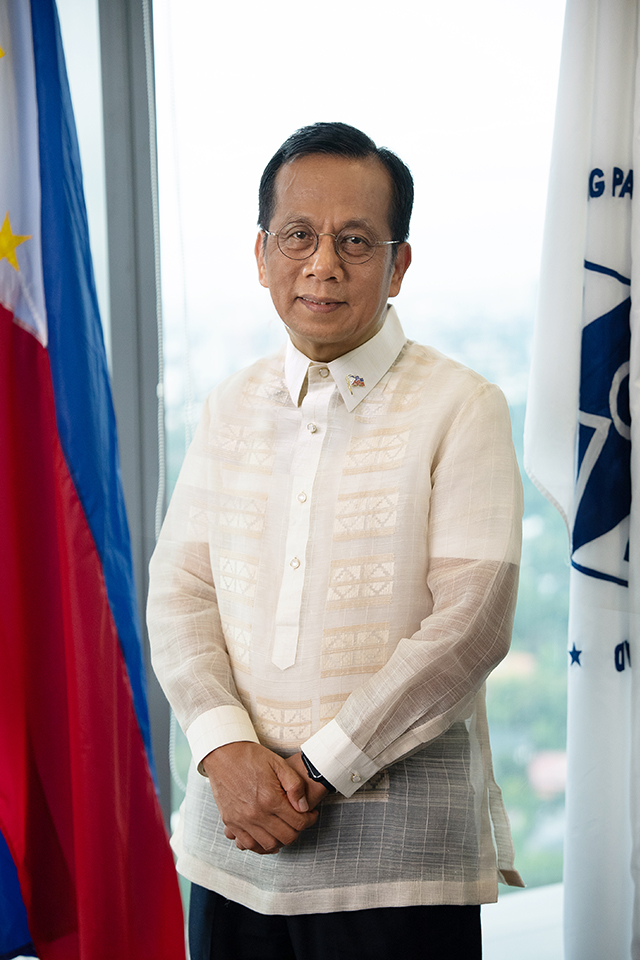 Dr. Arsenio M. Balisacan
M.Sc. in Agricultural Economics
University of the Philippines Los Baños, 1982For some scholars, research finds its home in journals and classrooms. For Dr. Arsenio M. Balisacan, it became a catalyst for transforming lives, shaping national policy, and advancing inclusive development across the Philippines and Southeast Asia.
A distinguished development economist, Dr. Balisacan has built a distinguished career at the intersection of scholarship and public service. His journey began as a SEARCA graduate scholar at the University of the Philippines Los Baños, where he developed a deep interest in the underlying causes of poverty, inequality, and uneven development. That early pursuit would shape a lifetime of work guided by a fundamental question: How can economic progress create better opportunities for more people?
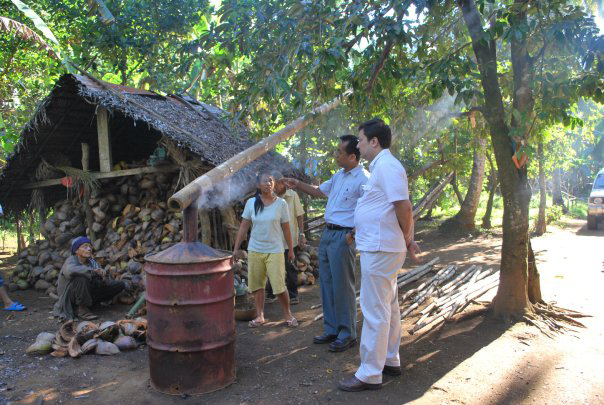 Dr. Balisacan's research looked beyond national averages and headline economic indicators to uncover the realities shaping people's lives and livelihoods. By examining the local conditions and structural factors underlying poverty and inequality, he shed light on the persistent challenges of rural poverty and uneven development. His work helped policymakers understand not only who was being left behind, but also why disparities persisted and where targeted interventions could make the greatest difference. In doing so, he helped translate economic research into actionable insights for more responsive policies and inclusive development.
His research revealed how structural barriers, including limited access to education, infrastructure, technology, and markets, could perpetuate poverty and deepen regional disparities. More importantly, he demonstrated that economic growth alone does not guarantee inclusive development. For growth to be truly transformative, people must have the opportunities, resources and capabilities to participate meaningfully in the economy and share in its benefits.
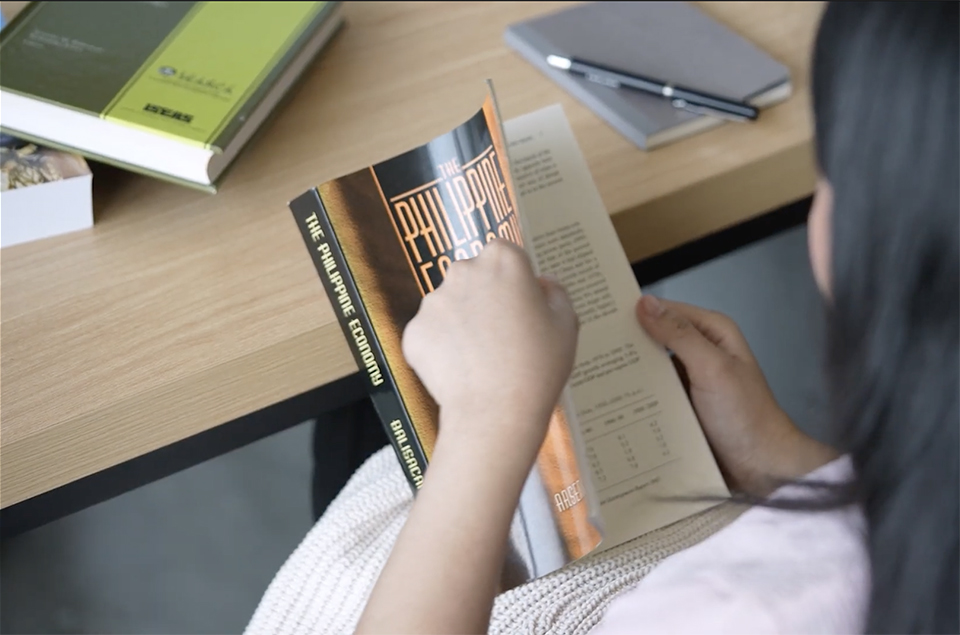 Through influential publications on The Philippine Economy: Development, Policies, and Challenges and The Dynamics of Regional Development, alongside numerous landmark journal articles, Dr. Balisacan helped shape development discourse in the Philippines and beyond. His evidence-based analyses of agricultural transformation, rural development, poverty reduction, and regional disparities have informed the work of policymakers, development practitioners, and researchers across Southeast Asia.
For Dr. Balisacan, however, knowledge was never meant to remain on paper.
His most distinctive contribution lies in his ability to bridge the worlds of research and public service. Throughout his career, he brought academic insights into the institutions where decisions are made, translating evidence into policies, reforms and development strategies with far-reaching implications for the country.
As former Director-General of the National Economic and Development Authority (NEDA), founding Chairperson of the Philippine Competition Commission, and subsequently the first Secretary of the Philippine Department of Economy, Planning, and Development, he brought the rigor of economic research to the forefront of public policymaking.
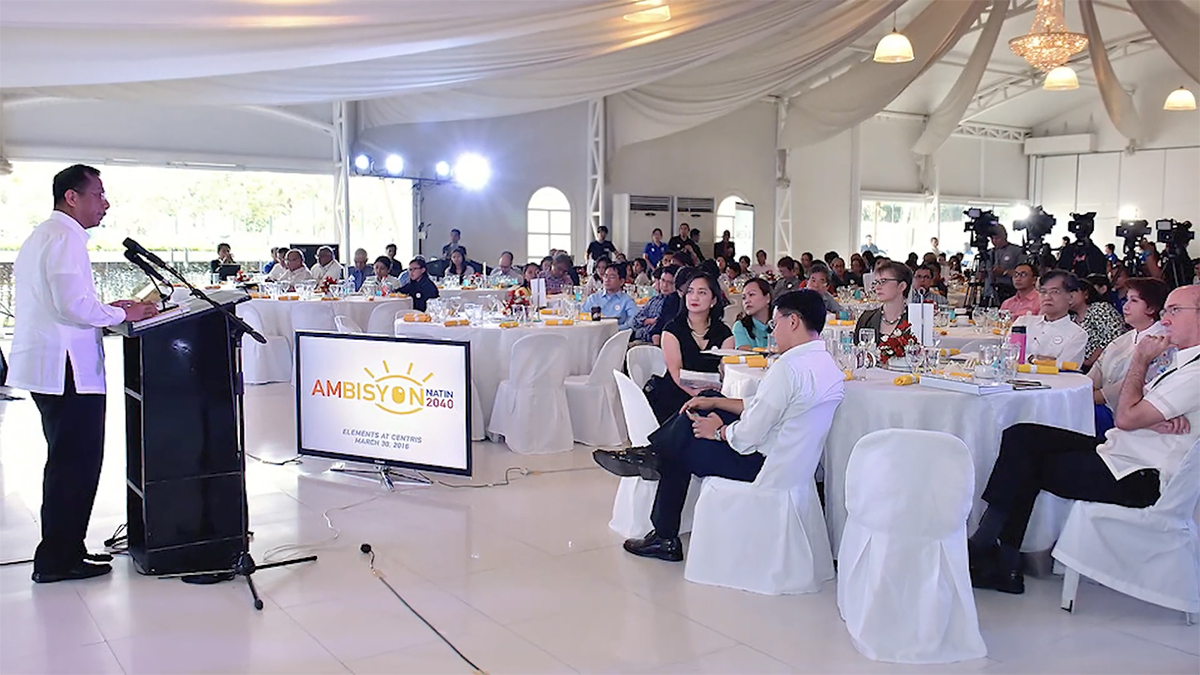 His leadership helped advance long-term development planning, strengthen competition policy, modernize agriculture, and promote poverty reduction. Among the significant milestones associated with his tenure at NEDA was the institutionalization of AmBisyon Natin 2040, the Philippines' long-term development vision, which articulates the aspirations of Filipinos for a strongly-rooted, comfortable and secure future (Matatag, Maginhawa at Panatag). It provides a long-term framework for aligning national development priorities and policies across successive administrations.
Yet behind these national contributions is a journey that began far from the halls of government.
From his humble beginnings in Ilocos Norte, Philippines, Dr. Balisacan rose through the transformative power of education and scholarship to become a respected voice in development economics in Asia. His journey underscores how educational opportunities can nurture talent, expand horizons, and empower individuals to contribute meaningfully to society. It also demonstrates what becomes possible when knowledge is placed in the service of society.
His career embodies the ideals that SEARCA champions: scholarship that builds capacity, research that generates practical solutions, and leadership that translates knowledge into meaningful change. It illustrates how investments in education and research can extend far beyond individual achievement to inform public policy, strengthen institutions and improve lives.
Dr. Balisacan's story reminds us that the value of research lies not only in its ability to explain the challenges societies face, but also in its potential to help address them. When evidence informs policy, scholarship can shape institutions and influence the course of development. When knowledge is guided by purpose and a commitment to the public good, it can expand opportunities, reduce disparities and help build a more inclusive future.
This is the enduring significance of Dr. Arsenio M. Balisacan's work as the Outstanding SEARCA Scholarship Alumni Awardee in Research. Through a career marked by intellectual rigor, distinguished public service, and a steadfast commitment to inclusive development, he exemplifies how scholarship can transcend academic boundaries to inform policy, strengthen institutions, and help build a more inclusive and prosperous future for the Philippines and the wider region.
(All photos are courtesy of DEPDev)
From University Leader to Community Builder: Empowering Villages, Transforming Lives
 Dr. Weerapon Thongma
Ph.D. in Extension Education
University of the Philippines Los Baños, 2000For Dr. Weerapon Thongma, community development begins with a simple principle: listen first, empower second.
As President of Maejo University, Dr. Weerapon has dedicated much of his work to rural communities in Northern Thailand, helping people recognize and build upon the value of their own knowledge, culture, and resources. Rather than bringing ready-made solutions, he works alongside communities, empowering them to identify opportunities, shape solutions, and become architects of their own future.
In villages such as Mae Soon Noi, communities that once relied largely on agriculture have developed successful community-based agrotourism enterprises. Through capacity-building, mentorship, and partnerships, local families have created additional sources of income through homestays, handicrafts, agricultural products, and cultural tourism. Yet the transformation extends beyond livelihoods. Community members have gained renewed confidence, strengthened social connections, and a deeper sense of pride in their heritage.
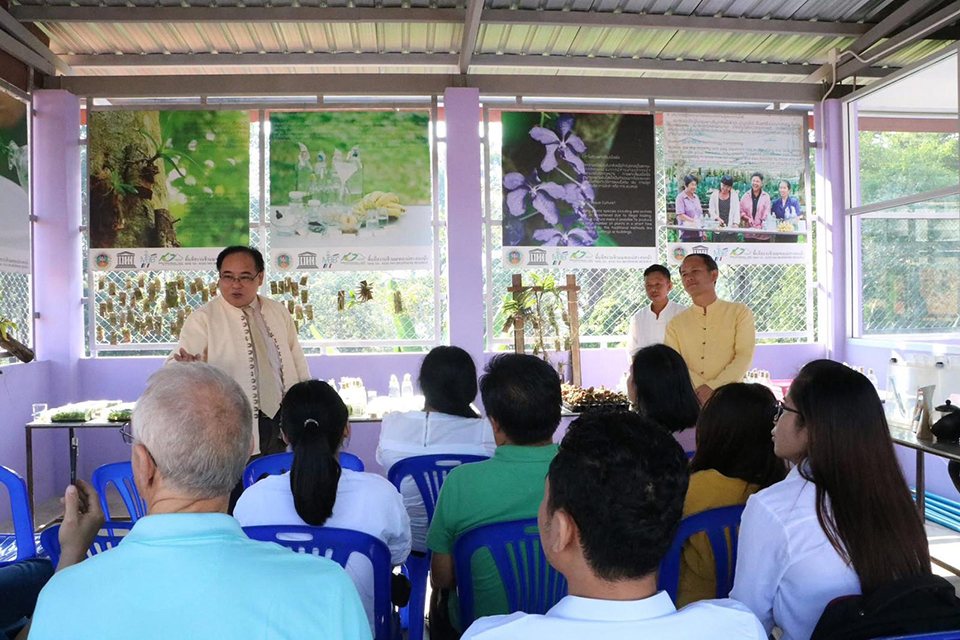 Dr. Weerapon with Pongkrai community in Maerim District, ThailandDr. Weerapon's commitment to community empowerment extends further. In Ban Hua Thung, he supported initiatives in renewable energy, community enterprise development, and sustainable technologies. These efforts have helped residents reduce costs, protect the environment, strengthen local enterprises, and connect their products with wider markets. More importantly, his people-centered approach has earned the trust of communities that regard him not simply as an academic or development partner, but as part of their own community and family.
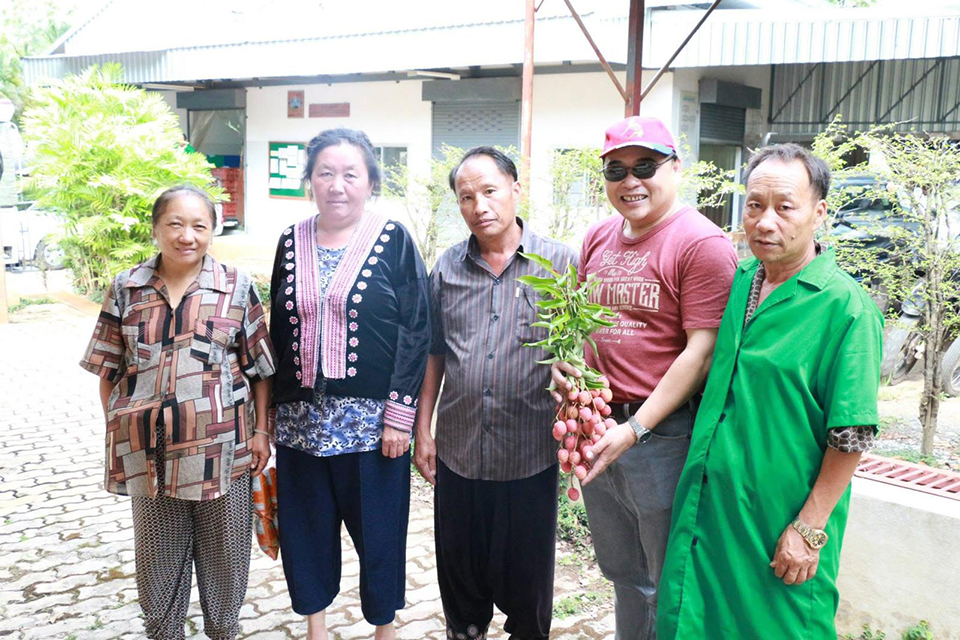 Dr. Weerapon with Maesa Mai community in Maerim District, ThailandAs an academic leader, Dr. Weerapon has consistently bridged the university and society, mobilizing resources during times of crisis, advancing community-centered innovation, and translating knowledge into practical solutions. He also championed the institutionalization of the Intelligent Wellbeing Agriculture (IWA) Framework, integrating agriculture, health, environment, economy, and community well-being into a holistic approach to sustainable development.
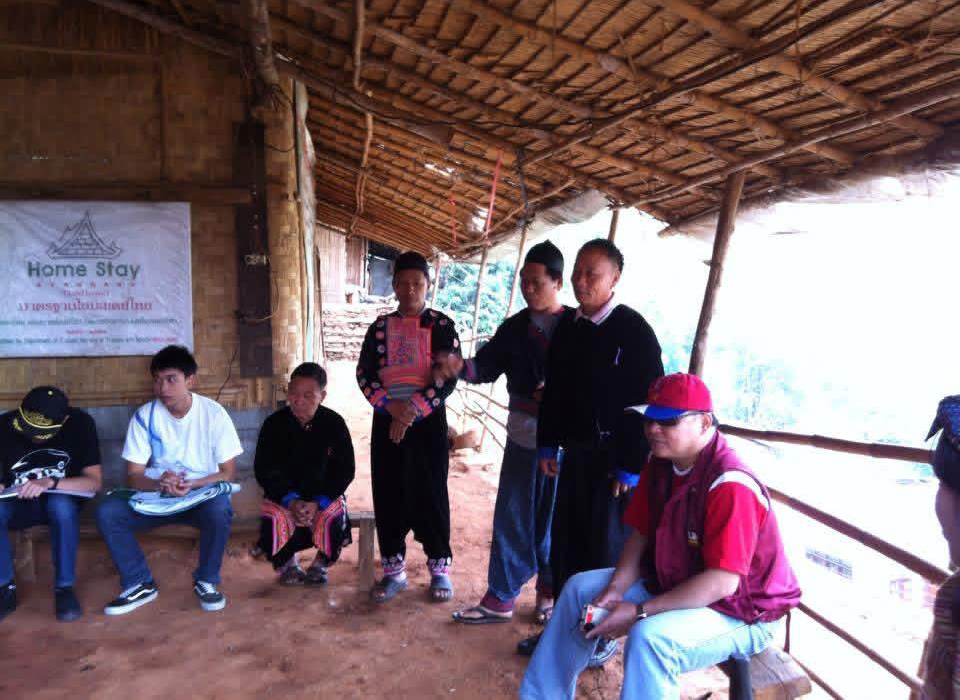 Dr. Weerapon with Hmong Tribe, homestay owners.For Dr. Weerapon, the true measure of development is not the number of projects completed, but the capacity of communities to continue thriving long after external support has ended. His work demonstrates that lasting change begins with trust, believing in people, investing in their capabilities, and creating opportunities for them to lead their own progress.
Through humility, partnership, and decades of dedicated service, Dr. Weerapon Thongma has helped transform communities from beneficiaries of development into active partners and agents of change. His legacy is reflected not only in stronger livelihoods and innovative community enterprises, but in people who have gained the confidence and capacity to shape their own future.
For this enduring contribution to public service and community development, Dr. Weerapon Thongma is a deserving recipient of the Outstanding SEARCA Scholarship Alumni (OSSA) Award.
(All photos are courtesy of Maejo University)
Beyond the Classroom: How One Educator Changed Generations
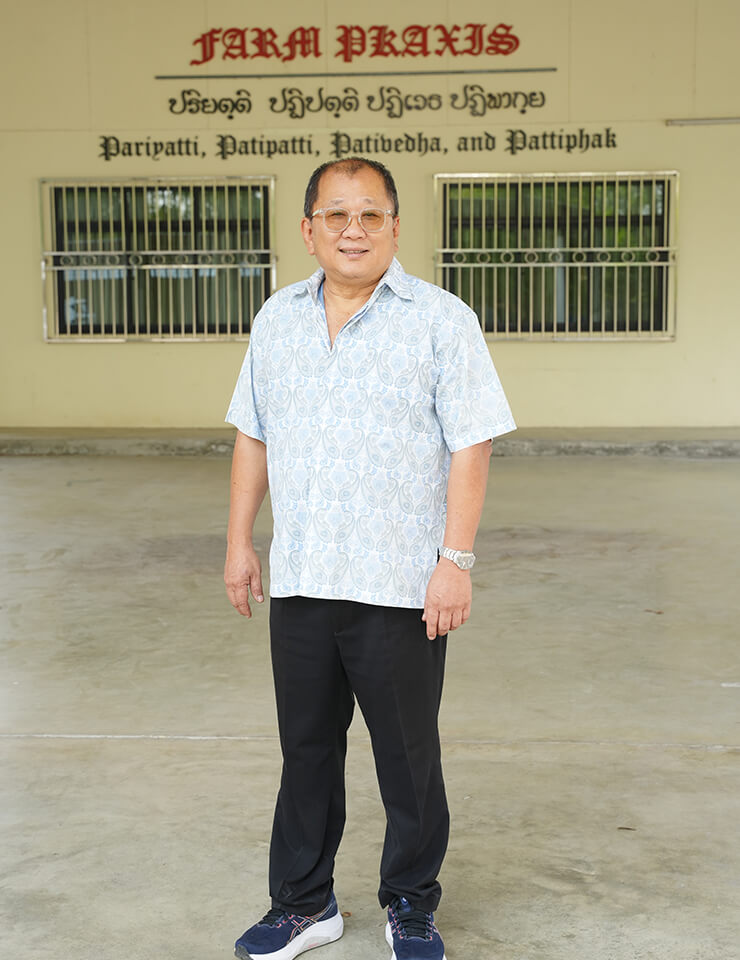 Dr. Prasong Tanpichai
Ph.D. in Agricultural Education
University of the Philippines Los Baños, 1998Some teachers impart knowledge. Others inspire change. And a few leave a lasting legacy by shaping generations.
For more than three decades, Assoc. Prof. Dr. Prasong Tanpichai has gone beyond teaching. He has nurtured generations of students, researchers, educators, and community leaders who continue to make a difference across Thailand and beyond.
At the heart of his work is a simple yet powerful belief: learning should not end in the classroom. Through his pioneering Farm Praxis philosophy, Dr. Prasong bridges theory and practice, guiding students through a cycle of learning, doing, reflecting, and sharing. This approach transforms learners from passive recipients of knowledge into active problem-solvers and agents of change.
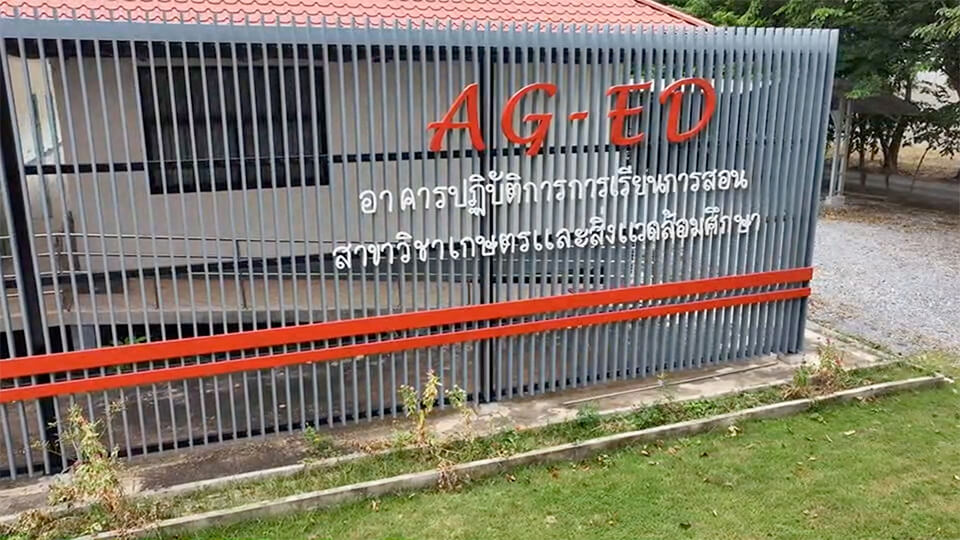 Agricultural Education building inside Educational FarmHis vision started in the Educational Farm at Kasetsart University-Kamphaeng Saen Campus, a living laboratory where students experience the agricultural value chain, from production and processing to marketing and entrepreneurship. More than a training ground, the Educational Farm gives future leaders the skills, confidence, and mindset to address real-world challenges.
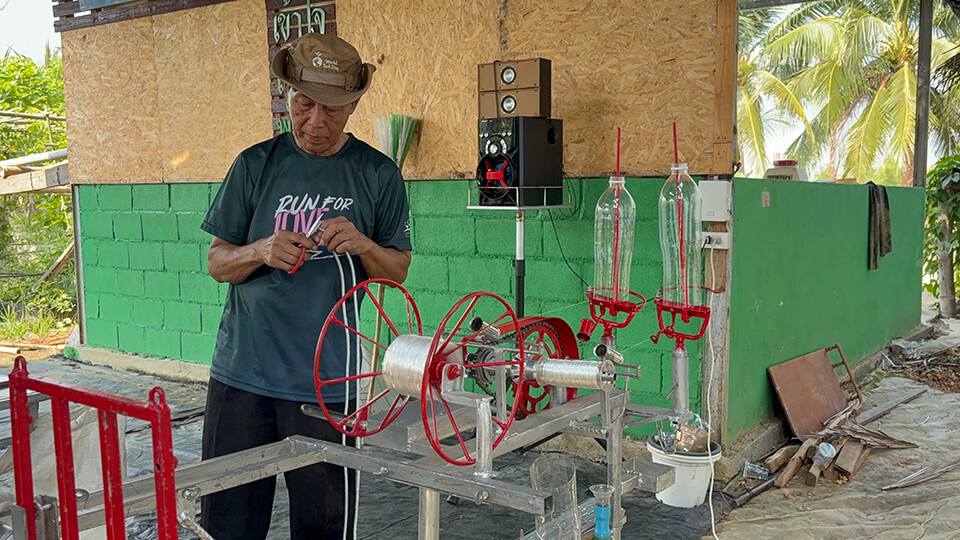 Community member creating small innovationsBut Dr. Prasong's impact extends far beyond the university. Working alongside communities, he has helped establish community banks, strengthen local agricultural systems, improve food safety, and create sustainable livelihood opportunities. Rather than simply providing answers, he empowers communities to understand their challenges, develop solutions, and shape their own futures.
For his former students, Dr. Prasong is more than a professor. He is a mentor, role model, and lifelong source of inspiration. Many of those he has guided now serve as faculty members, researchers, administrators, and community development professionals, carrying forward the values of learning, service, and innovation that he instilled in them.
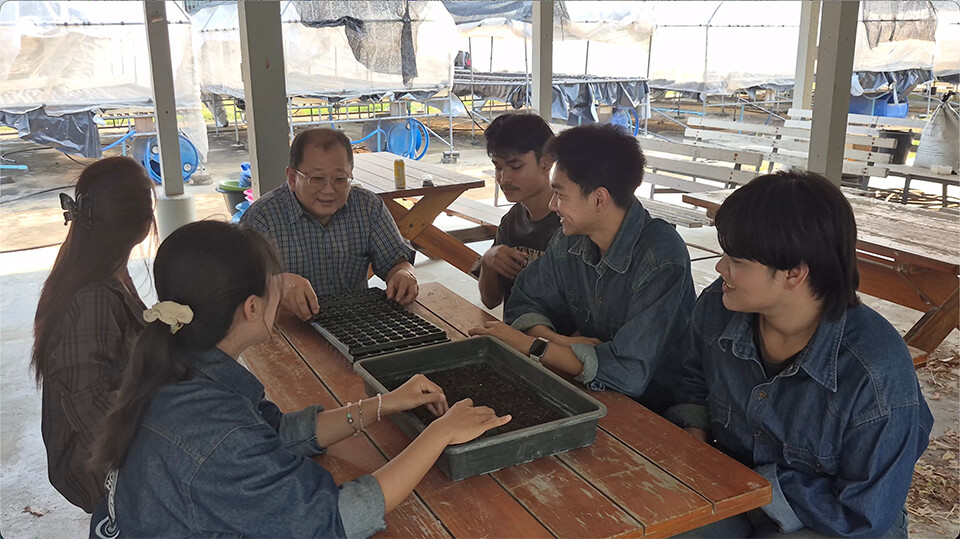 Dr. Prasong with the studentsDr. Prasong's enduring contributions to experiential learning, mentorship, and sustainable community development exemplify teaching excellence that reaches far beyond the classroom. His legacy lives not only in what he has taught, but in the people he has inspired and the communities they continue to serve.
For this lasting impact, Assoc. Prof. Dr. Prasong Tanpichai is a deserving Outstanding SEARCA Scholarship Alumni Awardee for Teaching.
(All photos are courtesy of KU)
From Scholar to Change-Maker: How Dr. Asikin Yoeu Transforms Agriculture in Cambodia
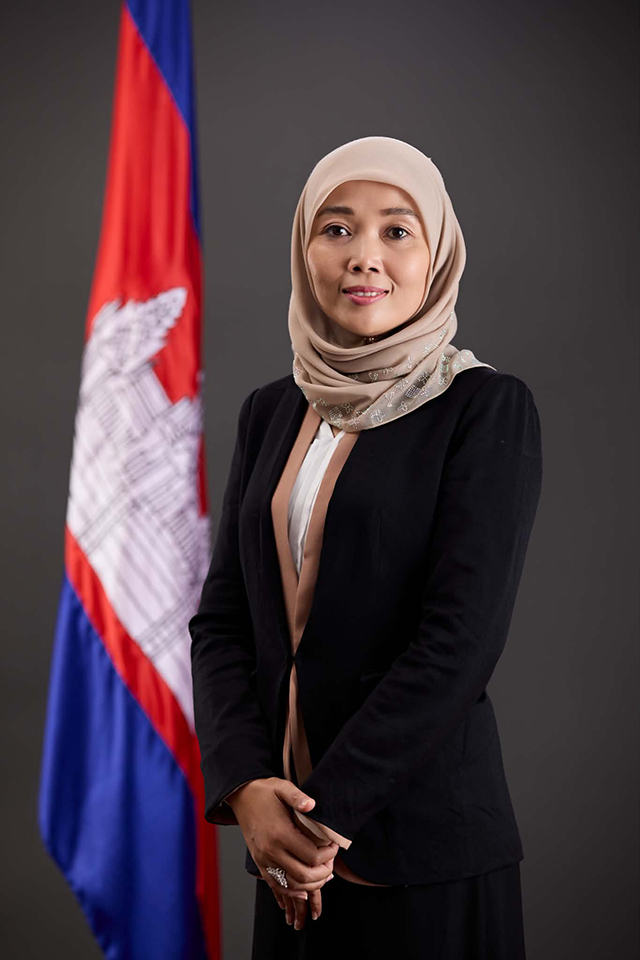 Dr. Asikin Yoeu
M.Sc. in Agricultural Economics
University of the Philippines Los Baños, 2010As a young professional stepping into leadership, Dr. Asikin Yoeu faced the uncertainties that often come with taking on new responsibilities. Rather than being discouraged, she chose to listen, learn, and let her work speak for itself. Today, she stands among Cambodia's leading advocates for sustainable agriculture, serving as Under Secretary of State at the Ministry of Agriculture, Forestry and Fisheries, where she contributes to policies and initiatives that directly benefit farmers and rural communities.
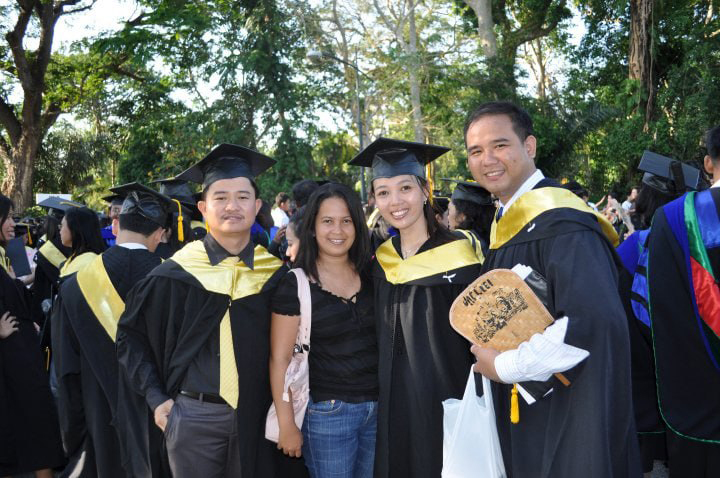 Dr. Asikin's commencement exercisesHer journey reflects the transformative power of education, perseverance, and service. As a SEARCA scholar at the University of the Philippines Los Baños, Dr. Asikin deepened her technical expertise while developing the skills to engage diverse stakeholders, build partnerships, and work across cultures. These experiences became a strong foundation for her career in agricultural development and public service.
Among her most significant contributions is her leadership in establishing the Cambodia Conservation Agriculture and Sustainable Intensification Consortium (CASIC), a national platform that brings together government agencies, universities, development organizations, civil society, and the private sector. Through CASIC, previously fragmented initiatives have been brought together into more coordinated efforts that advance sustainable farming, foster innovation, and expand market opportunities for farmers.
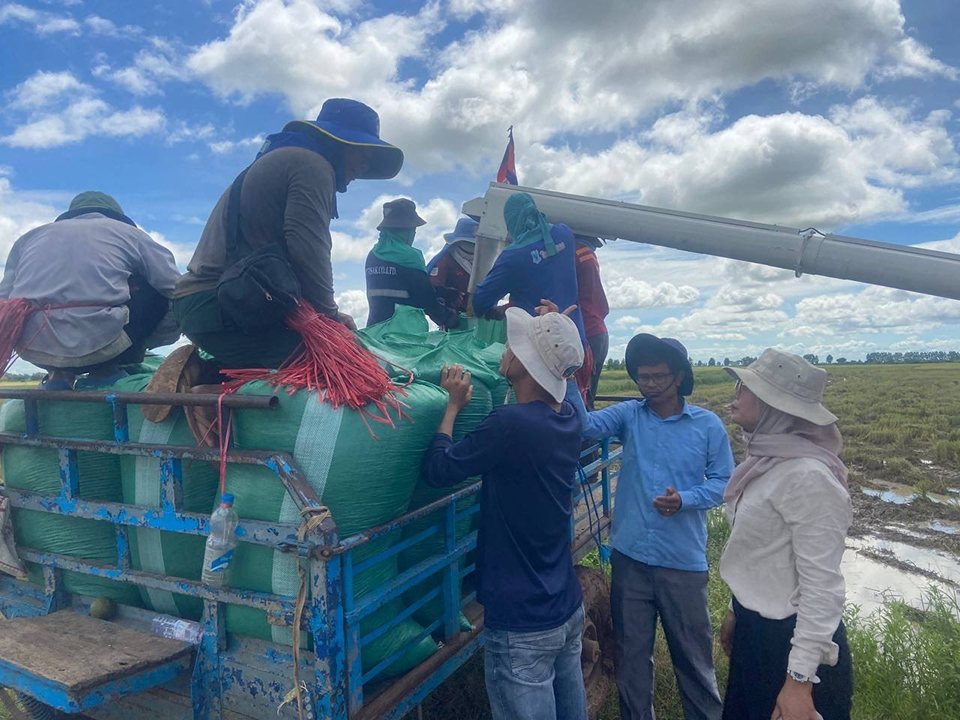 Dr. Asikin with the farmersThrough CASIC-supported initiatives, farmers have adopted conservation agriculture practices that have contributed to improved soil health, reduced production costs, and increased productivity. By strengthening partnerships and creating pathways for innovation, Dr. Asikin has helped turn agricultural development from policy into practical solutions that improve rural livelihoods.
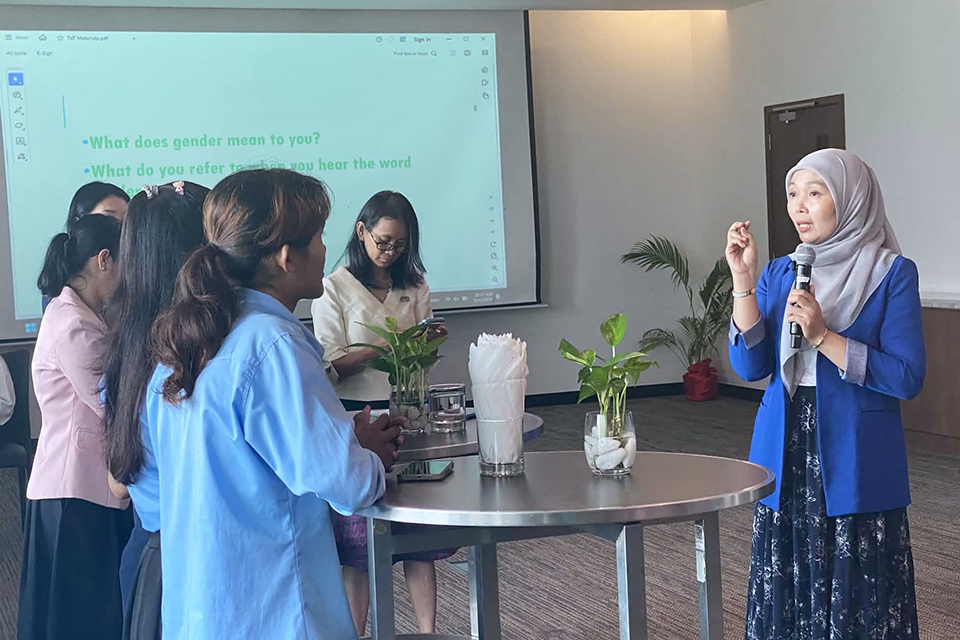 Dr. Asikin with the studentsHer commitment to service also extends beyond policy and program development. Through her continued involvement with the Royal University of Agriculture, she mentors the next generation of agricultural leaders while advancing advocacy for gender equity and good governance. Colleagues recognize her as collaborative, strategic, and deeply committed to making agricultural systems more responsive to the needs of people and communities.
Through visionary leadership, dedication to public service, and steadfast commitment to farmers, Dr. Asikin Yoeu exemplifies the values of the Outstanding SEARCA Scholarship Alumni Award in Public Service and Community Development, demonstrating how education can be transformed into meaningful action, and how one scholar can help create lasting change for agriculture and society.
(All photos are courtesy of Dr. Nguon Samnang)