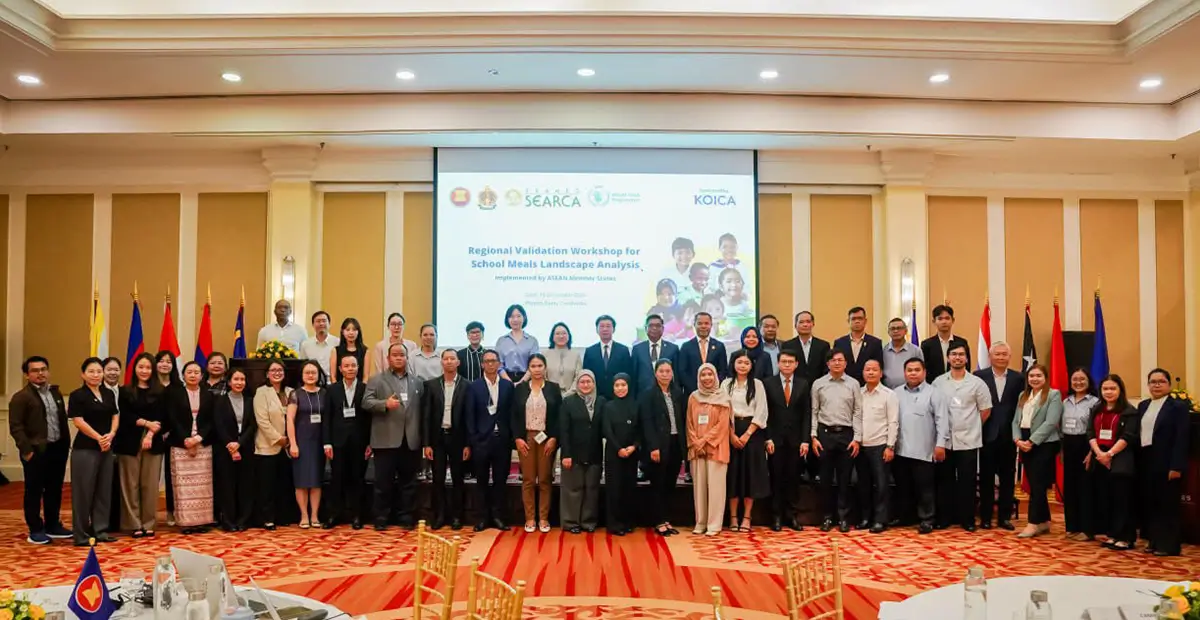
 H.E. Dr. Oung Borat (center), MoEYS Cambodia Secretary of State, with stakeholders and partners during the Regional Validation Workshop for School Meals Landscape Analysis. (Photo courtesy of MoEYS Cambodia)
PHNOM PENH, Cambodia— The Southeast Asian Regional Center for Graduate Study and Research in Agriculture (SEARCA) and the World Food Programme (WFP) convened a regional workshop on 19-20 October 2026 to validate a landscape analysis of school meal programs across Southeast Asia and identify priorities for an ASEAN regional action roadmap.
The workshop aimed to strengthen child nutrition, education, and food systems through greater ASEAN cooperation on sustainable school meal programs.
The workshop brought together a diverse group of 72 distinguished participants in an interactive hybrid event with 24 virtual attendees and 48 in-person delegates. Researchers from ASEAN Member States joined high-level representatives from WFP, the Government of the Kingdom of Cambodia, the Korea International Cooperation Agency (KOICA), and the ASEAN Secretariat to review national experiences and identify opportunities for regional collaboration.
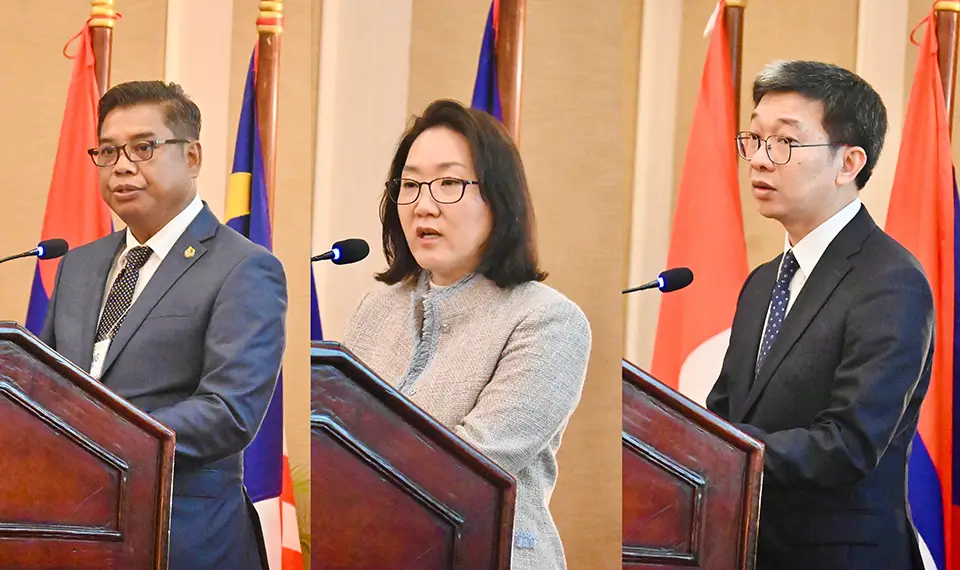 From left: Mr. Soung Savath, Cambodia's Alternate Leader to the ASEAN Senior Officials Meeting on Education (SOM-ED); Ms. Kyung-nan Park, WFP Representative and Country Director in Cambodia; and H.E. Dr. Oung Borat, Secretary of State at the Ministry of Education, Youth and Sport, during the workshop's opening session.
Investing in human capital
Opening the session, Mr. Soung Savath, Cambodia's Alternate Leader to the ASEAN Senior Officials Meeting on Education (SOM-ED), underscored school meals as strategic long-term investments in human capital, child health, and regional economic stability. He outlined the workshop's two primary objectives: to validate the landscape analysis and to collaboratively develop a flexible regional action plan that accommodates distinct national contexts, promotes the exchange of best practices to support sustainable, nationally financed school meals programs through continued multilateral cooperation.
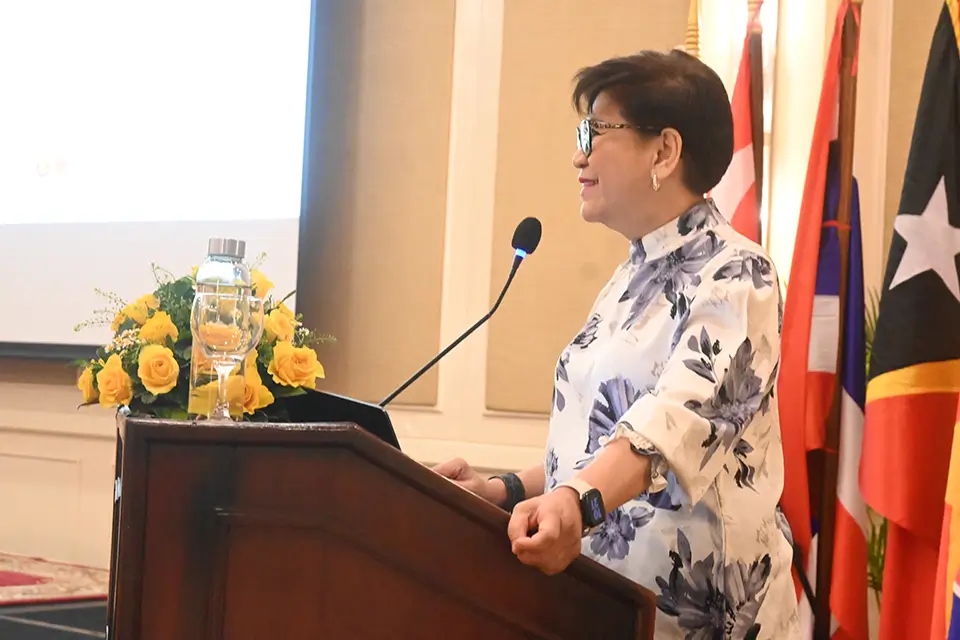
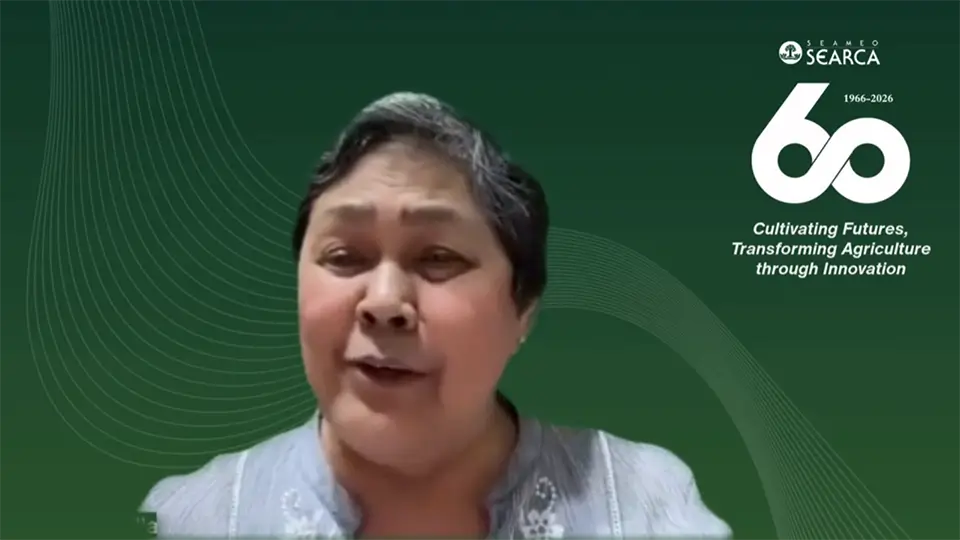 Dr. Mercedita Sombilla, SEARCA Center Director, delivers her welcome remarks.
Dr. Mercedita Sombilla, SEARCA Center Director, emphasized the significant link between child development and agricultural food systems. She urged delegates to critically assess the preliminary findings and share innovations across countries to ensure the analysis accurately reflects the region's diverse realities.
Echoing this call for an actionable strategy, Ms. Kyung-nan Park, WFP Representative and Country Director in Cambodia, urged participants to move beyond data validation toward developing a comprehensive roadmap. She emphasized using shared evidence to address common challenges and improve children's access to nutritious food and quality education.
H.E. Dr. Oung Borat, Secretary of State at Cambodia's Ministry of Education, Youth and Sport, highlighted the role of school feeding programs in improving educational outcomes and reducing poverty. He called for stronger regional collaboration to institutionalize sustainable, nationally owned school meal programs across the ASEAN region.
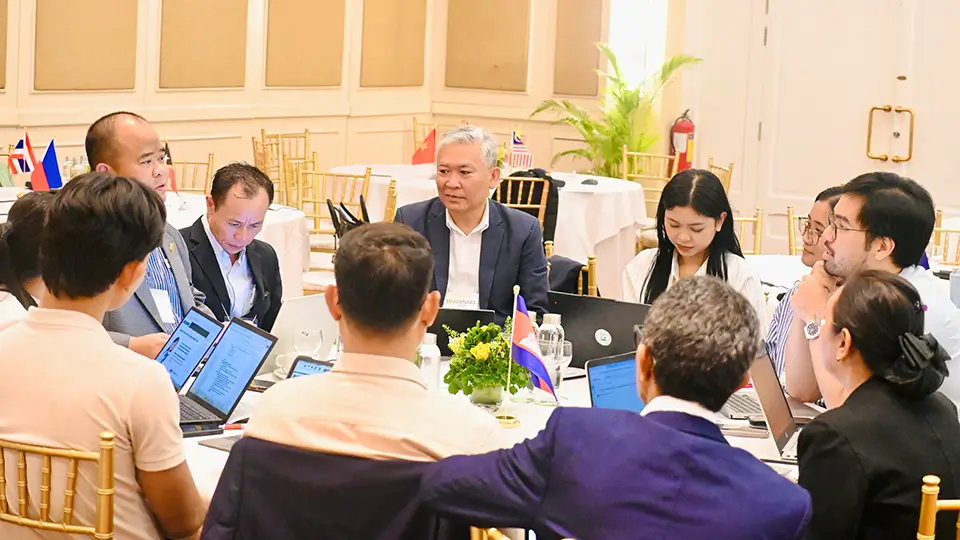 Delegates from ASEAN Member States who are experts in education, nutrition, and policy analyze national school meal data and cross-border procurement strategies during a workshop breakout session in Phnom Penh, Cambodia.
Validating findings and identifying solutions
The workshop began with a review of global and regional findings, focusing on how national policies align with proposed minimum standards for food and nutrition security. Participants examined their respective country profiles to verify the accuracy and relevance of the analysis.
In thematic breakout sessions, delegates validated cross-country syntheses and identified transboundary implementation challenges. Discussions generated pragmatic recommendations on financing, local procurement, climate resilience, and digital innovation. A concluding plenary synthesis consolidated the recommendations into priorities for a regional strategy.
Roadmapping regional policy
 Dr. Imelda Angeles-Agdeppa, Project Leader of the School Meals Project, facilitates the development of the regional action roadmap for school meals across ASEAN.
Building on the first day's work, participants devoted the second day to consolidating the recommendations crafted on the first day into a draft Regional Action Roadmap for school meals.
Engagement with the Health and Education Divisions of the ASEAN Secretariat helped identify clear institutional entry points, strengthen linkages across sections, and mapped the formal pathways for integrating the proposed roadmap into regional policy processes.
Ultimately, this convergence of expertise went beyond a standard technical review; it reflected a shared commitment to improving the well-being of children across Southeast Asia. By identifying strategic priorities and outlining concrete action plans, the participants laid the groundwork for sustainable school feeding programs that do more than alleviate hunger. They advanced a shared vision in which equitable access to health care, nutrition, and education supports sustainable development, keeping children's well-being at the center of Southeast Asia's pursuit of a more secure and prosperous future.