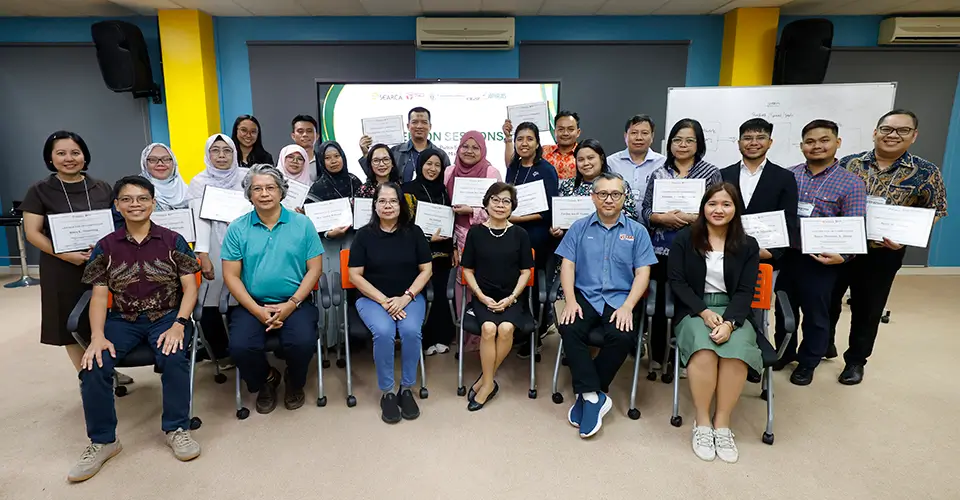
Addressing the complex challenges facing Southeast Asia's agriculture sector will require more than new technologies or scientific breakthroughs. It will require stronger agricultural innovation systems (AIS), ones that are capable of fostering collaboration, accelerating innovation, and supporting sustainable agricultural transformation amid dynamic global conditions.
This was the central message of the 2026 Training Workshop on Transformational Agricultural Innovation Systems (TrAInS) for the New Future, organized by the Southeast Asian Regional Center for Graduate Study and Research in Agriculture (SEARCA).
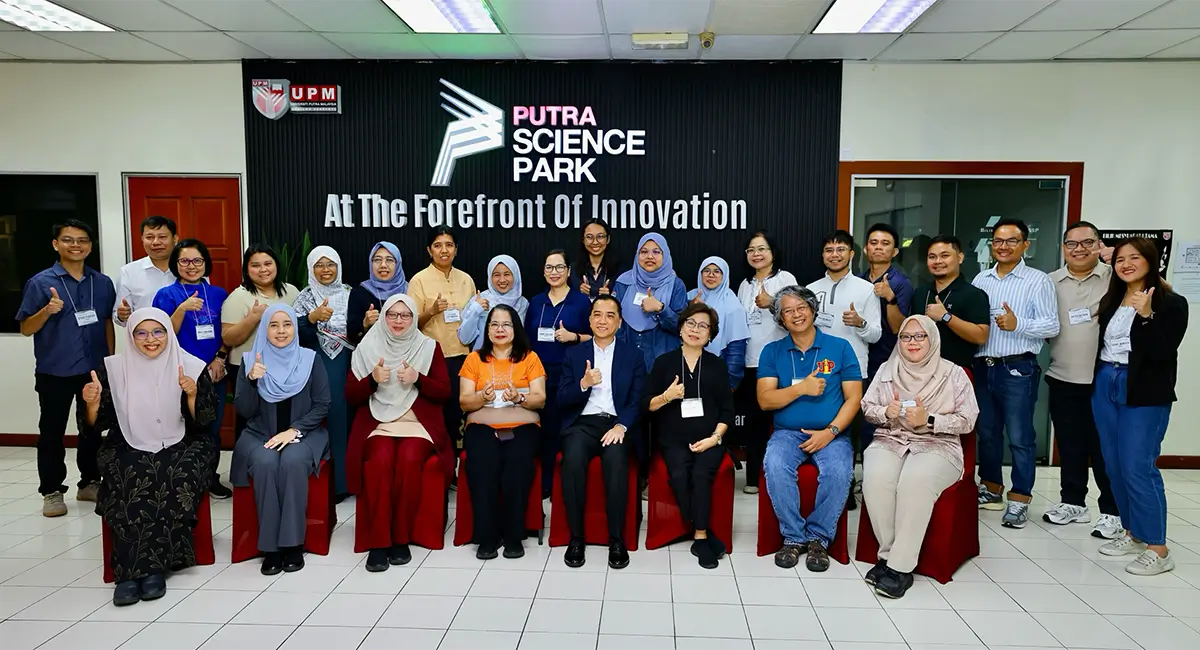
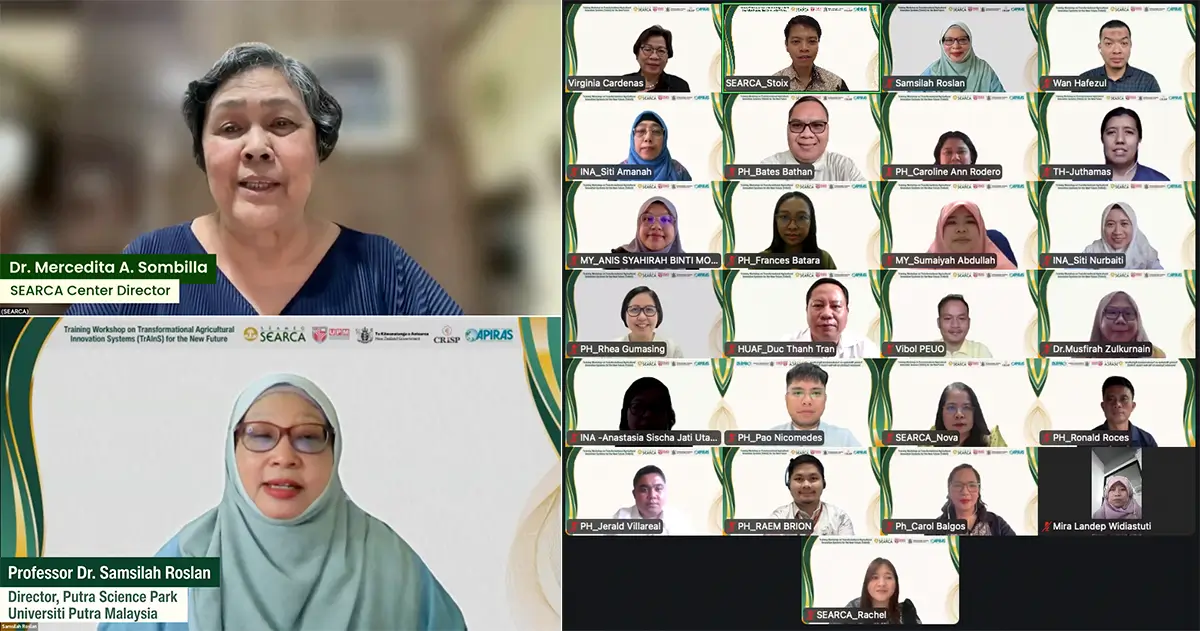
The hybrid training program gathered 20 research and extension professionals from Cambodia, Indonesia, Malaysia, the Philippines, Thailand, and Vietnam to examine emerging and persistent challenges confronting agriculture and co-create forward-looking solutions. Through a combination of expert-led discussions, workshops, collaborative learning activities, and site visits, participants explored how AIS can help build resilient, inclusive, and future-ready agri-food systems across the Southeast Asian region.
Rather than focusing solely on technologies, the program emphasized AIS as a framework that brings together institutions, policies, knowledge systems, and stakeholders to support agricultural transformation.
"While technologies may spark innovation, governance determines whether innovation becomes transformational," said Dr. Virginia Cardenas, the program's Technical Coordinator.
Throughout the training, speakers stressed that innovation in agriculture succeeds only when research institutions, extension systems, governments, industries, and local communities work together effectively.
Dr. Mercedita A. Sombilla, SEARCA Center Director, challenged participants to rethink systems and practices that limit innovation, particularly amid growing pressures from climate change, food insecurity, and resource constraints.
The discussions highlighted how weak AIS can slow the adoption of solutions and limit long-term development gains. Experts noted that countries that underinvest in research and development often become more dependent on emergency measures such as import restrictions and short-term market interventions.
At the same time, participants were encouraged to recognize that innovation systems are not driven by science alone. Indigenous knowledge systems, farmer participation, governance structures, and extension mechanisms all play critical roles in ensuring that innovations are relevant, accessible, and sustainable.
Professor Dr. Samsilah binti Roslan, Director of Putra Science Park at Universiti Putra Malaysia (UPM), emphasized the importance of building AIS that bridge academia, industry, and communities. She noted that stronger collaboration among stakeholders is essential for translating research into practical agricultural solutions.
The workshop also explored how AIS can become more localized and inclusive. International experts shared examples of integrating indigenous knowledge with science-based innovations to strengthen climate resilience, biodiversity conservation, and sustainable food systems.
Representatives from the International Food Policy Research Institute (IFPRI), United Nations Food and Agriculture Organization-Regional Office for Asia and the Pacific (FAO RAP), and New Zealand's Ministry for Primary Industries (MPI) demonstrated how innovation systems can better respond to local realities through participatory and community-driven approaches.
Another key theme was the evolving role of agricultural professionals within innovation systems. Sessions emphasized that future-ready professionals must possess not only technical expertise but also competencies in systems thinking, collaboration, digital literacy, leadership, and strategic foresight.
Participants were encouraged to adopt futures thinking approaches that consider multiple possible scenarios rather than relying on fixed predictions, enabling agricultural systems to become more adaptive to uncertainty and emerging challenges.
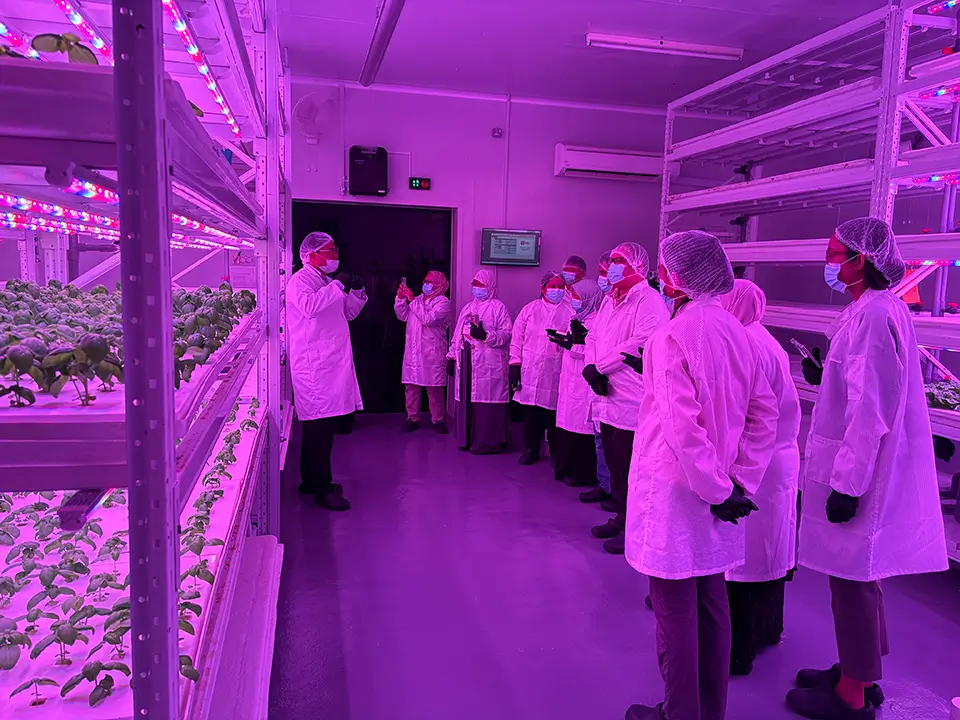
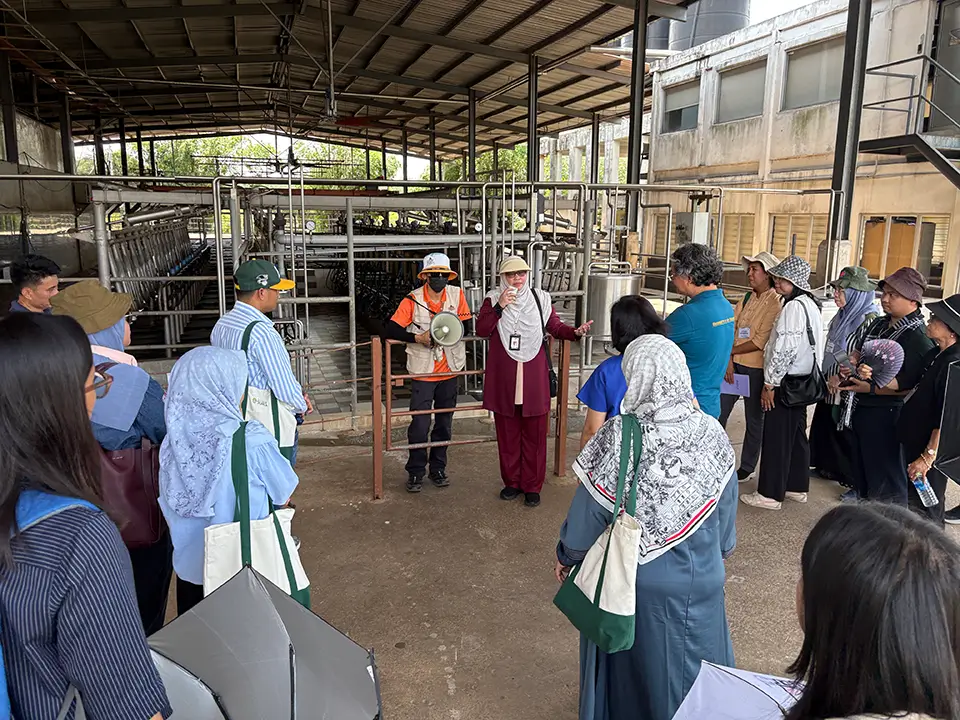
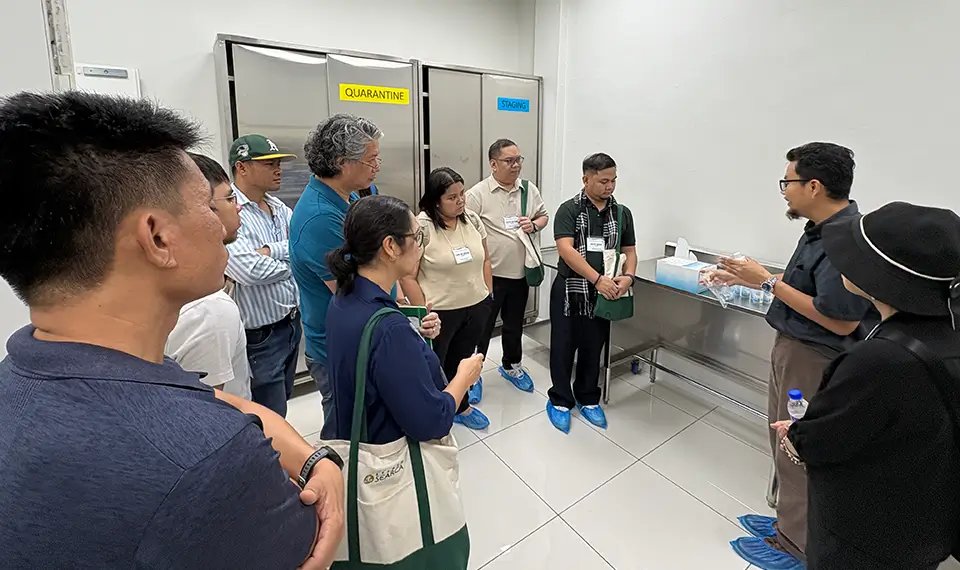
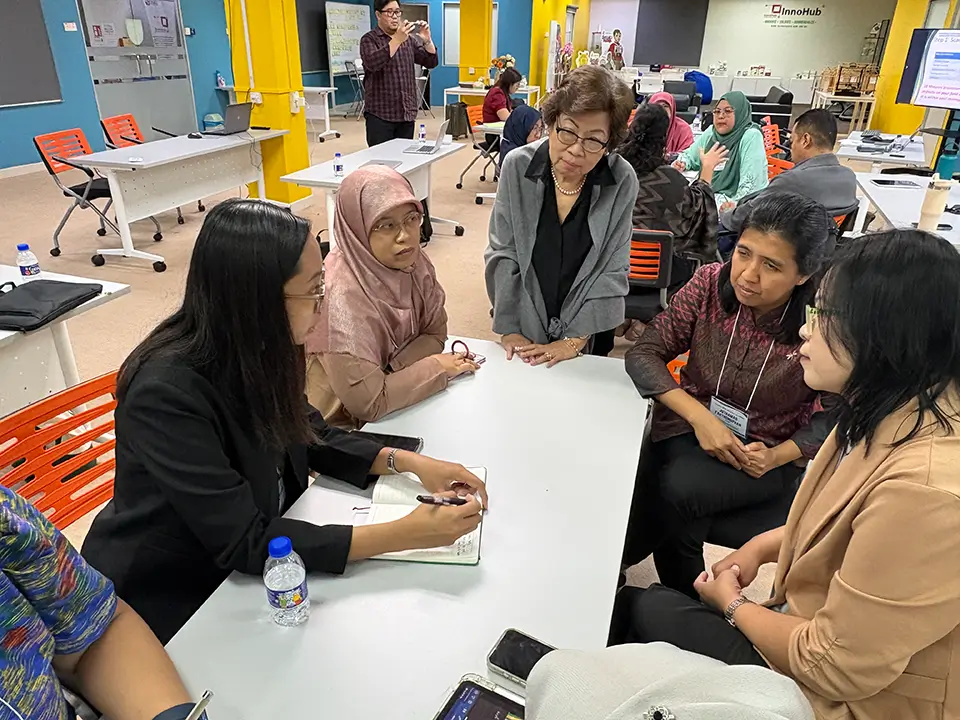
The in-person sessions at UPM allowed participants to observe agri-innovation sites around the university, particularly at the Plant Factory of the Faculty of Agriculture, Farm Fresh at UPM, and the Bio-Angle Vacs. These sites reflected UPM's strong collaboration with various partners in fostering a robust research, development, innovation, and commercialization ecosystem. Participants also developed AIS action plans tailored to the needs of their own institutions and communities.
Dr. Nova Ramos, Head of the Training for Development Unit under SEARCA's Education and Collective Learning Department, encouraged participants to be creative in securing institutional support for the implementation of their AIS action plans and to work diligently toward realizing those plans.
For many participants, the program shifted how they viewed agricultural development. Ms. Mira Landep Widiastuti from Indonesia's National Research and Innovation Agency said the training demonstrated how AIS can connect policy, indigenous knowledge, research, and extension into a more integrated approach. Another participant shared that the experience transformed their perspective "from implementing isolated agricultural interventions to building collaborative innovation systems."
As Southeast Asia continues to face interconnected challenges in agriculture, climate, and food security, the program underscored the growing importance of AIS that are collaborative, inclusive, and responsive to the needs of both farmers and communities.
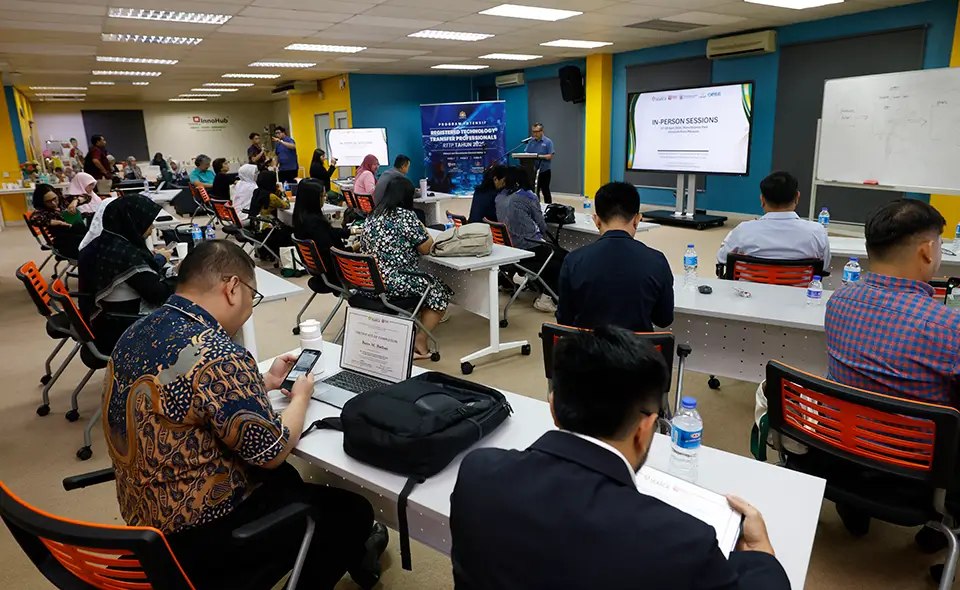
The 2026 TrAInS program was implemented in collaboration with UPM, New Zealand's Ministry for Primary Industries, the Centre for Research Innovation and Science Policy (CRISP), and the Asia-Pacific Islands Rural Advisory Services (APIRAS) Network. The program was conducted in a hybrid format, consisting of four online sessions on 6, 8, 13, and 15 April 2026, followed by in-person sessions on 27-29 April 2026 at Putra Science Park, UPM.