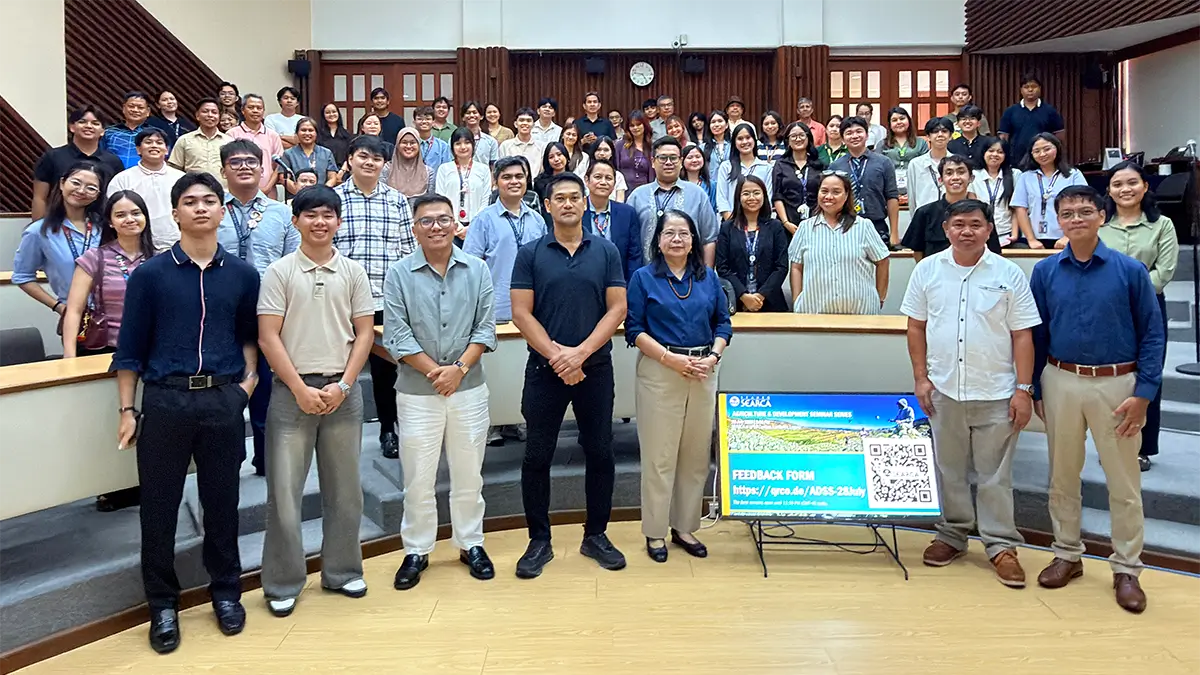
LOS BAÑOS, Philippines—The Southeast Asian Regional Center for Graduate Study and Research in Agriculture (SEARCA) featured two distinguished experts at its Agriculture and Development Seminar Series (ADSS) on 28 July 2026, themed "Resilient and Profitable Crops under Climate Change: What Works for Smallholder Farmers?"
The speakers were Mr. Joseph Manicad, Director of the High Value Crops Development Program (HVCDP) of the Philippine Department of Agriculture (DA) and Dr. Antonio Lalusin, Professor at the Institute of Crop Science, College of Agriculture and Food Science, University of the Philippines Los Baños (UPLB).
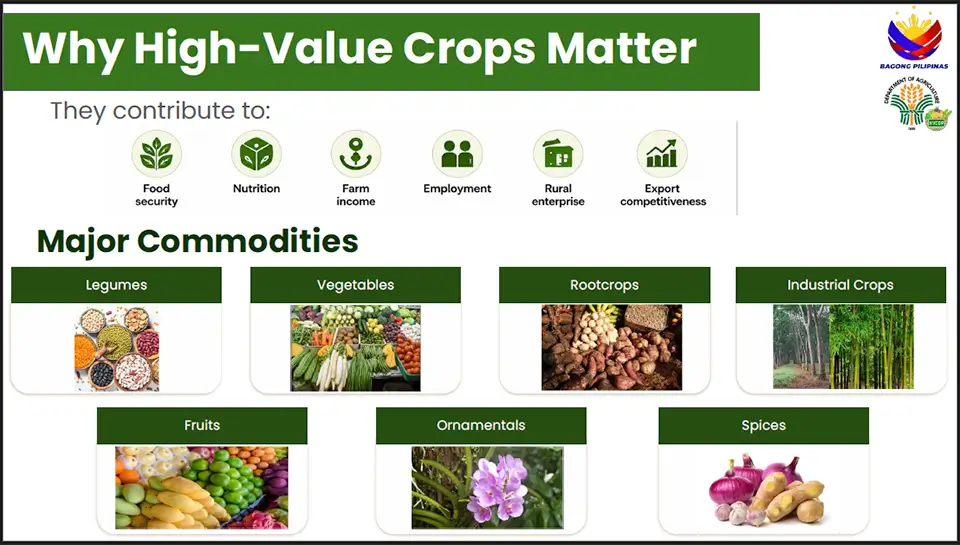
In his presentation, Manicad highlighted the importance of high-value crops beyond their contribution to farm production. He added that "high-value crops strengthen food and nutrition security by providing diverse and nutritious food for Filipino households. Economically, they generate higher incomes per hectare, create employment opportunities throughout the value chain, and stimulate rural enterprise development. They also support export competitiveness and contribute significantly to agricultural growth."
However, with climate change, he stated that farmers now experience stronger typhoons, prolonged droughts, floods, El Niño, pest outbreaks, and increasing production uncertainty. "These hazards directly reduce yields, increase production costs, and threaten rural livelihoods," he said.
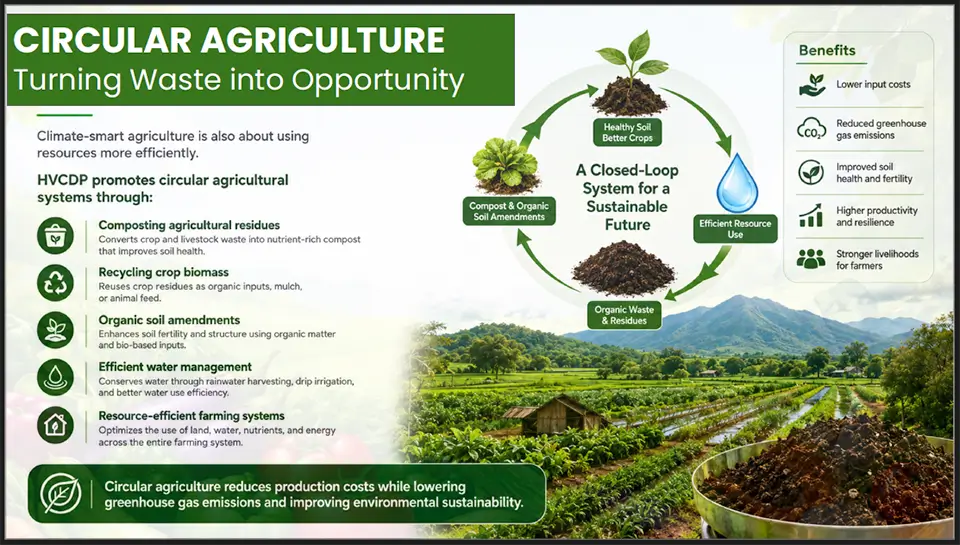
To address these challenges, Manicad presented the HVCPD framework, which aims to strengthen climate resilience among smallholder farmers through three complementary pillars: productive agriculture, resilient agriculture, and profitable agriculture. He also emphasized the importance of circular agriculture and diversification as strategies for maximizing the efficient use of resources and managing risks, respectively.
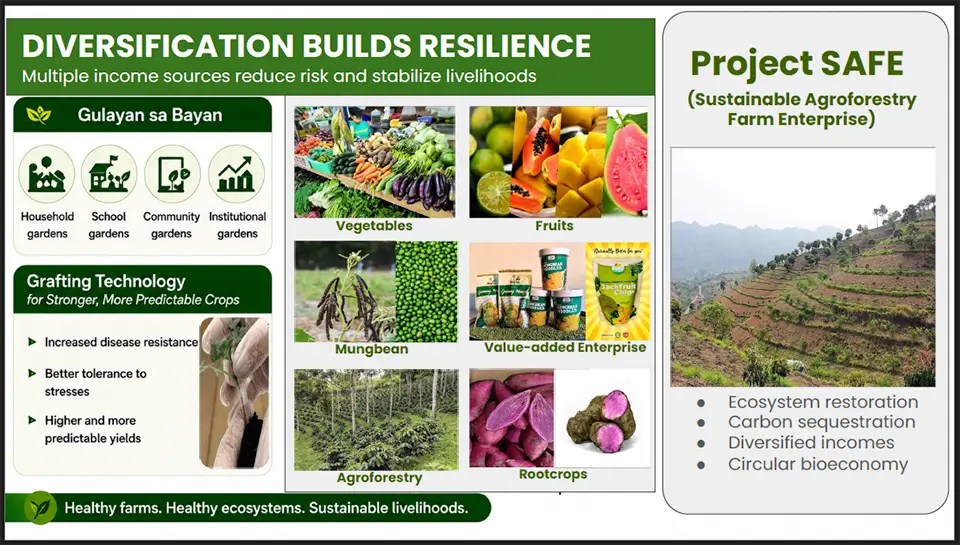
He further explained that circular agriculture recognizes agricultural byproducts as resources to be returned to the production cycle, maximizing their value while minimizing waste and environmental impact. Meanwhile, diversification reduces vulnerability by creating multiple sources of production, income, and value within the same farming system. It integrates vegetables, fruits, legumes, root crops, and perennial crops based on local agroecological conditions. He pointed out that "diversification remains one of the most effective climate adaptation strategies available to smallholder farmers."
Manicad presented the DA's key initiatives, such as the Gulayan sa Bayan Program, Project SAFE (Sustainable Agroforestry Farm Enterprise), post-harvest innovations, and processed/value-added agri-products. These programs promote food security, improved nutrition, climate-smart technologies, environmental conservation, diversified livelihoods, agricultural productivity, and multisectoral partnerships to enhance climate resilience among farmers and help them create greater value for their agri-products.
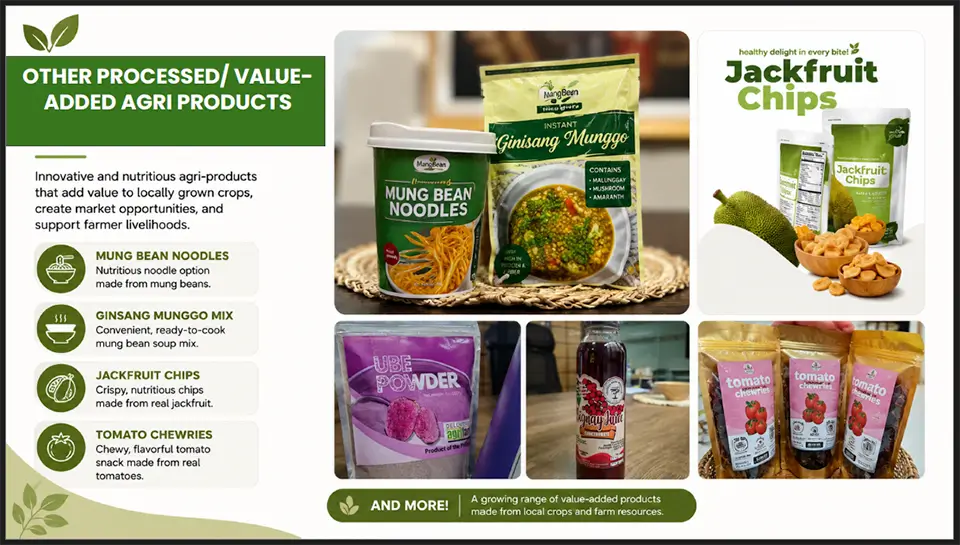
On processed and value-added agri-products, he highlighted that "instead of selling raw produce alone, crops can be processed into higher-value products such as mung bean noodles, instant munggo mix, jackfruit chips, tomato chewies, ube powder, bignay juice concentrate, and many other locally developed food products."
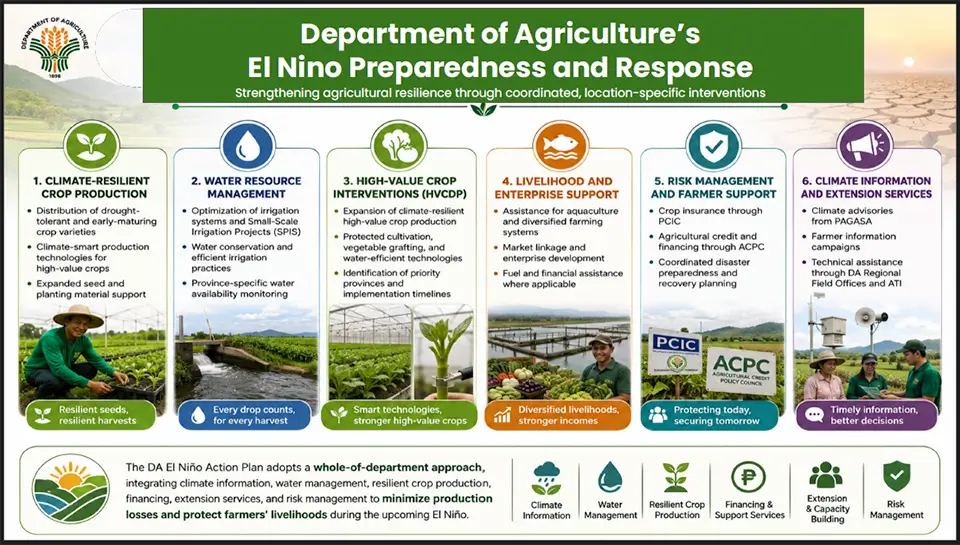
Manicad also presented the DA's coordinated national response to prolonged El Niño conditions in the country. "This whole-of-department approach brings together multiple DA agencies to ensure that interventions are targeted, timely, and responsive to local conditions," he added.
He explained that the El Niño Action Plan includes the distribution of drought-tolerant planting materials, improved water management, expansion of climate-smart technologies for high-value crops, access to credit and crop insurance, and strengthened extension and climate advisory services. These interventions are being localized by province and aligned with the cropping calendar to maximize their effectiveness.
"By integrating production support, risk management, financing, and climate information, the DA aims not only to reduce the impacts of El Niño on agricultural production but also to strengthen the long-term resilience of farming communities across the country," he said.
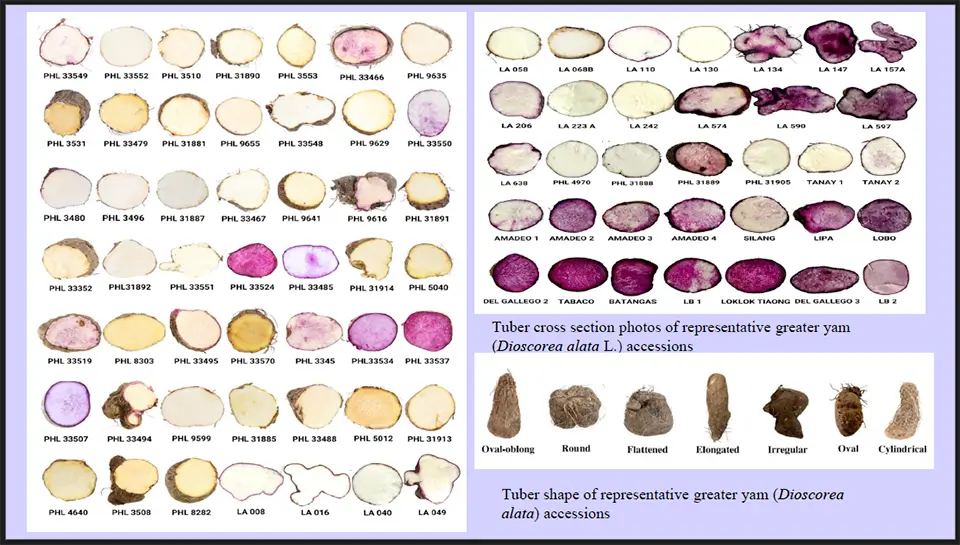
Meanwhile, Lalusin presented his team's research on harnessing genetic diversity and genomics to accelerate the development of superior Philippine ube varieties. The team collected 188 greater yam accessions from various locations in the Philippines and conducted morphological and molecular characterization as well as genetic diversity analysis.
He shared that purple yam (Dioscorea alata L.) is locally known as ube or ubi and is also called greater yam to distinguish it from minor yam species. In his presentation, he showed that not all ube are purple; flesh colors can range from white, cream, yellow, pink, and orange to purple.
Lalusin said that dehydrated yam slices are used to prepare foods such as ice cream, cakes, pastries, and other desserts. Ube peelings can also be used as raw material in the manufacture of food coloring.
"There is a big demand for ube for export in other countries. Ube exports remain strong, reaching USD 3.06 million in 2025," he added.
Processed ube products such as powder, puree, and halaya are driving export demand.
However, ube production faces a significant supply-demand gap, with domestic production at approximately 13,535 metric tons in 2022 compared with a demand of 49,000 metric tons.
Lalusin explained that low yield, seasonal nature, dormancy, and lack of greater yam planting materials add to the crop's inability to meet the annual demand.
He presented the results of the field performance evaluation of 30 selected purple-fleshed greater yam accessions, with field trials conducted at the IRRI Central Experiment Station. The results showed that the Villasis 2 accession was the highest-yielding among those evaluated, with an average yield of 60.32 tons per hectare.
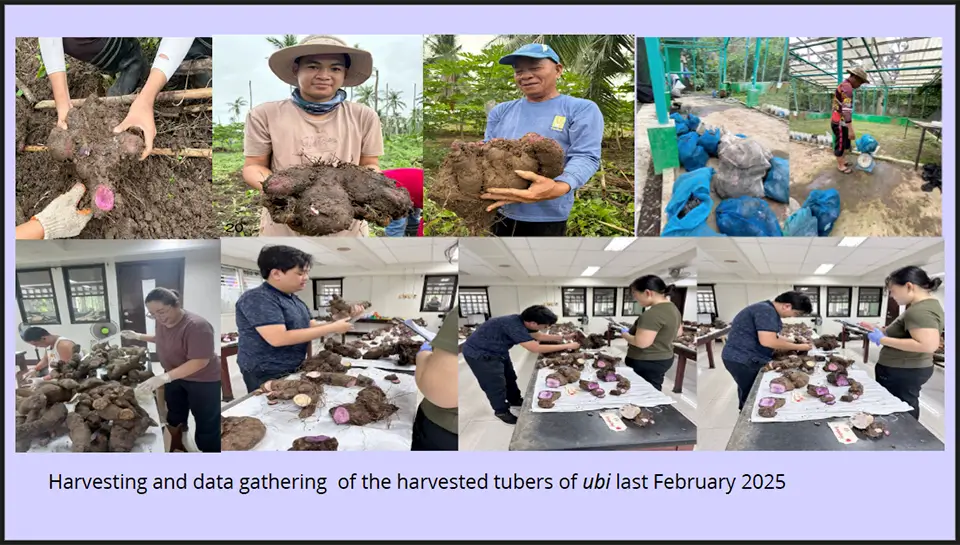
Sensory evaluation was also conducted on 10 selected purple-fleshed ubi genotypes. The assessment involved 30 untrained panelists who rated five sensory attributes— appearance, aroma, taste, texture, and general acceptability—using a nine-point hedonic scale. Results showed that the Kinampay accession was the most aromatic and genetically conserved among those assessed, while the Mabitac 2 accession received generally consistent ratings across the five sensory attributes. The researchers also conducted anthocyanin profiling of the purple-fleshed ube accessions.
He presented eight promising Dioscorea alata accessions selected based on agromorphological, sensory, and pigment attributes: Villasis 2, Villasis 1, San Felipe, Carigar (Leyte), LA63, Mabitac 2, Batangas, and Kinampay.
Lastly, Lalusin presented the profitability potential of ube production through a cost-and-return analysis, detailing labor costs, material costs, and yield expectations. During the regular season, a yield of 30 tons per hectare at PHP 60/kg would generate a net income of approximately PHP 1,432,000 over 10-12 months, while during the off-season, a yield of 20 tons per hectare at PHP 60/kg would generate a net income of approximately PHP 832,000.
Dr. Rico Ancog, SEARCA Deputy Director for Administration, and Dr. Nova Ramos, Head of Education and Collective Learning Department-Training for Development Unit (ECLD-T4DU), presented the certificates of appreciation to Manicad and Lalusin for sharing their expertise during the ADSS.

The SEARCA ADSS is a regular forum for the exchange of ideas on agricultural and rural development. It aims to contribute to dynamic discussions and knowledge exchange within and beyond the Los Baños Science Community.