CALAPAN CITY, Philippines—Farmers, local officials, scientists, civil society groups, and representatives from government agencies, research institutions, farmer organizations, and environmental groups convened in a series of public consultations on 3 March and 6 April 2026 to discuss Oriental Mindoro's long-standing ban on genetically modified (GM) crops and explore whether organic and GM farming systems can coexist under science-based and inclusive regulatory safeguards.
The activities were organized by the Provincial Agriculture Office of Oriental Mindoro, the Southeast Asian Regional Center for Graduate Study and Research in Agriculture (SEARCA), and the Department of Agriculture - Biotechnology Program Office (DA-BPO).
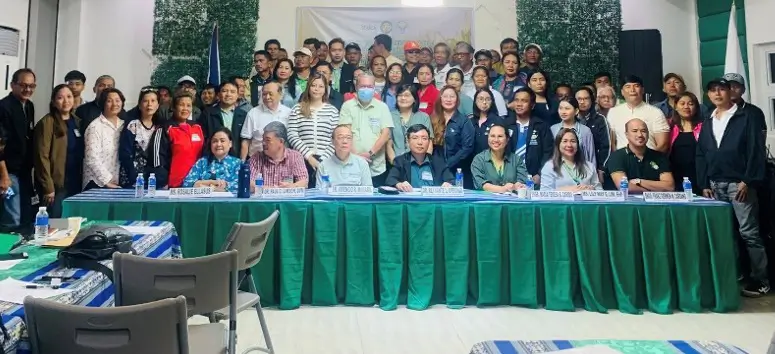
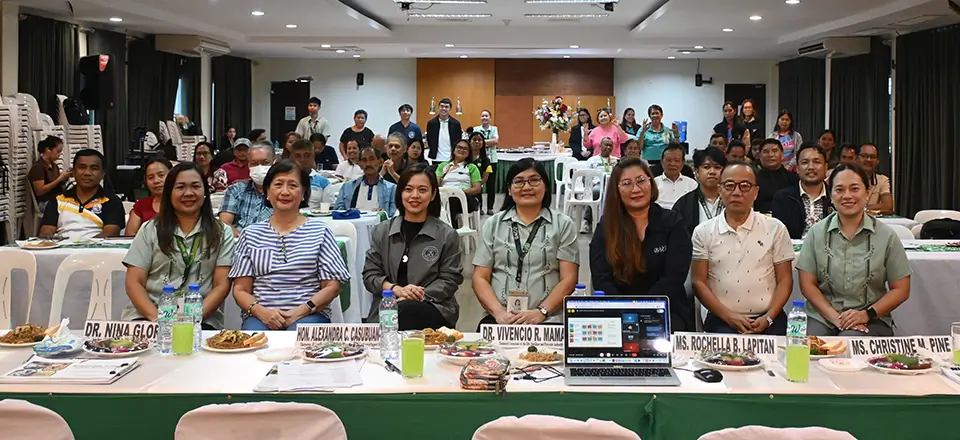
Stakeholders from across Oriental Mindoro gather in Calapan City for a series of public consultations on GM crop regulation and inclusive dialogue.
Provincial code sets GMO safeguards
Oriental Mindoro continues to implement Provincial Ordinance No. 03-2024, or the Environment Code, and Ordinance No. 002-2007, which prohibits the entry and propagation of GM organisms (GMOs) in the province.
 Ms. Lily Mae Lim (left) of PG-ENRO discusses Oriental Mindoro's GMO ordinances, while Engr. Franz Gerwen Cardano of DA-MIMAROPA cites their impact on agricultural support programs for corn farmers.
Ms. Lily Mae Lim of the Provincial Government - Environment and Natural Resources Office (PG-ENRO), said "the ordinances were crafted to protect biodiversity, public health, and sustainable agricultural practices while ensuring that any introduction of GM organisms undergoes thorough review and public consultation."
However, government officials noted that the existing ban has also limited the province's access to agricultural support programs, particularly for corn production.
Engr. Franz Gerwen Cardano of DA-MIMAROPA said provinces without GM restrictions, such as Occidental Mindoro and Palawan, receive greater benefits from the DA Corn and Cassava Program, including mechanization support, production assistance, and postharvest facilities. In contrast, Oriental Mindoro's corn farmers were allocated only PHP 2.5 million for 2026 despite the province recording a yellow corn sufficiency level of just 5.42 percent.
Cardano said lifting the ban could allow the province to fully benefit from regional interventions.
"If we provide high-yielding seed varieties along with all the necessary inputs, the farmers' harvest will improve," he said.
Farmers, local officials seek policy review
To address the challenges confronting Oriental Mindoro's corn industry, the Provincial Agriculture Office initiated the consultations following formal requests from corn-growing municipalities and farmer groups seeking a reassessment of the province's GMO restrictions.
According to Provincial Agriculturist Christine Pine, seven of the province's eight major corn-producing municipalities had expressed support for reviewing the policy.
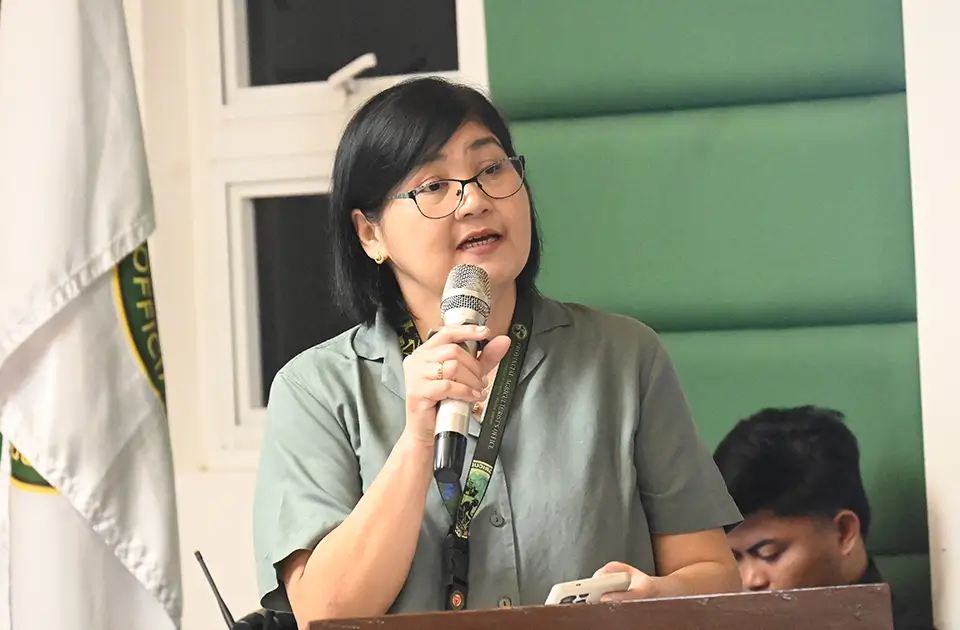 Provincial Agriculturist Christine Pine discusses consultations on Oriental Mindoro’s GMO policy review and its impact on corn farmers.
"Oriental Mindoro is very much deprived of assistance," Pine said. "This consultation is being conducted to consider the calls of our corn farmers while also ensuring that the interests of our environment are not compromised."
During the consultations, municipal officials and corn farmers highlighted challenges related to pest outbreaks, climate variability, rising production costs, and low productivity. Participants noted that GM corn technologies, particularly Bt corn, could help reduce pesticide use and improve yields and farm incomes.
Municipal Agriculturist Rommel de Guzman of Bulalacao said the province's policy should align with scientific evidence and farmers' practical needs, pointing out that while GM corn remains banned, other GM products continue to be consumed by the public.
Experts highlight biosafety and science-based regulations
Government and scientific experts emphasized that GM crops in the Philippines undergo strict biosafety evaluation before approval.
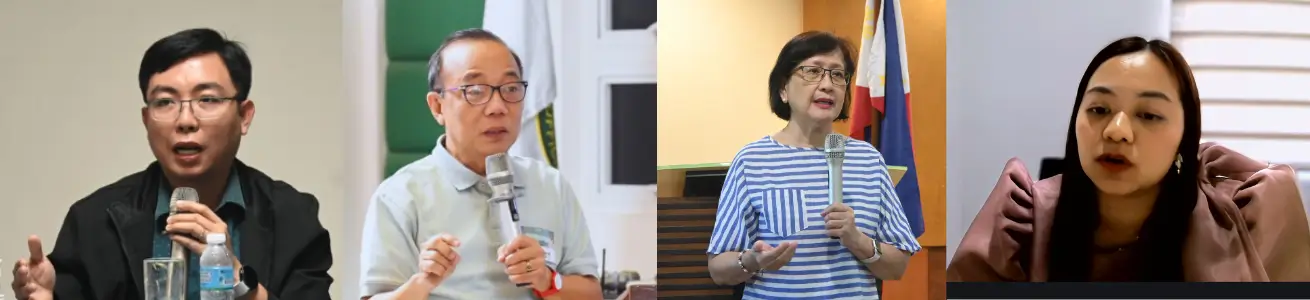 From left: Dr. Reynante Ordonio of the Philippine Rice Research Institute, Dr. Vivencio Mamaril of the DA Fertilizer and Pesticide Authority, Dr. Nina Gloriani of the University of the Philippines Manila College of Public Health, and Ms. Sheeb Kaiserin Exconde of the DA-Bureau of Plant Industry discuss the Philippines’ science-based biosafety regulations and the role of biotechnology in agriculture.
Dr. Reynante Ordonio of the Philippine Rice Research Institute said biotechnology is a regulated and precise tool that can complement organic agriculture by improving yields and reducing pest risks. He cited the country's approval of Bt corn, Golden Rice, Bt talong, and Bt cotton as examples of the expanding biotechnology landscape in the Philippines.
Ms. Sheeb Kaiserin Exconde of the DA-Bureau of Plant Industry described the Philippine biosafety framework as a science-based regulatory system developed over more than three decades to ensure that biotechnology innovations advance while protecting people and the environment.
In addition, Dr. Vivencio Mamaril of the DA Fertilizer and Pesticide Authority explained that this framework involves coordinated review by multiple agencies, including the Department of Science and Technology, Department of Environment and Natural Resources, Department of Health, and Department of the Interior and Local Government. He said the approval process includes assessments of food safety, environmental impact, and animal feed safety, alongside mandatory public consultations.
Meanwhile, Dr. Nina Gloriani, former dean of the University of the Philippines Manila College of Public Health, said that "no approved GM crop has been proven to cause increased allergenic effects due to genetic modification". She also emphasized the importance of maintaining rigorous biosafety systems to safeguard public and environmental health.
Farmer champion shares biotech corn experience
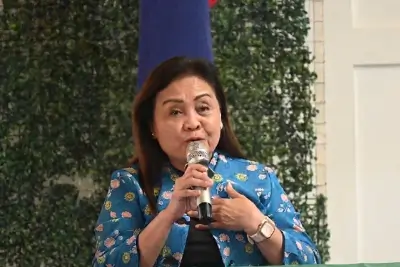 Biotech corn farmer Rosalie Ellasus discusses how Bt corn helped increase productivity, lower production costs, and improve farm management.Providing a firsthand account, Pangasinan-based biotech corn farmer Rosalie Ellasus shared how adopting Bt corn improved her livelihood. She said her yields increased from 3.2 metric tons per hectare to as much as 9.2 metric tons using stacked-trait varieties, while pesticide applications and labor requirements significantly decreased.
"With Bt corn, the produce is clean, pest-free, and my cost of production is lower, while the yield is much higher," Ellasus said. "I can now manage more hectares efficiently, rent additional land, and even help other farmers improve their farms."
Sustainable farming through organic-GM coexistence
During the consultations, Oriental Mindoro farmers explored broader and more sustainable farming options, including ways for organic and GM farming systems to coexist under science-based regulations and proper management practices.
"Coexistence of GMOs with organic agriculture is the key," Ordonio said, stressing that farmers should have the freedom to choose technologies appropriate to their needs and contexts.
Organic agriculture (OA) and GM crops in the Philippines are both subject to government regulation and approval, although they operate under separate regulatory frameworks. Organic agriculture is governed by Republic Act 10068, while GM crops are regulated under the Joint Department Circular (JDC) No. 1, Series of 2021.
Mamaril said "the coexistence of organic and GM crops is already being practiced in several provinces, demonstrating that both production systems can operate simultaneously under proper management."
He cited mitigation measures such as spatial distancing, including a recommended 500-meter buffer for corn, asynchronous planting schedules, physical barriers, and proper farm planning as measures that can be implemented to support coexistence between organic and GM crop production systems.
Stakeholders call for continued dialogue
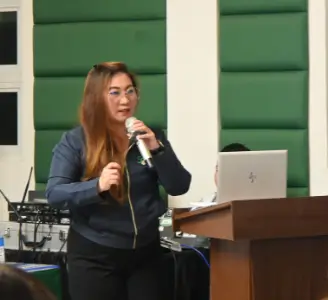 Ms. Rochella Lapitan, SEARCA Program Specialist, facilitates dialogue and guides the discussion among farmers, officials, and experts.The open forum facilitated by SEARCA brought out varying perspectives from participants, with stakeholders repeatedly emphasizing the importance of evidence-based policymaking, inclusive participation, and balanced representation in future discussions. Provincial officials clarified that the consultations do not automatically signify policy change but serve as a venue for gathering stakeholder input.
Despite support from some farmers and officials, significant concerns among organic farmers, environmental advocates, and civil society organizations were raised including possible cross-contamination affecting organic certification, biodiversity protection, seed sovereignty, and the long-term implications of biotechnology for traditional farming systems. Others emphasized strengthening community seed banking, farmer-led breeding initiatives, and agroecological approaches.
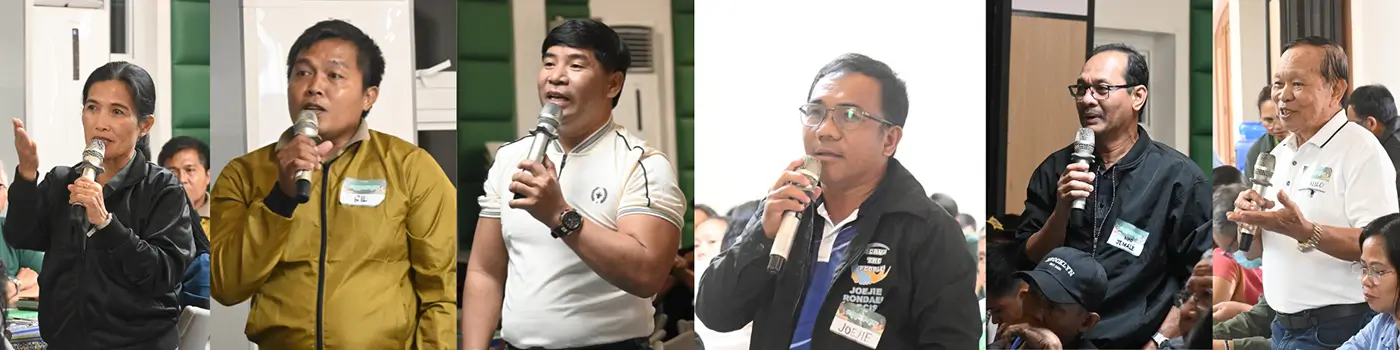 Farmers and officials actively engage in shaping policy recommendations
Hon. Alexandra Casubuan-Tan, chairperson of the Sangguniang Panlalawigan Committee on Agriculture, Agrarian Reform and Beneficiaries Support Services, acknowledged both the potential benefits and the concerns surrounding GM crops.
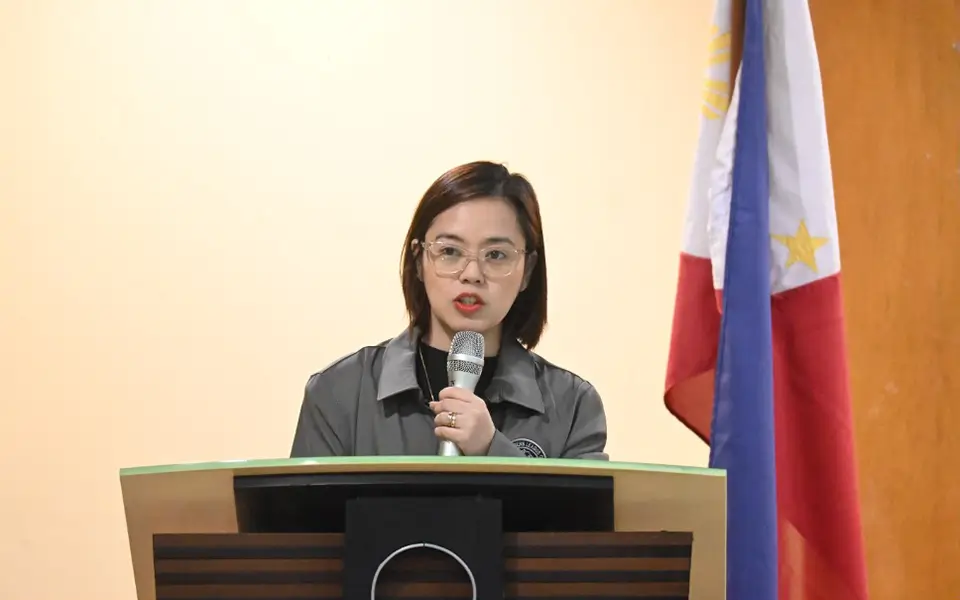 Hon. Alexandra Casubuan-Tan, chairperson of the Sangguniang Panlalawigan Committee on Agriculture, Agrarian Reform and Beneficiaries Support Services, discusses the opportunities and concerns surrounding GM crops.
"The issue of GMOs is not simple," she said. "There are legitimate concerns about their impact on culture, biodiversity, health, and traditional farming practices, and we cannot disregard the voices of our farmers."
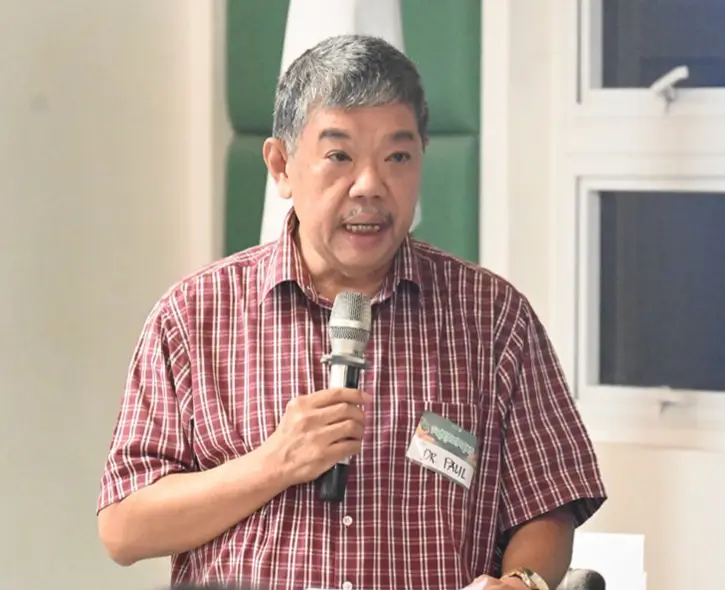 DA-BPO Director Dr. Paul Limson highlights the importance of dialogue and democratic policymaking in shaping the future of biotechnology and agriculture.On the other hand, DA-BPO Director Dr. Paul Limson said disagreements and debates are natural in democratic policymaking, particularly on issues affecting livelihoods and the future of agriculture.
"When we talk about biotechnology and organic farming, we are not just talking about science or policy," Limson said. "We are talking about livelihoods, values, and the future direction [of agriculture]."
Participants agreed that further consultations involving key stakeholders remain necessary as Oriental Mindoro continues to reflect on its agricultural policy direction. They also expressed support for refining regulatory approaches that would allow both organic and GM farming systems to operate responsibly side by side.
The consultations ultimately underscored a growing realization among stakeholders that the future of agriculture in Oriental Mindoro may depend not on choosing between organic and GM farming, but on finding ways for diverse systems, technologies, and farmer choices to coexist in pursuit of inclusive and sustainable agricultural development.