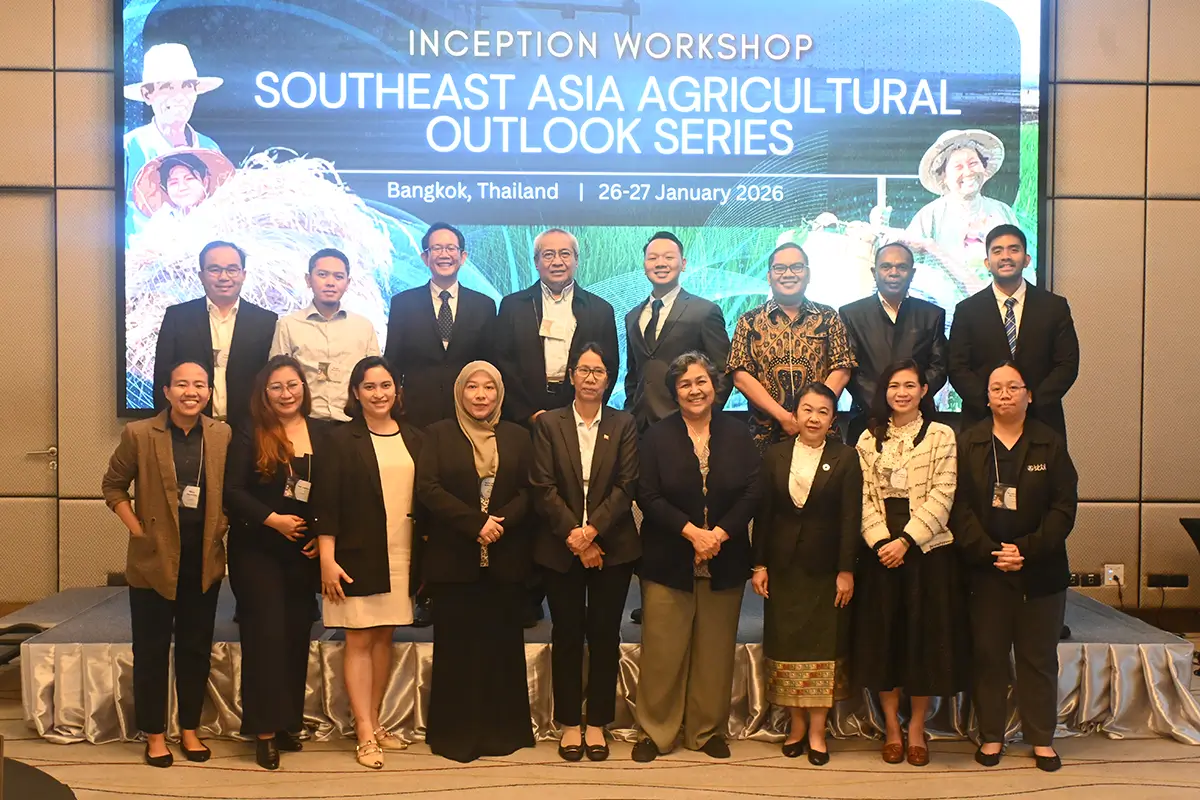
BANGKOK, Thailand—The Southeast Asian Regional Center for Graduate Study and Research in Agriculture (SEARCA), organized the Inception Workshop of the Southeast Asia Agricultural Outlook Series (SEA Agri Outlook) on 26-27 January 2026 in Bangkok, Thailand.
Led by SEARCA's Research and Thought Leadership Department (RTLD), the workshop generally aimed to provide a venue for SEARCA and country experts from the 11 Southeast Asian countries to discuss and agree on the country studies' overall focus, methods of analysis, data sources, and report contents.
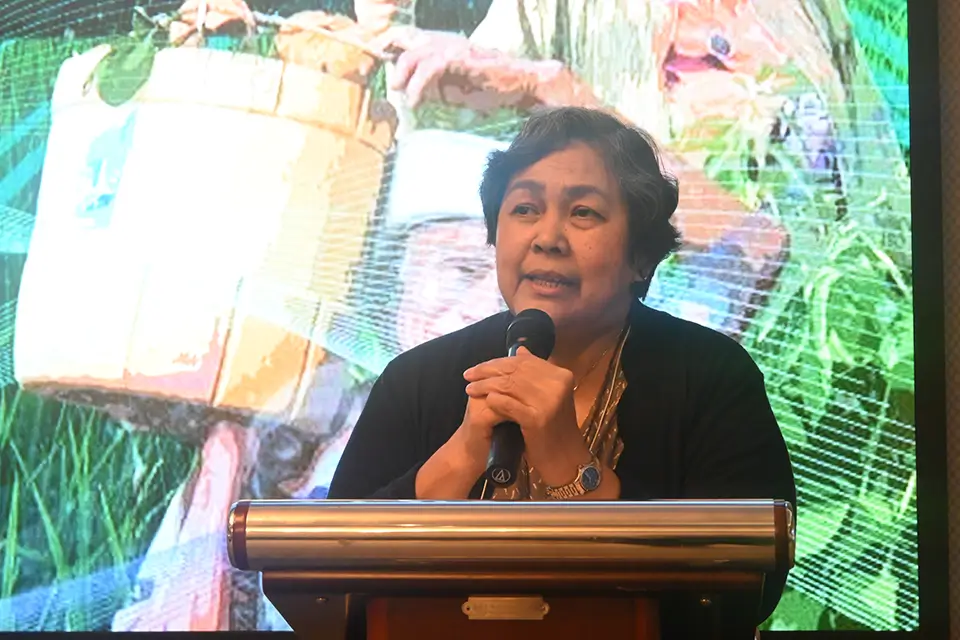
Dr. Mercedita A. Sombilla, SEARCA Center Director, welcomed the participants and presented an overview of the SEA Agri Outlook Series. She emphasized that it aims to provide a comprehensive, data-driven assessment of agricultural performance and transformation across the 11 Southeast Asian countries. Anchored in SEARCA's 12th Five-Year Development Plan (FYDP), the Series serves as a flagship publication offering policy-relevant insights through a mixed-methods analytical framework that integrates quantitative data, stakeholder engagement, and modeling tools. Building on earlier regional studies, the Series emphasizes systemic agricultural transformation to strengthen food security, reduce poverty, and advance sustainable development, with outputs including country and regional reports and an open-access database.
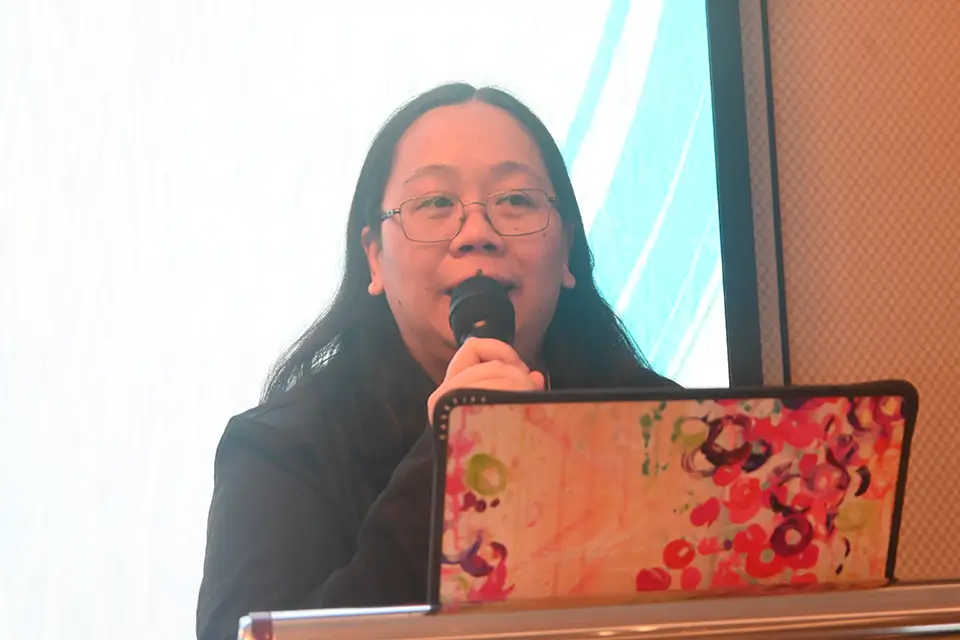
Ms. Bernice Anne D. De Torres, SEARCA Program Coordinator, discussed the objectives of the workshop and its intended outputs. Participants also introduced themselves and shared their current initiatives and research focus.
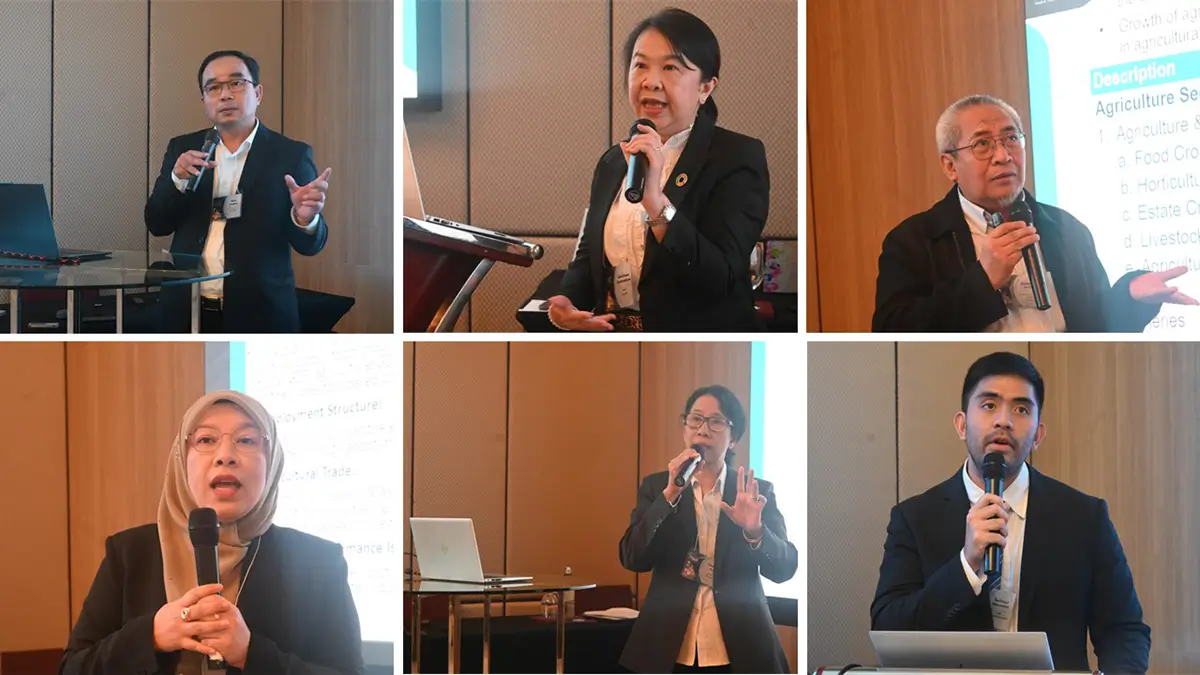
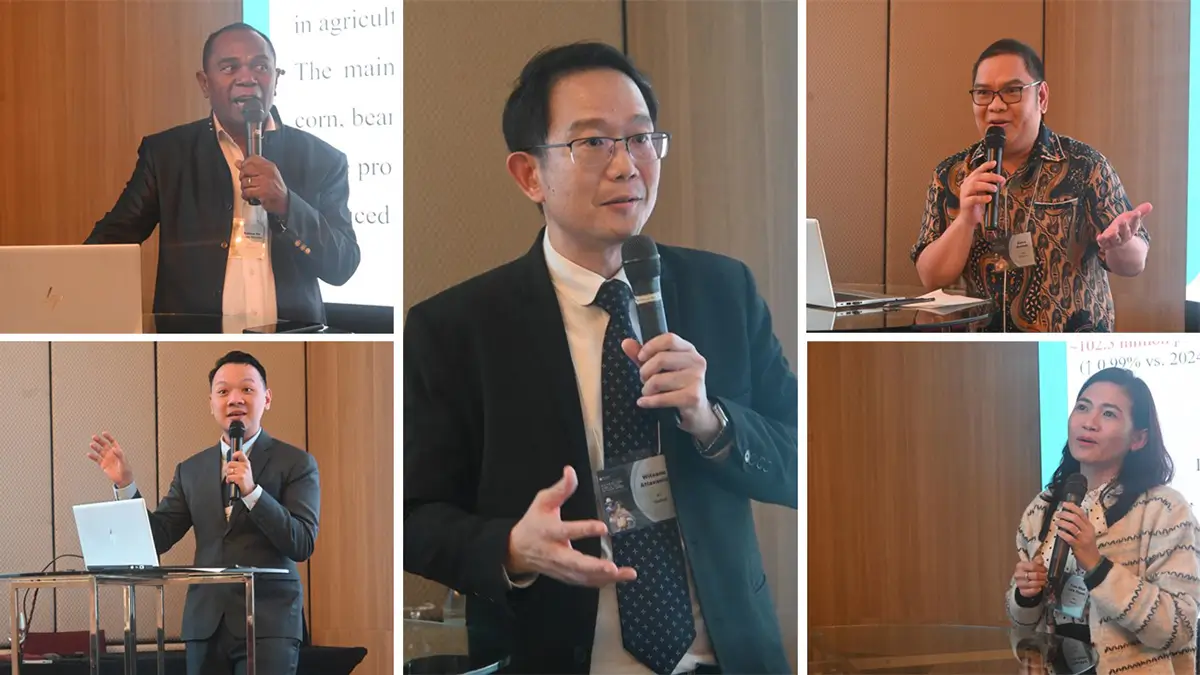
The first day of the workshop focused on the presentations by the 11 country experts that provided an overview of the current state of agriculture in their respective countries and including sector performance, food and nutrition security situations, as well as major policies and programs that are being implemented to support the agriculture sector's development. The country experts also discussed their proposed country studies, including methods of analysis, data needs and sources, and report contents, to ensure alignment with the objectives of the Series.
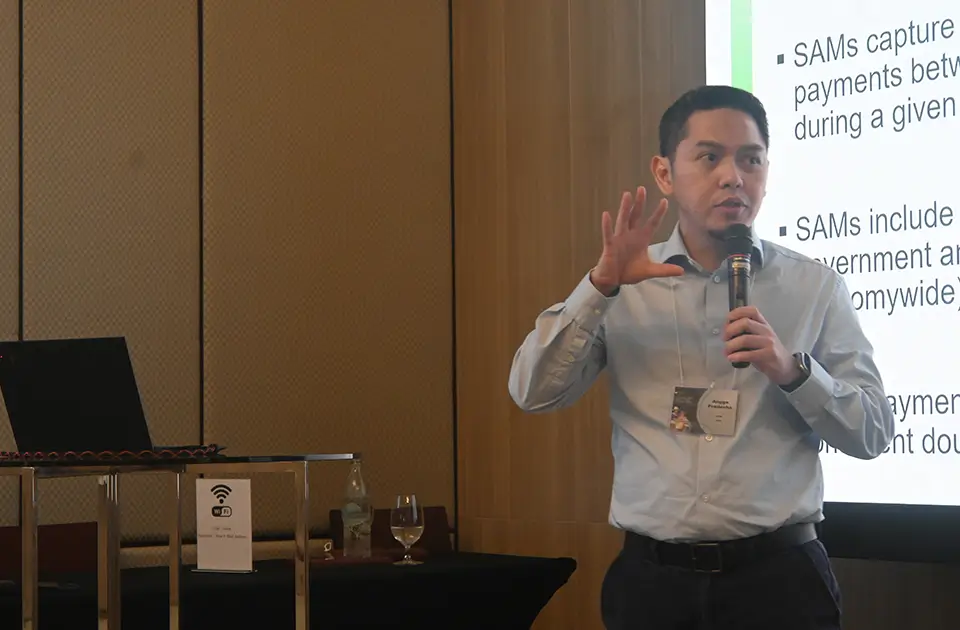
Mr. Angga Pradesha, Senior Scientist, Foresight and Policy Modeling Unit, International Food Policy Research Institute (IFPRI), presented an overview of the Computable General Equilibrium (CGE) model and IFPRI's Agricultural Transformation Index (ATI). He then proceeded to facilitate a workshop on the CGE and ATI data needs, as well as a discussion on each country's identified scenarios for their CGE model analyses.
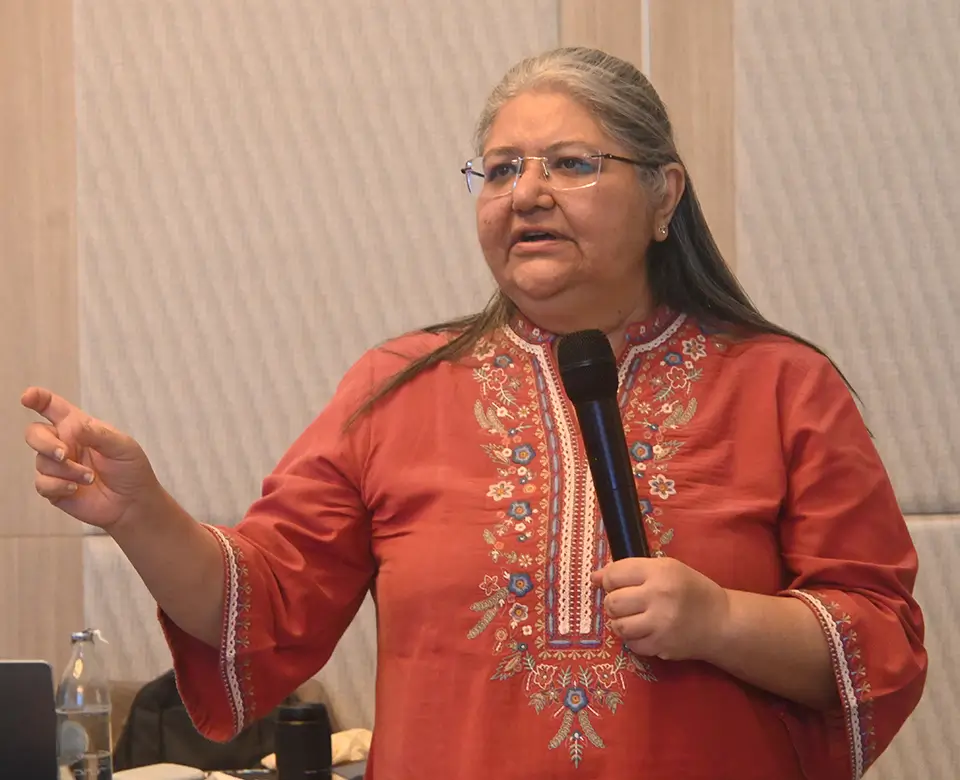
To help enhance the SEA Agri Outlook Series, a representative from the Food and Agriculture Organization Regional Office for Asia and the Pacific (FAO-RAP) joined the discussions. Ms. Meeta Punjabi Mehta, FAO-RAP Senior Food Systems Officer, contributed valuable insights during the workshop. She expressed the organization's willingness to share its Regional Foresight Report, which contains critical data on the future direction of food systems. Furthermore, Mehta highlighted FAO-RAP's ongoing regional horizon-scanning, which provides countries with scenario-based analyses to identify significant emerging challenges over the next four to five years.
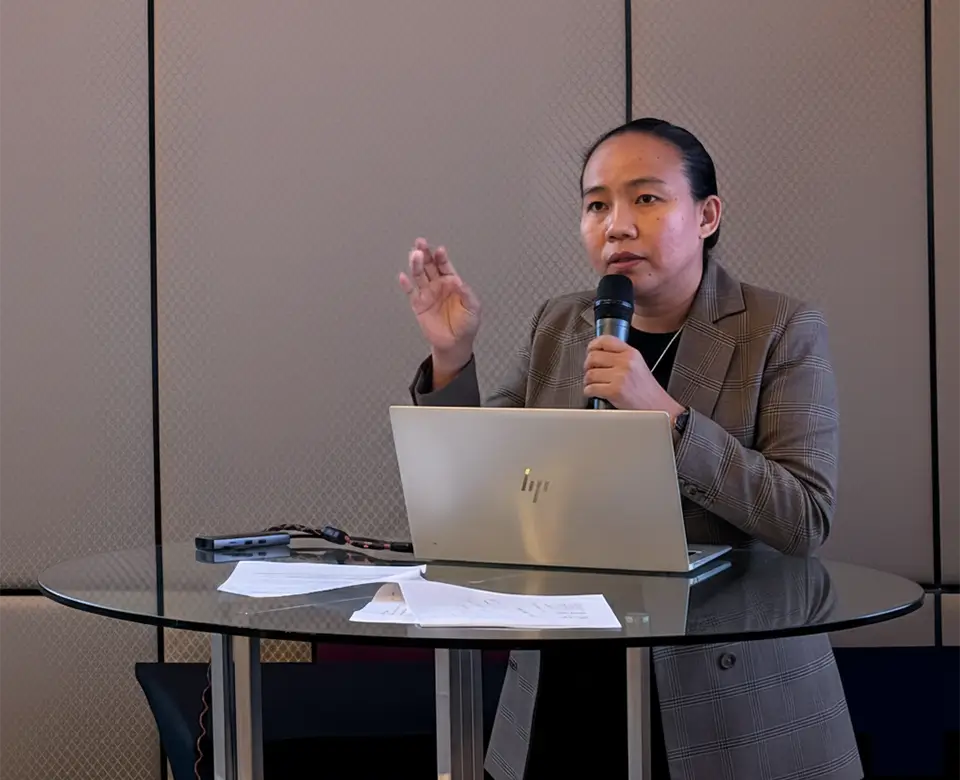
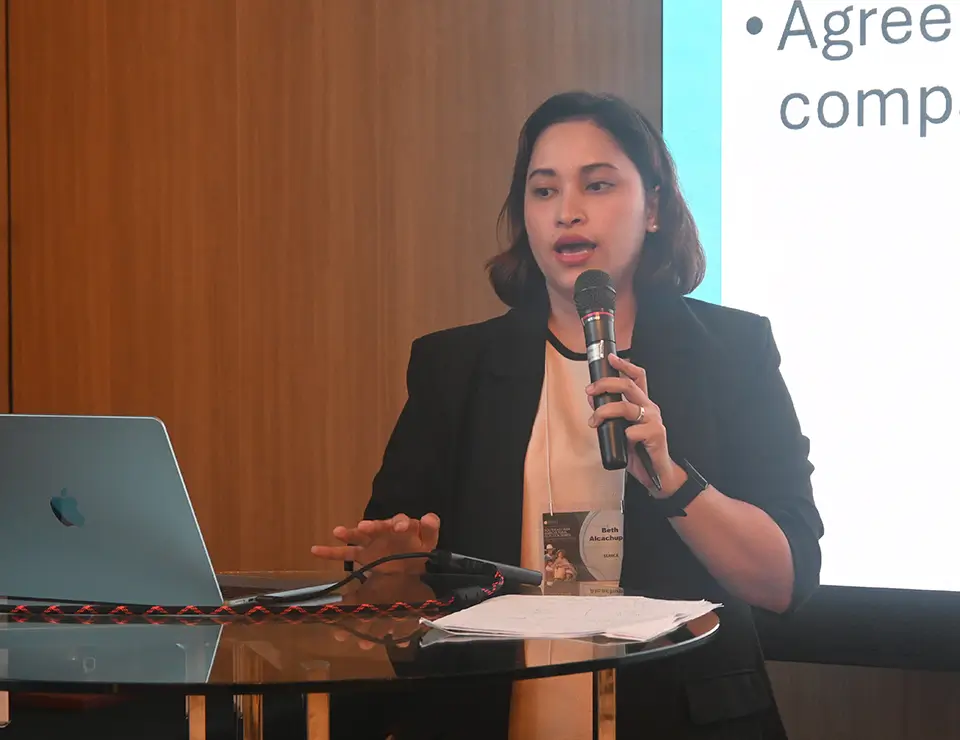
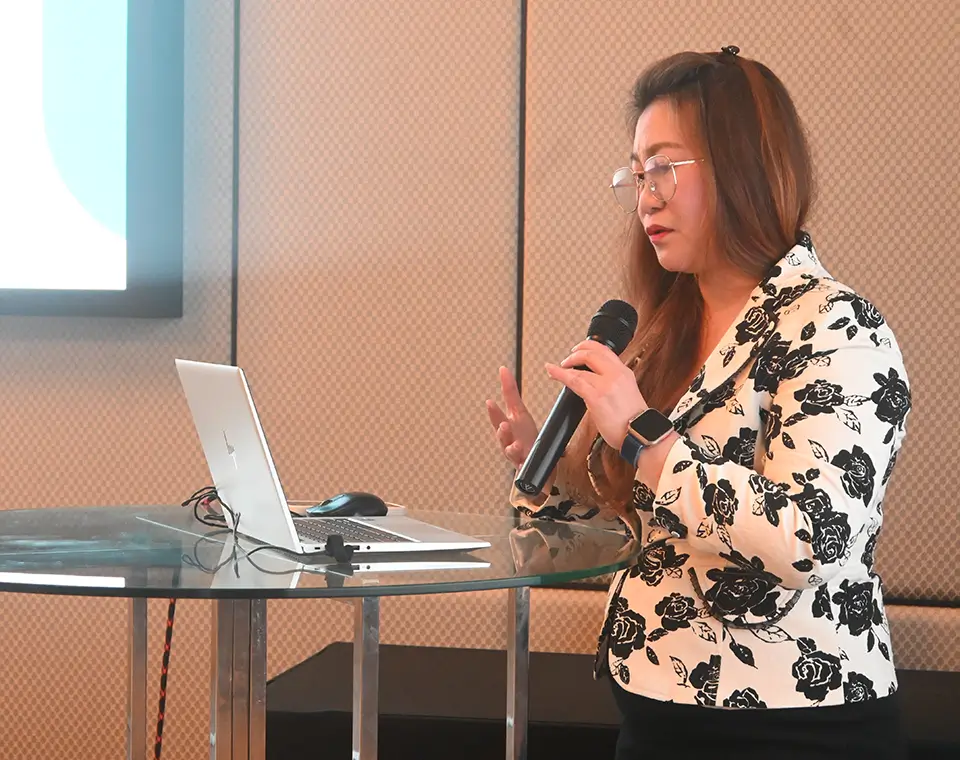
On the workshop's second day, Ms. Donna Bae Malayang, SEARCA Program Associate, opened the sessions with a recap that set the context for the day's discussions. The Center's Southeast Asian Agricultural Statistics Database (SAASD) was presented by Ms. Rochella Lapitan, SEARCA Program Specialist. The SAASD is a comprehensive and sustainable regional database that supports analysis of agricultural transformation in Southeast Asia. The SAASD is an open-access dashboard that features interactive visualizations, such as trends, charts, and maps, alongside downloadable datasets and analytical reports. Together with Ms. Elizabeth Alcachupas, SEARCA Program Specialist, Lapitan also presented an initial set of indicators identified by SEARCA for the SAASD and invited insights and inputs from the country experts.
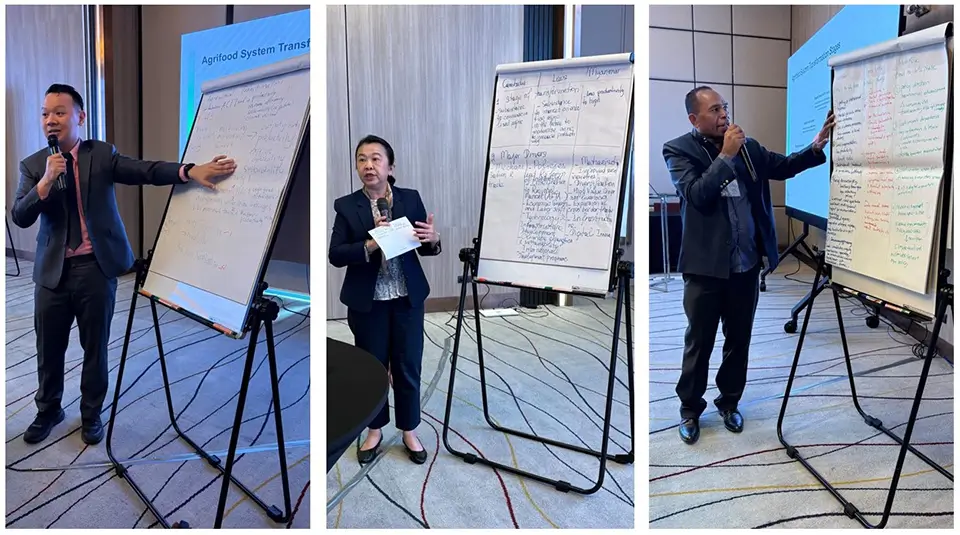
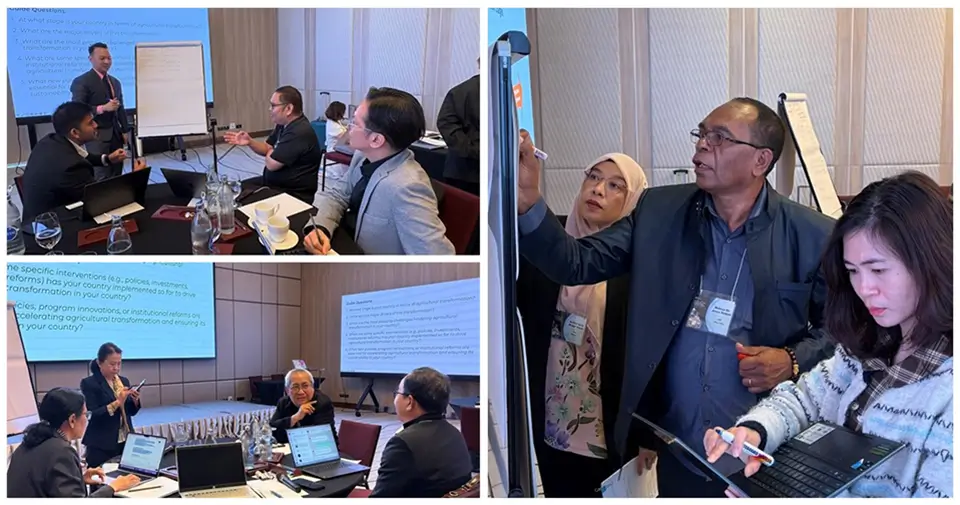
To assess the current state of agricultural transformation in the 11 Southeast Asian countries, the experts engaged in group discussions on their countries' status, key drivers, challenges, and ongoing interventions related to agricultural transformation. Each group reported where their countries stand in the agricultural transformation journey, the key factors pushing the transformation, persistent challenges that hinder their progress, reviewed policies, investments, and institutional reforms already in place, while also identifying policies needed to accelerate and sustain transformation. The workshop generated relevant inputs for SEARCA's regional cross-country analysis under the Series.
Before closing the workshop, De Torres presented the next steps and activity timeline for the Series. The country experts were tasked to submit individual research plans outlining their activities for completing the country studies.
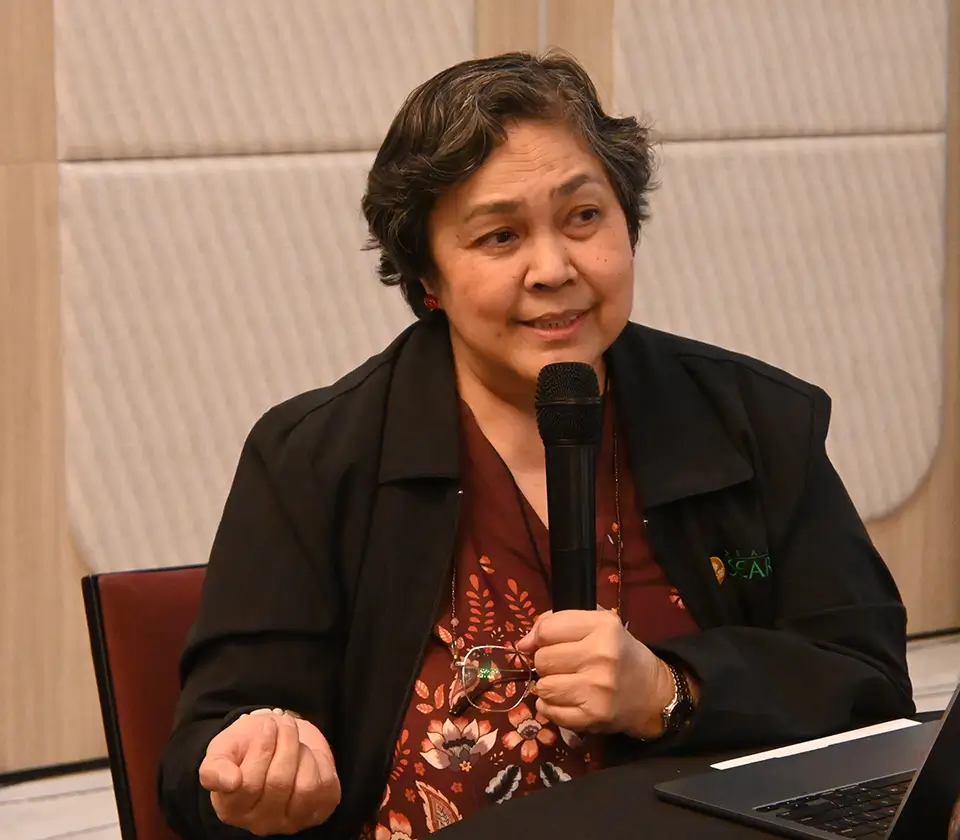
Sombilla concluded the workshop by thanking the country experts for their active involvement and valuable contributions. She noted that while substantial progress has been made, further work lies ahead and underscored the importance of this collaborative endeavor toward publishing the SEA Agri Outlook Series, which is expected to be highly relevant to SEARCA and the participating governments.