
Third International Conference on Agricultural and Rural Development (ARD) in Southeast Asia

Theme: Policy Pathways for Sustainable Agrifood Systems Transformation in Southeast Asia
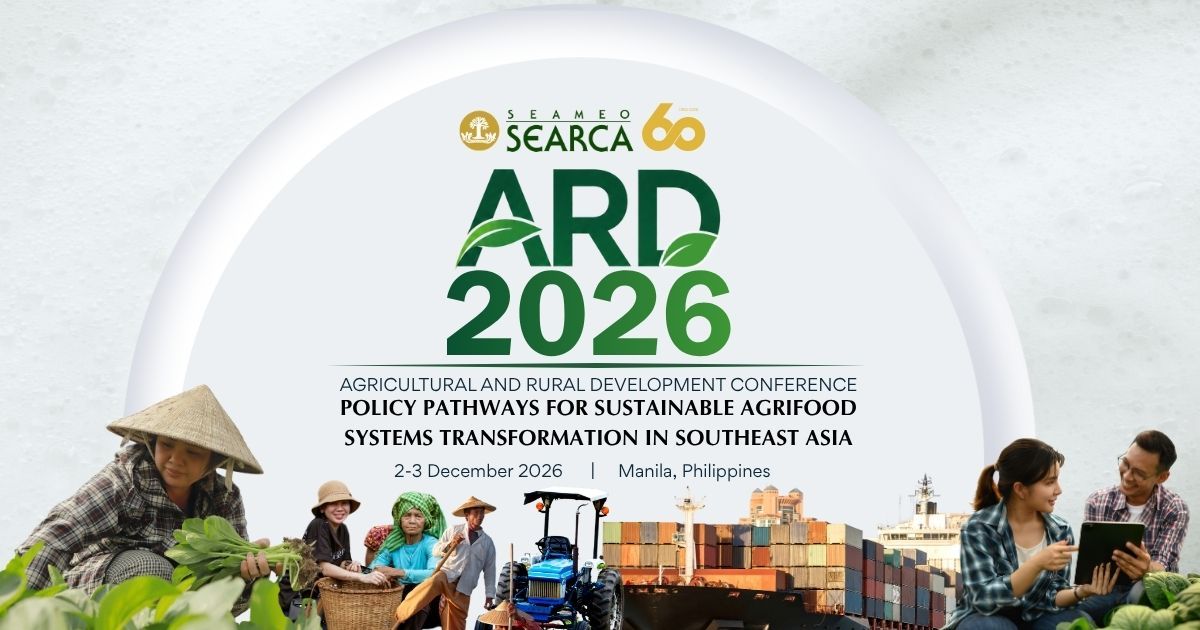
2–3 December 2026
Sheraton Manila Hotel at Newport World Resorts, Pasay City, Philippines
Agricultural and Rural Development (ARD) Conference 2026

Background and Rationale

Southeast Asia's agrifood systems are at a decisive juncture. For decades, agriculture and rural development have underpinned economic stability, food and nutrition security, and social cohesion across the region. They have sustained livelihoods, supported structural transformation, and provided a critical safety net for millions. Yet the sector is now facing converging pressures: intensifying climate risks, environmental degradation, aging demographics, land tenure and governance, globalization of markets, and recurrent global shocks that disrupt food and input supply chains. These challenges expose persistent vulnerabilities in income security, nutrition outcomes, resilience, and institutional capacity, particularly among smallholder farmers, women, youth, and rural communities.

At the same time, transformative opportunities are emerging through digital technologies, data systems, climate finance, and innovation ecosystems. Harnessing these requires decisive policy actions aligned with global commitments such as the Sustainable Development Goals (SDGs), the Paris Agreement, and the Kunming-Montreal Global Biodiversity Framework.
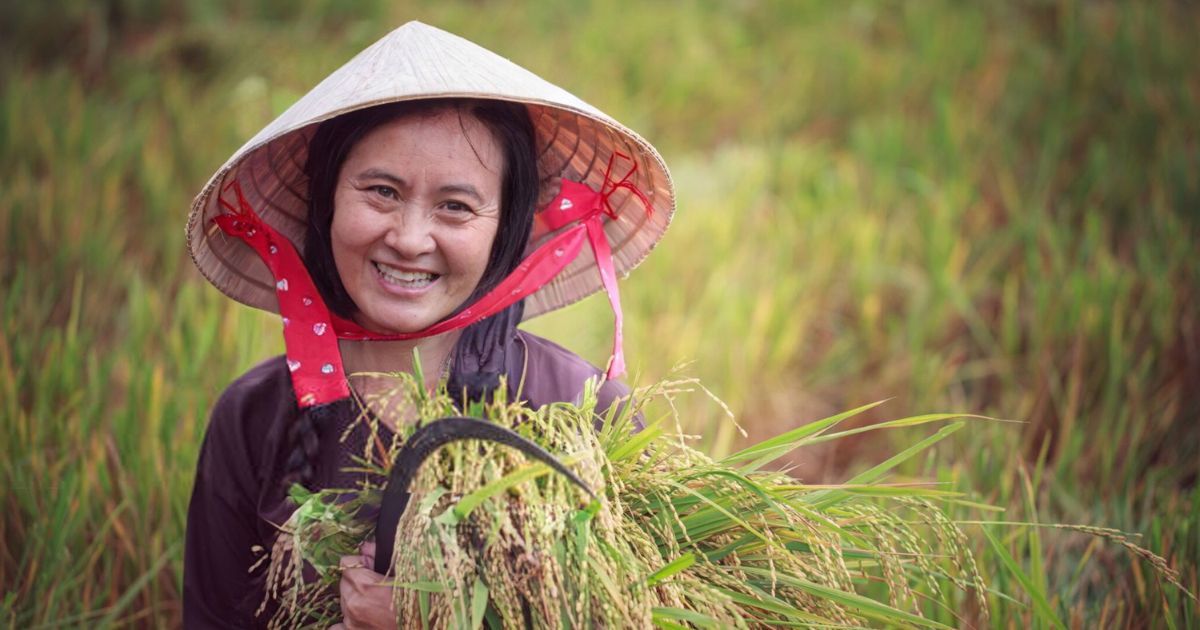
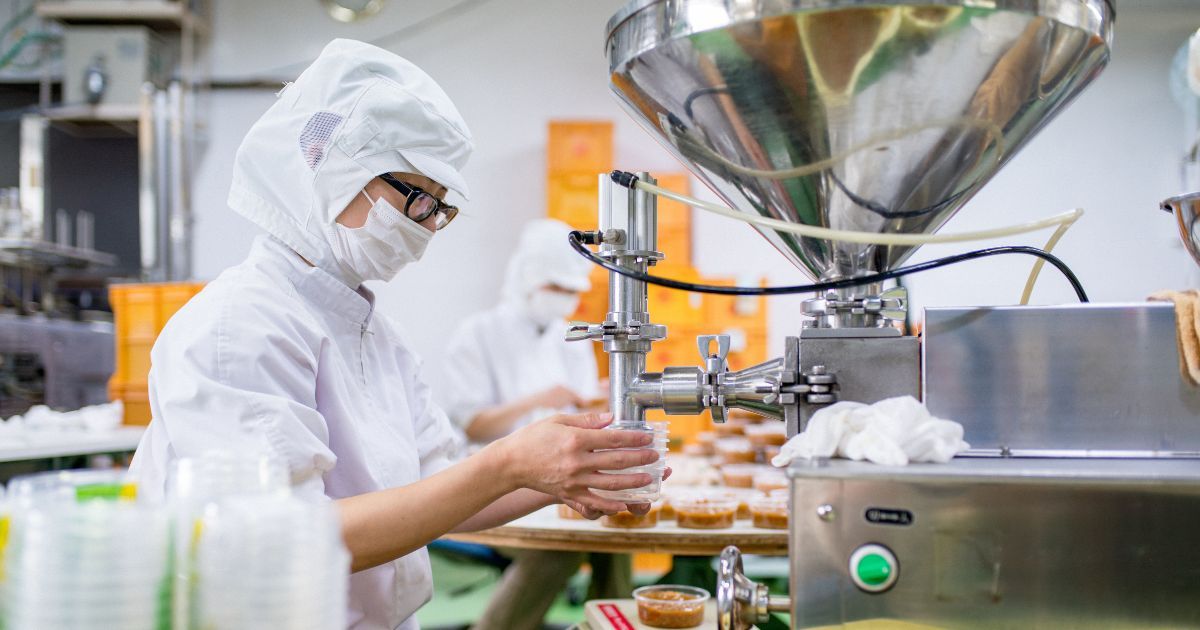
The ARD Conference 2026 is being organized to gather experts to deliberate on these challenges and opportunities towards identifying the needed appropriate strategies to transform agrifood systems into modern, resilient, inclusive, and sustainable enterprises for more secure global and regional food and nutrition security. Building on the intellectual legacy of earlier regional ARD conferences, this flagship event, convened for SEARCA's 60th Anniversary, will move beyond diagnosis to co-creating actionable solutions. Anchored on SEARCA's 12th Five-Year Development Plan with its Sustainable Transformation of Agricultural Systems through Innovation in Southeast Asia (SUSTAIN Southeast Asia)'s agenda, and its 4Ps outcomes — Pocket, Plate, Place, and People — the Conference will chart a collective vision for agrifood systems transformation that is holistic, market-driven, and environmentally conscious.

By convening governments, researchers, development partners, the private sector, civil society, and farmers, the Conference will generate actionable policy recommendations, drive partnerships, and set commitments that are better aligned to complex ground realities and vulnerabilities, thereby positioning Southeast Asia to lead globally in shaping sustainable, future-ready agrifood systems.
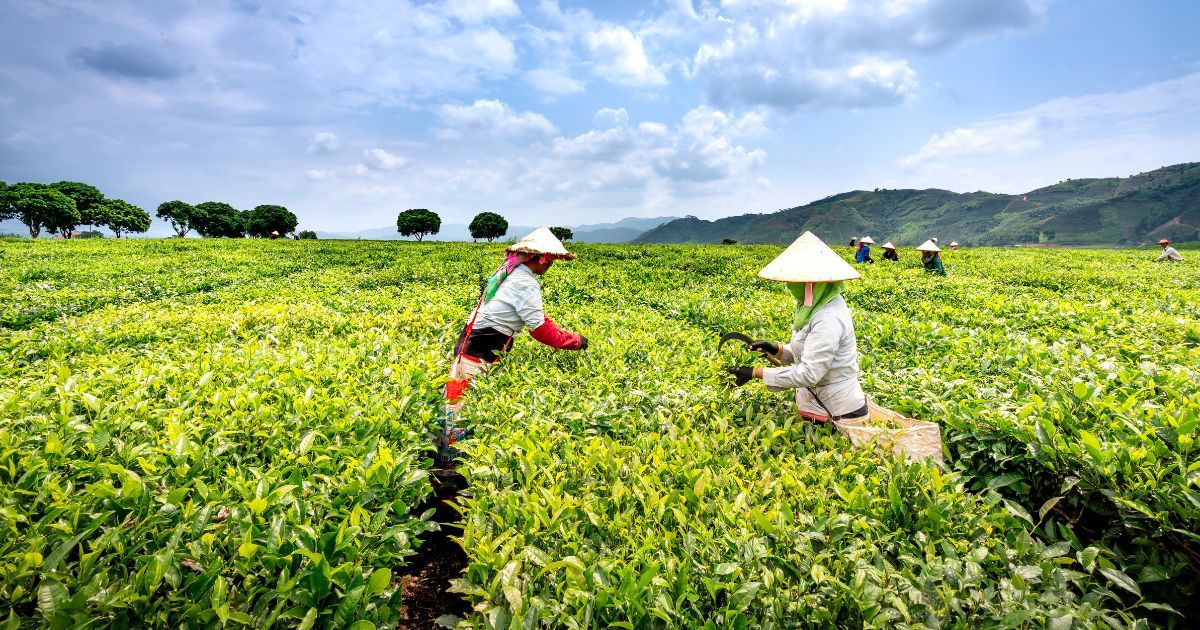
Agricultural and Rural Development (ARD) Conference 2026

Objectives of the Conference

The ARD Conference 2026 will serve as a regional platform to define the future of agrifood systems transformation.

Specifically, the Conference will:

1.

Review progress and identify evidence-based, scalable solutions to accelerate agrifood systems transformation, while mobilizing stronger support mechanisms for implementation.

2.

Align diverse policies, investments, and actions into cohesive, synergistic strategies that leverage comparative strengths and maximize collective impact.

3.

Strengthen regional collaboration and peer learning to understand and address shared challenges.

Expected Outputs

The Conference will deliver outcomes that go beyond dialogue, positioning Southeast Asia to act decisively on agrifood systems transformation, and will generate the following outputs:

White Paper

A policy document that synthesizes evidence, insights, and recommendations into a coherent regional agenda for action. This white paper will identify priority policy reforms, innovative investment strategies, and strategic partnership opportunities to accelerate the transformation of Southeast Asia's agrifood systems.

Conference Proceedings

A comprehensive documentation of the Conference's opening messages, keynote addresses, plenary presentations, panel discussions, fireside chats, and major deliberations. The Proceedings will capture the evidence presented, highlight key discussion points, distill emerging issues, and showcase practical experiences, and recommendations.

Intended Participants

The Conference will convene stakeholders whose collective engagement is essential to shaping the future of agrifood systems in Southeast Asia. Their participation will reflect the breadth of actors driving transformation across policy, research, enterprise, and society.
Government Leaders and Policymakers

Senior officials from relevant national and local agencies/ministries, regional bodies, and regulatory institutions.

International and Regional Organizations

Representatives from international and regional developmental organizations working on agrifood systems and rural transformation in the region.

Academic and Research Institutions

Experts and researchers from leading universities and other higher education institutions, and national and regional research organizations specializing in agriculture and related fields.

Private Sector and Agribusiness

Leaders and practitioners from multinational corporations, agribusinesses, financial institutions, and agri-tech companies committed to inclusive enterprise models and investment partnerships.

Civil Society and Community Networks

Farmer organizations, cooperatives, women and youth groups, and non-governmental organizations (NGOs) working at the intersection of agriculture, nutrition, and resilience.

Plenary Session Themes

The Conference will be organized around four themes, aligned with SEARCA's SUSTAIN Southeast Asia agenda and its intended outcomes:

Theme 1

Strengthening inclusive agrifood value chain, expanding access to finance, and market opportunities

This theme will examine how inclusive agrifood value chains can drive rural/structural transformation, enhance competitiveness, and generate sustainable economic opportunities across Southeast Asia. Discussions will focus on market integration, innovative financing, agribusiness development, and the participation of smallholder farmers and rural enterprises in domestic and regional markets. The session will identify priority policy reforms and investment strategies to build resilient, competitive, and inclusive agrifood markets.

Theme 2

Promoting nutrition sensitive agrifood system transformation and healthy diets

This theme will explore how agrifood systems can be transformed to deliver healthier diets while strengthening food and nutrition security across Southeast Asia. Discussions will emphasize nutrition-sensitive agriculture, food safety, sustainable food production, resilient food value chains, and strategies to reduce food loss and waste. Recognizing that improved nutrition outcomes require cross-sectoral action, the session will highlight integrated policies across agriculture, health, education, and social protection to create healthier food environments and ensure equitable access to safe, nutritious, and sustainable diets.

Theme 3

Accelerating transition toward climate-resilient, inclusive and nature-positive systems

This theme will examine how Southeast Asia can accelerate the transition toward agrifood systems that are climate-resilient, inclusive, and nature-positive, enhancing food security while safeguarding ecosystems and rural livelihoods. Discussions will emphasize climate adaptation strategies, regenerative and resilient agriculture (RRA), ecosystem-based approaches, biodiversity conservation, sustainable terrestrial and aquatic food systems, climate risk analytics, and low-emission development pathways. The session will also consider policy and institutional reforms needed to mobilize climate finance, strengthen resilience, and align regional transition with global climate and biodiversity commitments.

Theme 4

Leveraging digital innovation to empower farmers, youth and women to boost agricultural productivity

This session will highlight how digital technologies, artificial intelligence, innovation ecosystems, and modern agricultural education can transform agrifood systems by empowering farmers, youth, and women as active drivers of change. Discussions will emphasize accelerating digital technology adoption, strengthening digital skills and future-ready human capital, promoting entrepreneurship and innovation, and developing enabling governance and policy and institutional frameworks for responsible digital transformation. The session will identify collaborative strategies to advance research, education, extension, and innovative systems that boost productivity, resilience, inclusion, and regional competitiveness.

Conference-at-a-Glance

Tentative Program

First Day – 2 December 2026 (Wednesday)

TimeProgram
8:30–9:00 a.m.
Registration
9:00–10:45
Opening Session
  • Welcome Remarks
  • Message of Support
  • Keynote Address 1: Making Agrifood Systems Better Deliver Southeast Asia’s Future Food
  • Keynote Address 2: Youth, Diplomacy, and Policy Pathways for Agrifood Systems Transformation
10:45–12:15
Plenary Session 1

Strengthening inclusive agrifood value chain, increasing access to finance, and expanding market opportunities

1:30–2:30 p.m.
SEARCA Exhibit Viewing
2:30–4:00
Plenary Session 2

Promoting nutrition sensitive agrifood system transformation and healthy diets

4:15–5:15
Fire Side Chat

Innovations in ARD across the Southeast Asian Region

7:00
Welcome Dinner / Partners' Night

Second Day – 3 December 2026 (Thursday)

TimeProgram
8:00–8:30 a.m.
Registration
8:30–9:00
Keynote Address
9:00–10:30
Plenary Session 3

Accelerating transition toward climate-resilient, inclusive and nature-positive systems

10:45–12:05
Plenary Session 4

Leveraging digital innovation to empower farmers, youth and women to boost agricultural productivity

12:05–12:35
Closing Session
  • Presentation of Conference Synthesis and Policy Messages (From Evidence to Action: Policies, Investments, and Partnerships)
  • Closing Remarks