The first warning sign of a zoonotic disease is not always a hospital case. It may be a sick pig in a backyard pen, a dead chicken in a small poultry shed, a bat roost disturbed by land-use change, or an informal animal movement that no one recorded. By the time a disease reaches a clinic, the opportunity for quiet prevention may already have narrowed. World Zoonoses Day, observed every 6 July, is a reminder that many outbreaks begin at the human-animal-environment interface, and that prevention must begin there as well.
The date commemorates the first successful administration of a rabies vaccine by Louis Pasteur on 6 July 1885. Its modern relevance is broader. The Food and Agriculture Organization of the United Nations (FAO) notes that around 60 percent of infectious diseases and up to 75 percent of emerging infectious diseases are zoonotic in origin. These numbers explain why zoonotic risks cannot be treated as isolated veterinary or medical problems. They are systems problems that involve livestock, wildlife, land use, food handling, markets, transport, surveillance, public communication, and livelihoods.
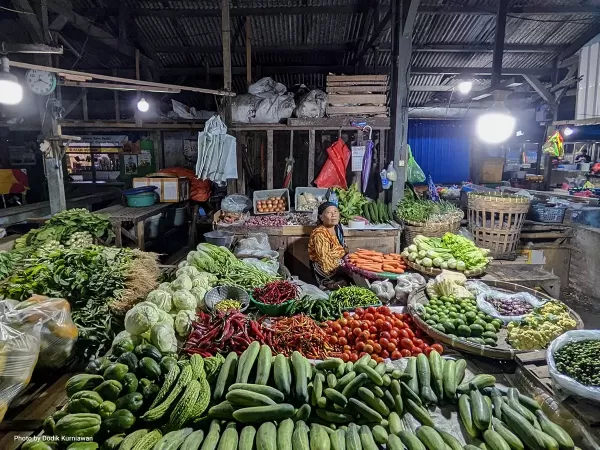
Southeast Asia sits at the center of many of these connections. The region has dense human populations, dynamic livestock and poultry sectors, rich biodiversity, live animal markets, expanding peri-urban food demand, and smallholder systems where animals often serve as food, savings, fertilizer sources, and family assets. Zoonotic disease is not inevitable, but preventing it becomes more difficult when animals are raised, transported, sold, slaughtered, and monitored under unsafe or poorly controlled conditions.
The first line of defense is good farm biosecurity. Keeping disease out of a farm starts with everyday discipline. Farmers need to know who and what is coming onto the property, keep newly purchased or sick animals away from the rest, and regularly clean pens, tools, and equipment. Manure should be handled and disposed of properly, and new animals should come from sources with a sound health record. Vaccination is best guided by a veterinarian, while any unusual illness or sudden deaths should be reported immediately to help stop an outbreak before it spreads. These may sound simple, but adoption depends on cost, habit, trust, space, labor, and incentives. A smallholder cannot always implement the same biosecurity model as a commercial farm. Good prevention must therefore be technically sound and socially realistic.
Surveillance is the second layer. Disease detection must be fast enough to matter, but also trusted enough for farmers to report. If reporting leads only to blame, stigma, or uncompensated losses, farmers may hide problems. If reporting leads to advice, fair response, and community protection, surveillance becomes a shared defense. This is why risk communication and institutional trust are as important as laboratory capacity. People report early when they believe the system will help them, not punish them.
The third layer is One Health collaboration. The World Health Organization (WHO) describes One Health as an approach in which multiple sectors communicate and work together to achieve better public health outcomes, especially for shared threats at the human-animal-environment interface. In practice, this means veterinarians, physicians, epidemiologists, ecologists, local governments, farmers, market actors, educators, and communities must share information before a crisis forces them to cooperate. Prevention is not only about having the right experts. It is about making those experts work together in time.
This is the spirit behind the Africa, Southeast Asia, and the Caribbean (ASEACA) program, part of the PREZODE in Action in the Global South (PREACTS) program under the PREventing Zoonotic Disease Emergence (PREZODE) initiative. ASEACA focuses on preventing zoonotic disease emergence through an integrated One Health approach, including risk assessment, risk reduction, community-based surveillance, and capacity building. Launched in March 2026, the program includes work in Southeast Asia, with the Philippines and Vietnam among the target countries. For SEARCA, involvement in such efforts fits naturally with its mandate in education, research, institutional development, and knowledge sharing for resilient agri-food systems.
SEARCA has also helped surface zoonotic and livestock disease issues through learning platforms. The SEARCA Online Learning and Virtual Engagement (SOLVE) webinar on livestock diseases and zoonoses discussed surveillance systems, biosecurity measures, African swine fever, and emerging infectious diseases. These knowledge events matter because biosecurity is not only a technical checklist. It is a behavior-change challenge. Farmers, traders, veterinarians, and local officials need shared language, shared risk understanding, and practical options that match their contexts.
For Southeast Asian food systems, zoonotic risk prevention should be embedded in ordinary agricultural development. A stronger livestock sector is not built on higher output alone. Good animal health is where prevention begins. Animals need proper care, and any sign of illness must be detected early before it spreads through the herd or flock and reaches nearby communities. The same attention is needed after animals leave the farm. Clean markets, safe handling, and clear product records all help protect consumers. Land-use and climate decisions also have a role to play, particularly in areas where habitat loss is bringing wildlife, livestock, and people into closer contact. These risks therefore need to be considered in land-use and climate planning. On the ground, farmers need biosecurity measures they can realistically afford and carry out with the resources available to them. School and community programs should make One Health understandable beyond technical circles.
Food safety also belongs in the conversation. Consumers often encounter zoonotic risks through the food chain: meat, eggs, milk, fish, or fresh produce contaminated through poor handling or unsafe water. Prevention therefore continues from farm to transport, slaughter, processing, retail, and household preparation. The value chain is only as safe as its weakest practices.
The goal is not to frighten farmers or consumers. It is to make prevention normal. Most zoonotic risk reduction does not require dramatic action every day. It requires consistent habits, responsive institutions, and better coordination. A clean pen, a reported case, a trained village animal health worker, a functioning cold chain, a trusted laboratory, and a local government that knows whom to call can all be part of the same prevention system.
World Zoonoses Day should therefore be read as a food-systems observance as much as a health observance. It reminds Southeast Asia that the safety of people, animals, ecosystems, and food cannot be separated. Outbreak response will always be necessary, but the wiser investment is prevention before emergence. In the farmyard, the market, the forest edge, the laboratory, and the classroom, One Health begins long before the headlines.