Food in Southeast Asia is never just food.
It is family, memory, place, livelihood, and culture. It is rice cooked daily, fish dried or fermented, vegetables from home gardens, fruits from tropical orchards, herbs gathered from backyards, and recipes shaped by landscape, migration, trade, and tradition.
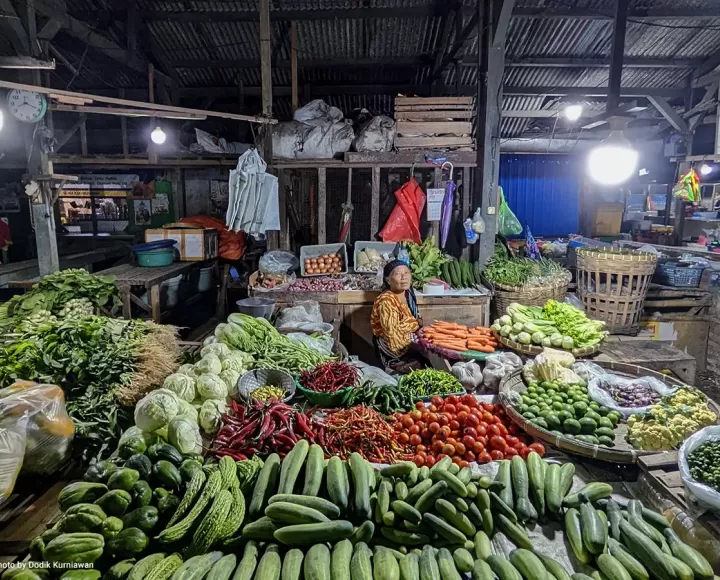
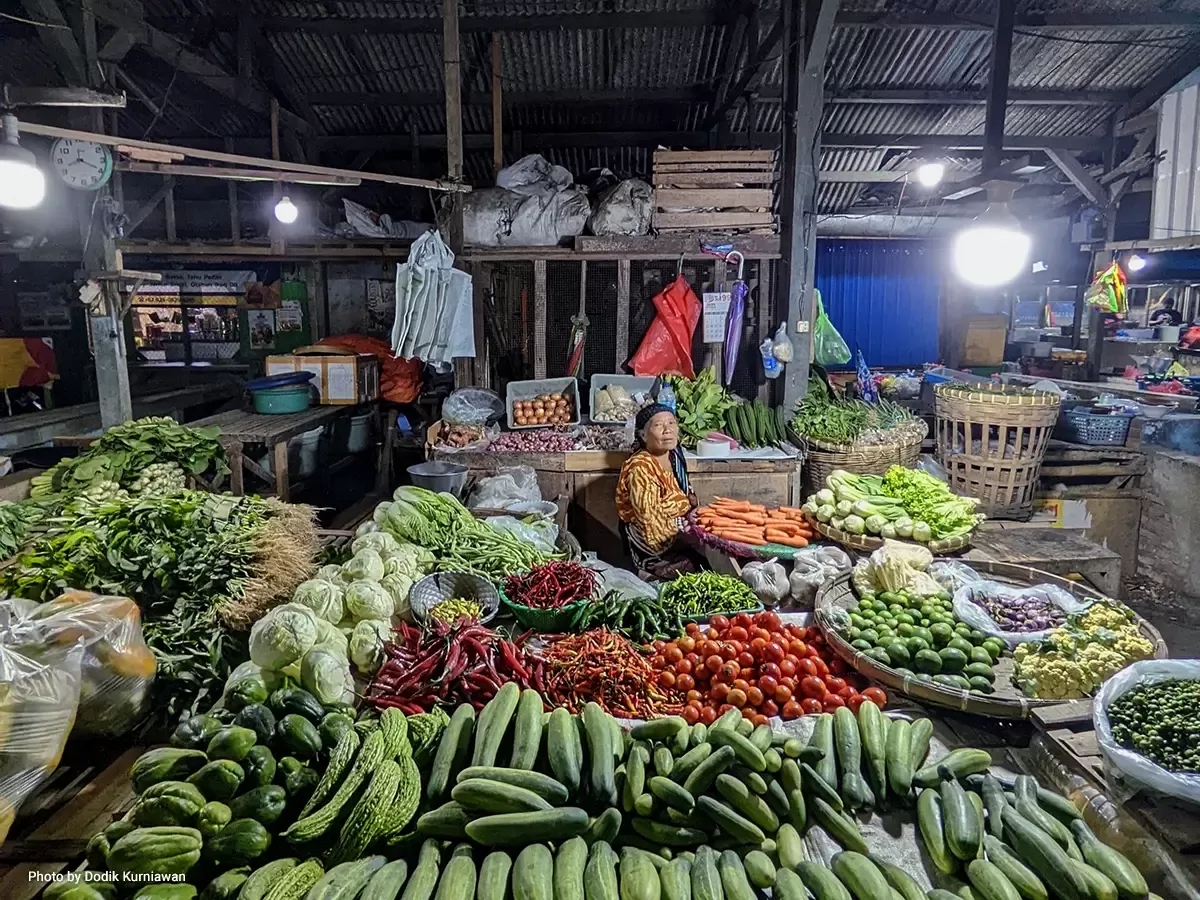
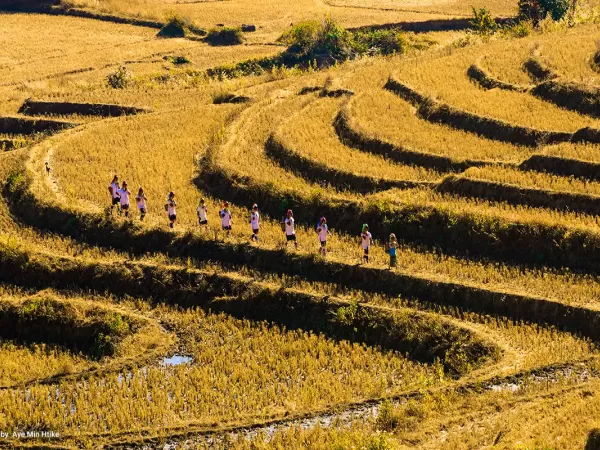
Sustainable Gastronomy Day invites us to look at food in this fuller sense. It reminds us that food does not begin on the plate. It begins with the crops, waters, markets, and hands that bring a meal together.
For Southeast Asia, this is a powerful entry point. Food culture can help support sustainable farming, biodiversity, nutrition, rural enterprise, and local livelihoods—if it is valued and connected to the people who produce it.
Food culture can protect diversity
Local varieties are more likely to survive when people still cook with them, ask for them in markets, and pass them on through everyday food traditions. This diversity is not only culinary. It is agricultural.
When communities value local and seasonal foods, farmers have more reason to maintain diverse crops. Local varieties are less likely to be lost when they are still sold in markets and used as traditional ingredients in everyday meals. When Indigenous and community food knowledge is respected, it can also support biodiversity and climate resilience.
The opposite is also true. If diets narrow, markets narrow. If markets narrow, farmers may be pushed toward fewer crops and more fragile production systems.
Sustainable gastronomy can help keep diversity alive by making local food visible, desirable, and economically meaningful.
Sustainable diets must be accessible
It is easy to talk about sustainable food as if it were only a lifestyle choice. But for many families, food decisions are shaped by price, time, availability, income, and convenience.
A sustainable diet must also be an accessible diet. Nutritious local food should not become a luxury. Farmers and fishers should be paid fairly, but consumers should also be able to afford safe and healthy food. It is not enough to tell families to eat more sustainably. The food has to be available, affordable, and part of everyday life. Producers need ways to move, store, process, and sell what they grow. Schools and community programs can also help bring local food closer to children and families—not as an abstract idea, but as something they grow, prepare, and eat. Policies also need to treat agriculture and nutrition as part of the same story, because healthy meals begin with the people, places, and systems that produce them.
SEARCA's School-plus-Home Gardens cum Biodiversity Enhancement and Enterprise (SHGBEE) brings this idea into everyday spaces. Through school and home gardens, it connects children's learning with what families grow and what communities eat. It also brings biodiversity, nutrition, small enterprise, and climate resilience into places people already know—in gardens, kitchens, schools, and local markets.
That connection matters for sustainable gastronomy. Food culture is not only found in recipes or special dishes. It lives in the ingredients people continue to plant, cook, and share; in the knowledge passed on at home and in communities; and in the small producers who keep local food traditions alive.
From local ingredients to local enterprise
Sustainable gastronomy can also open livelihood opportunities.
Local food can open real livelihood opportunities. Community products, farm visits, traditional recipes, local branding, and small-scale processing can help rural families earn more from what they grow and make.
But food culture has to be handled with care. It should not be packaged for visitors while the farmers, fishers, cooks, and communities behind it are left out of the value it creates. The people who grow, fish, cook, preserve, and pass on these traditions should also benefit from the value being created.
That is where local partnerships matter. Farmers, local governments, schools, chefs, tourism offices, universities, and development organizations can help connect food traditions with real support—better enterprises, safer handling, nutrition education, and sourcing practices that respect both producers and the environment.
Respecting food also means wasting less
Sustainable gastronomy is not only about what people eat, but also about how carefully food is used.
Long before "food waste reduction" became a modern concern, many Southeast Asian food traditions already found ways to make food last longer and use more of what was available. Drying fish, fermenting vegetables, smoking meat, pickling fruits, saving peels or leaves for other dishes, and making use of different parts of a plant or animal all reflect that practical wisdom.
Modern food systems can build on this, not replace it. Better postharvest handling, packaging, storage, and market information can help carry the same idea forward: food should be valued, protected, and used well.
A food future rooted in place
Southeast Asia does not need to copy another region's idea of sustainable eating. It has its own food cultures, landscapes, ingredients, and knowledge systems.
The opportunity is to make these assets part of a more sustainable food future. That starts with giving local crops a real place in markets and meals, making sure small producers are not left out, connecting agriculture more closely with nutrition, and finding better ways to use food without wasting so much of it. Young people also need to see food and farming as meaningful work—work that can involve creativity, enterprise, culture, science, tourism, and care for communities.
Every meal carries more than ingredients. Every meal has people and places behind it—from the land and water that produced it to the hands that brought it forward and the traditions that made it meaningful. Sustainable gastronomy begins when those connections matter again.