Food safety is often imagined as something that begins in the kitchen. We think of washing hands, cooking food properly, checking expiry dates, and keeping raw and cooked food apart.
All of that matters. But food safety begins much earlier.
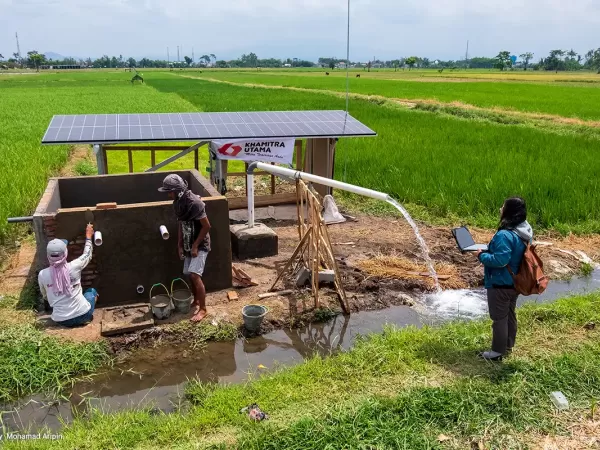
It begins with water used on farms. It begins with how crops are grown, how animals are raised, how fish are handled, how pesticides are applied, how produce is harvested, and how food is transported, stored, processed, and sold.
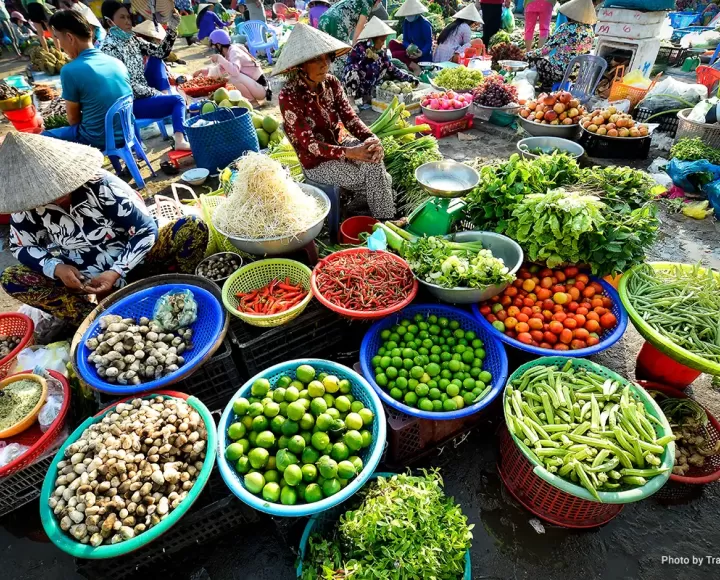
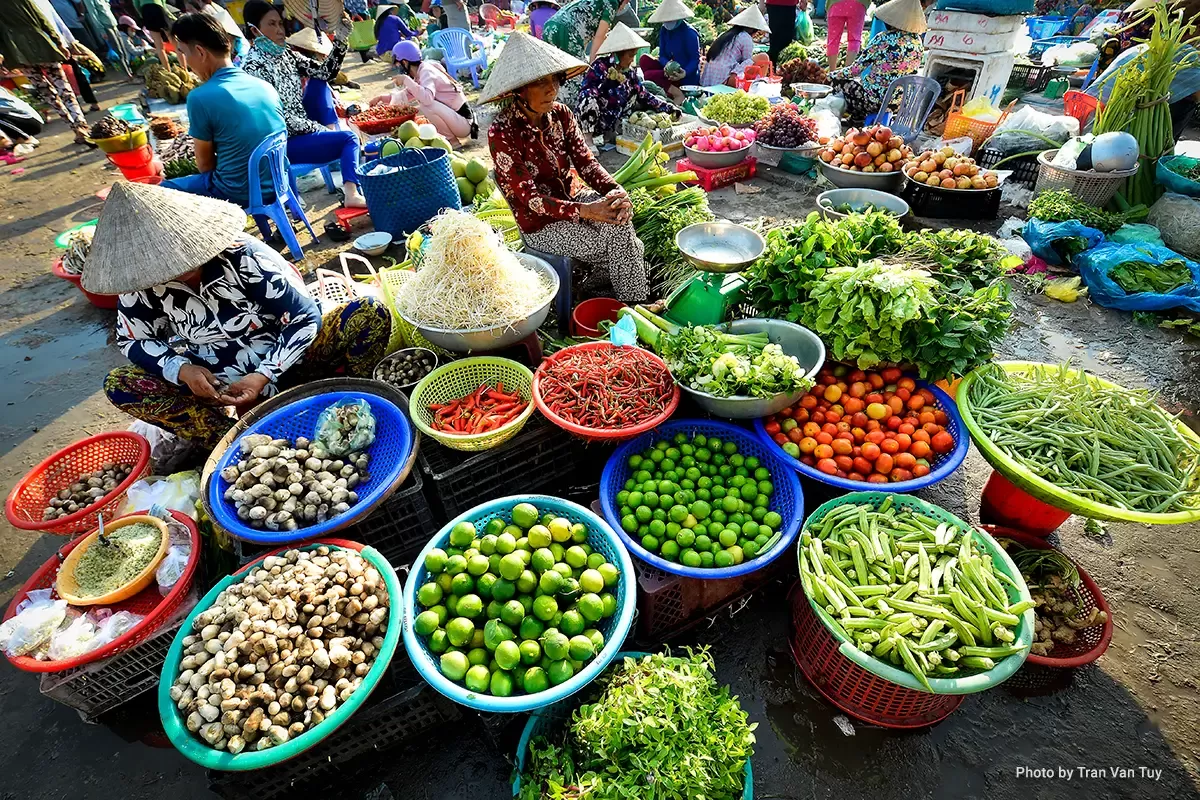
For Southeast Asia, this is especially important. The region's food systems are tropical, diverse, fast-moving, and increasingly complex. Fresh produce, fish, meat, grains, and processed foods may pass through many hands before reaching consumers. Every step can protect food—or expose it to risk.
Food safety is more than a health issue
Unsafe food harms health, but the damage does not stop there. Unsafe food affects more than health. It can mean missed school days, lost work, lower income, weaker tourism, disrupted exports, and less trust in local food systems.
For small farmers and food enterprises, it can also decide which markets are within reach. Buyers increasingly look for food that is not only available and affordable, but also safe, well-handled, and consistently reliable. When small producers lack proper facilities, cold storage, testing, packaging, or documentation, they may be shut out of higher-value markets.
That makes food safety a development issue. A fair food safety system should protect consumers while helping small producers meet standards in realistic and affordable ways.
The riskiest points may come after harvest
Many food safety problems emerge after food leaves the farm. After harvest, food can become unsafe in very ordinary ways: grains that are not dried well, produce that is bruised, fish or meat left too long without cooling, containers that are not clean, packaging that is damaged, or transport that takes too many hours.
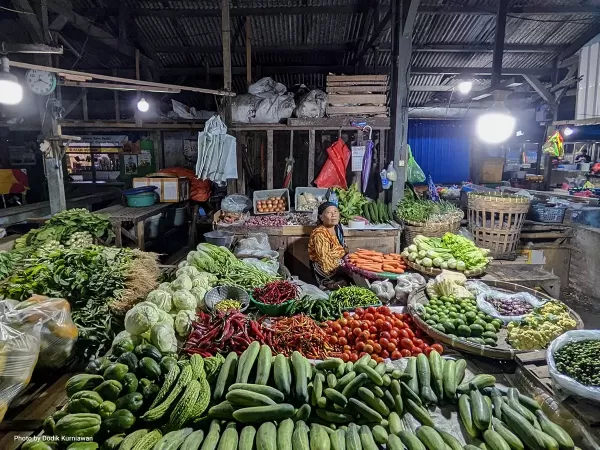
In Southeast Asia's heat and humidity, these problems can build up quickly. Flooding, power cuts, and crowded markets with limited facilities can make safe handling even harder.
This is why postharvest systems are food safety systems.
Through its work in graduate education and knowledge sharing, the Southeast Asian Regional Center for Graduate Study and Research in Agriculture (SEARCA) has helped draw attention to why postharvest management matters in building more sustainable agrifood supply chains. SEARCA's Special Graduate Seminar on Postharvest Management in February 2026 discussed research on reducing losses and improving handling in agrifood value chains. These are not only productivity concerns. They also matter for quality, safety, income, and consumer confidence.
Safer food needs practical support
Food safety messages often focus on what people should do. But producers and processors also need the means to do it.
Safe food depends on everyday conditions that many producers do not fully control.
Farmers, fishers, traders, processors, local governments, and consumers all have a role to play, but they also need the right support. Safe food depends on everyday conditions that many producers do not fully control. A farmer cannot use safer practices without clean water, reliable inputs, and advice that reaches the field.
Keeping food safe is much harder when the basics are out of reach. Fishers and traders may want to keep their catch fresh, but that depends on simple things such as clean containers, enough ice, proper storage, and transport that does not leave fish exposed to heat for too long. Small processors may already know what good hygiene requires, but many have to make do with cramped workspaces, unreliable electricity, and equipment that costs more than they can afford.
Local governments also have a part to play. When markets have cleaner facilities and inspections are done regularly and fairly, food safety becomes easier to practice and not just something people worry about when there is a violation. Consumers need clear guidance, too, but food safety should not become another burden placed mainly on small producers when many risks come from the system around them.
Technology can help, but it has to fit the realities of farms, landing sites, markets, and small processing spaces.
From burden to solutions
The 2026 World Food Safety Day theme, "From burden to solutions – safe food everywhere," points to the right direction. Food safety should not be treated only as a problem discovered after something goes wrong. It should be designed into food systems from the beginning.
For Southeast Asia, this means linking food safety with agriculture, nutrition, postharvest management, enterprise development, and public health. It means helping small producers become part of safer value chains. It means treating safe food as both a consumer right and a livelihood opportunity.
Food safety begins on the farm, but it is protected by everyone along the chain.