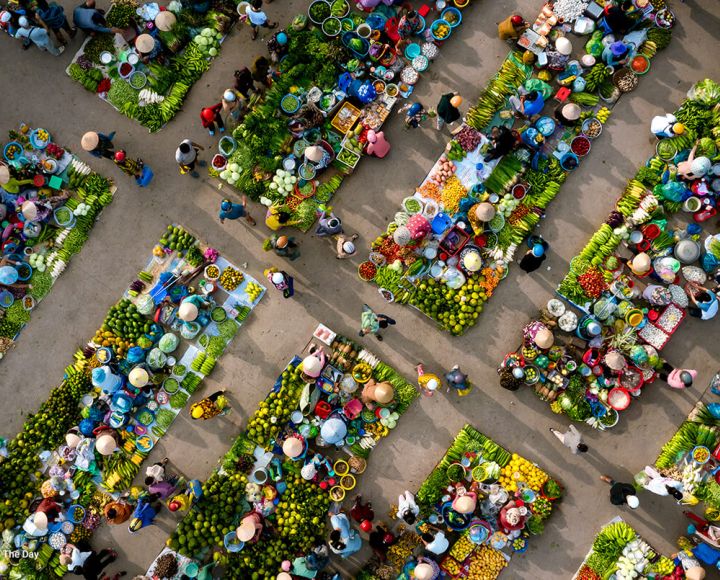
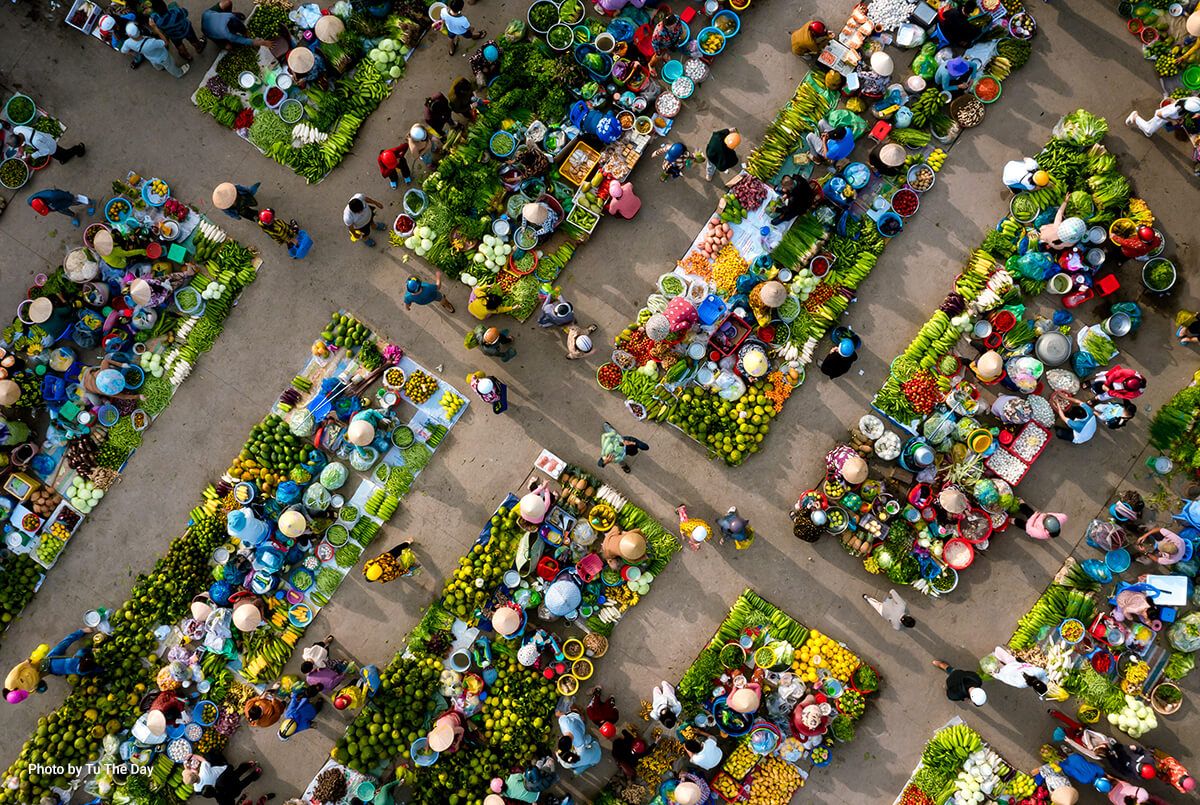
World Population Day often begins with a number. How many people live in the world? How fast is a country growing? When will a population peak? These questions matter, but for agriculture, the deeper issue is not only population size. It is how population change reshapes food demand, labor, land, markets, nutrition, and public expectations. In Southeast Asia, the future of food will be determined not simply by producing more, but by producing differently.
The 2026 World Population Day theme, "Realizing the hopes and aspirations of young people, today and for the future," places youth at the center of demographic conversations. For agri-food systems, this is fitting. Young people are both consumers and potential innovators. They are part of the urban demand that is changing food markets, and they are also the workforce that could modernize farming, food processing, logistics, retail, and nutrition services if agriculture becomes a viable future for them.
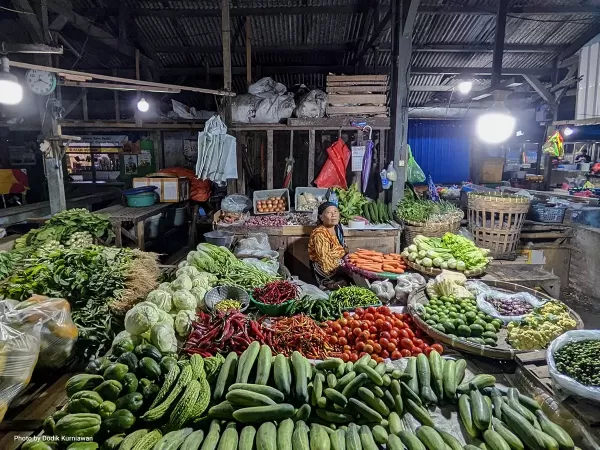
Southeast Asia's food challenge is shaped by three linked trends. First, the region continues to have a large and diverse population that needs affordable, safe, and nutritious food every day. Second, urbanization is changing diets and supply chains. As more people live in cities, food must travel farther, stay fresh longer, and meet higher standards for convenience, safety, and consistency. Third, climate change and resource pressure are making production less predictable at the same time that demand is becoming more demanding.
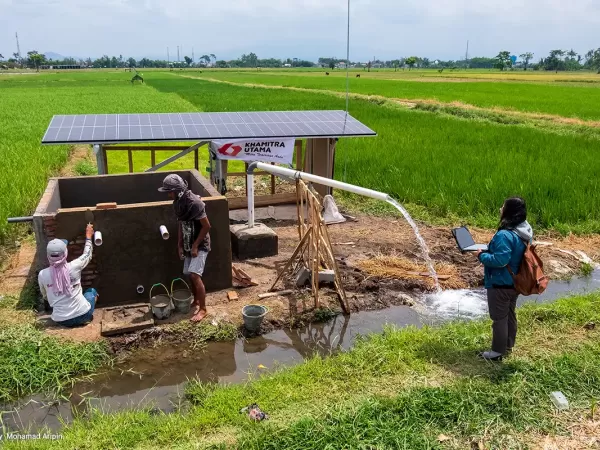
The response cannot be limited to expanding production area. Land is finite, water is contested, soils are stressed, and biodiversity is under pressure. The more durable response is productivity with resilience. Farmers need climate-resilient varieties, better soil and water management, efficient postharvest systems, access to finance, and extension services that respond to local conditions. Food enterprises need better logistics, cold chains, traceability, and processing capacity. Consumers need access to healthy diets, not only cheap calories.
This shift is especially important because food security is not only about supply. A country may produce enough food in aggregate while some households still struggle to afford nutritious diets. Rural communities may grow food but lack income. Cities may have full markets but unequal access. Climate shocks may disrupt supply at the precise moment food prices are already sensitive. Population change therefore requires policy that connects production, nutrition, markets, livelihoods, and social protection.
Southeast Asia has no single agricultural pathway. The rice systems of mainland Southeast Asia, the island economies of Indonesia and the Philippines, the high-value horticulture sectors of Thailand and Vietnam, the aquaculture systems of the Mekong and coastal areas, and the mixed smallholder farms of upland communities each require different interventions. But the common direction is clear: farming must become more knowledge-intensive, more climate-aware, more market-connected, and more inclusive.
SEARCA's SUSTAIN Southeast Asia agenda provides one regional frame for this transition. It positions agricultural transformation around innovation that links research, technology transfer, policy, markets, capital, and capacity building. This matters for population-linked food demand because no single intervention can carry the system. A new crop variety needs extension and seed systems. A nutrition program needs local production and procurement. A digital tool needs connectivity, training, and trust. A food enterprise needs reliable supply and standards. Transformation requires alignment.
SEARCA's work on food and nutrition security also offers a useful bridge between research and regional need. The Umbrella Program on Food and Nutrition Security for Southeast Asia, or FANSSEA, was conceived as a platform for collaborative research on food security among University Consortium members and partner institutions. The value of such platforms lies not only in producing studies, but in helping universities and institutions ask better food-system questions together: What foods are needed? Who produces them? Who can afford them? What is lost along the chain? What policies make nutritious food easier to produce and access?
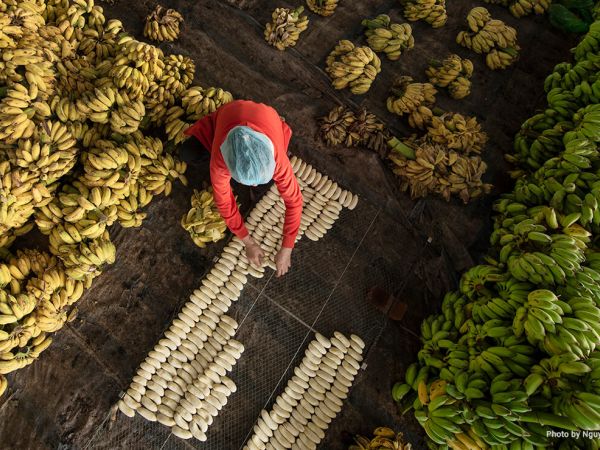
Population pressure also calls for reducing waste and loss. Producing more food will not be enough if harvests spoil, fish lose quality before reaching markets, vegetables are rejected because of poor handling, or processed foods fail safety standards. Investments in drying, cooling, storage, packaging, logistics, and local processing can make existing production go further. These are agricultural issues, enterprise issues, and nutrition issues at the same time.
The demographic future also depends on rural opportunity. If agriculture remains associated only with hard labor, low income, and high risk, young people will continue to leave it. But if agriculture is linked to technology, entrepreneurship, climate solutions, food innovation, and meaningful livelihoods, it can attract new talent. This is where education, training, and agri-innovation programs matter. Feeding a growing region will require farmers, yes, but also food scientists, logisticians, plant breeders, veterinarians, data analysts, cooperative managers, extension professionals, and policy leaders.
World Population Day should therefore push Southeast Asia beyond a simple question of "more food." The better question is: What kind of food system can nourish a changing region without exhausting the natural systems and rural communities that sustain it? The answer will require productivity, but also nutrition, resilience, inclusion, and innovation. A growing Southeast Asia can be fed, but only if agriculture changes in time.