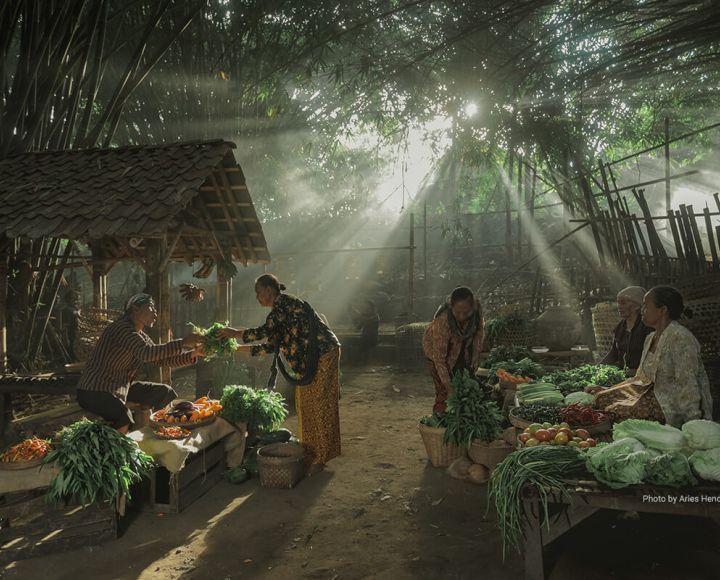
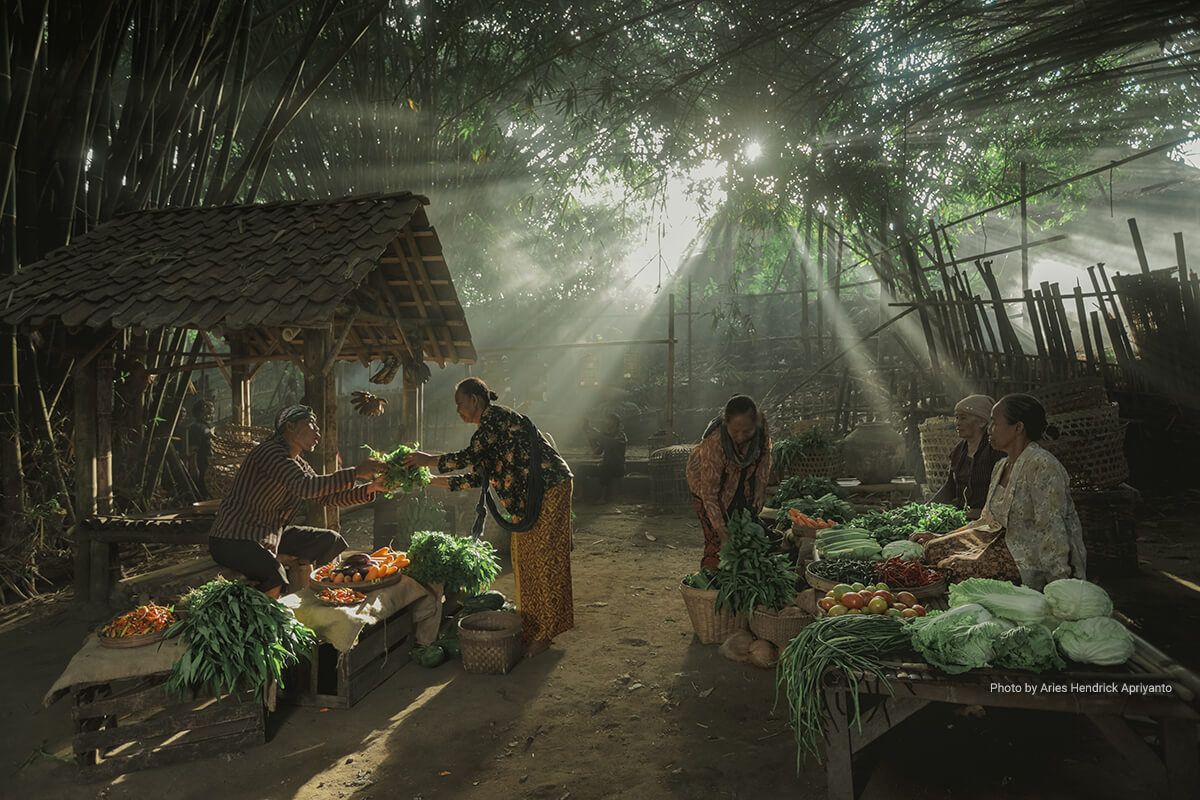
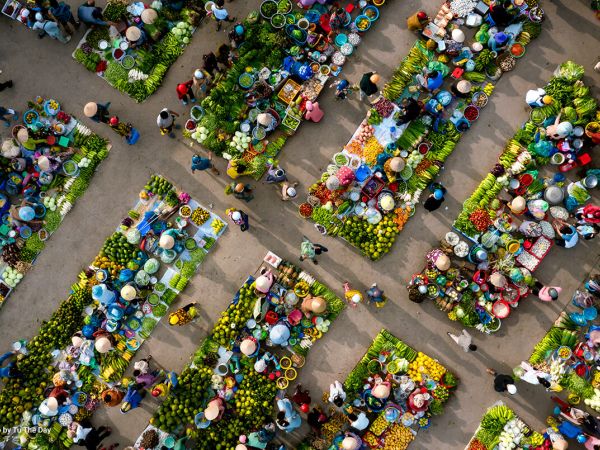
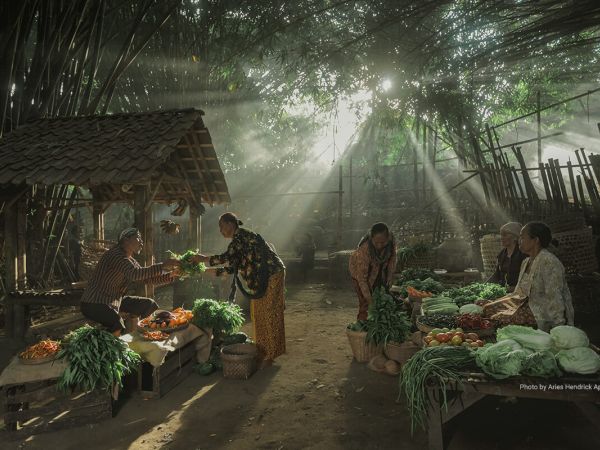
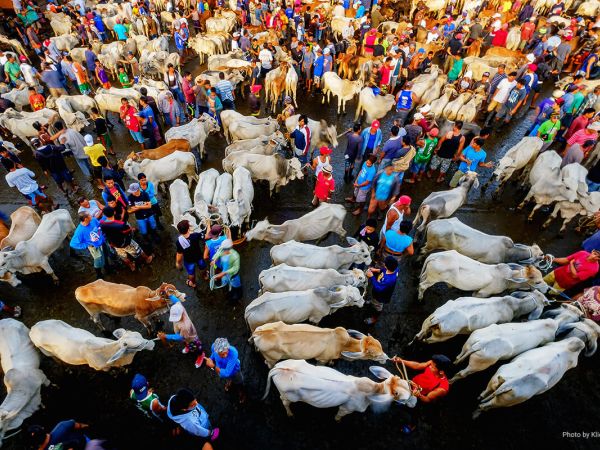
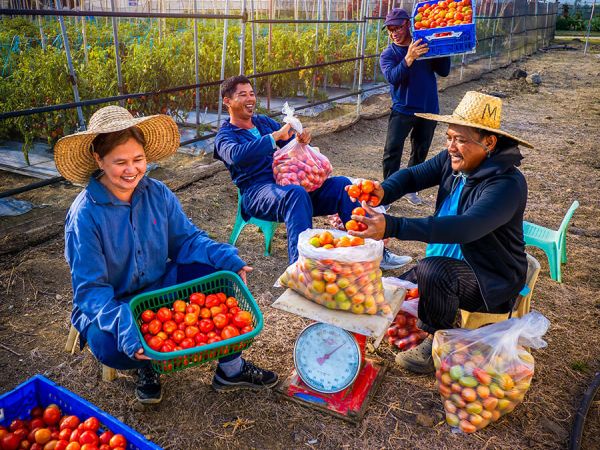
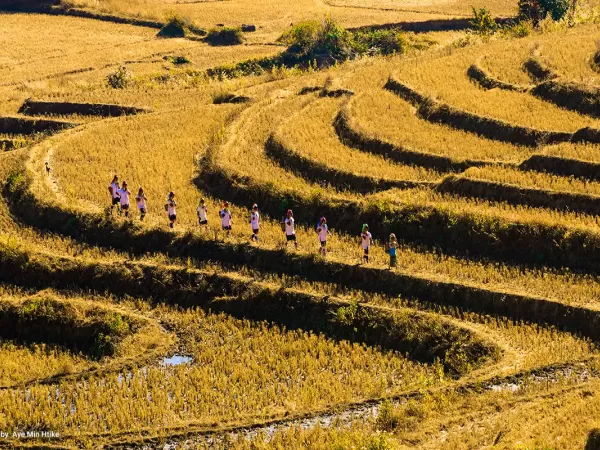
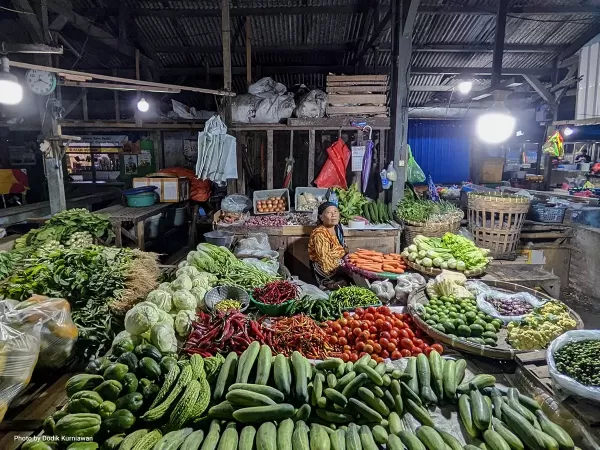
Before sunrise, long before food appears in a market stall, supermarket aisle, restaurant kitchen, or delivery app, the food system is already at work. A rice farmer checks the sky over a field in the Mekong basin. A fisher prepares a boat in an island community. A vegetable grower in an upland village sorts produce for a buyer who may arrive late. A livestock keeper watches for signs of heat stress or disease. Across Southeast Asia, these ordinary decisions form the beginning of an enormous economic and social system.
Yet the places where food systems begin often receive the least investment. Rural communities supply food, labor, water stewardship, biodiversity management, and much of the cultural knowledge that sustains agriculture. They also tend to face the longest distances to finance, extension services, health care, schools, reliable energy, digital connectivity, storage, processing facilities, and stable markets. Rural development is therefore not a side issue to food security. It is the foundation beneath it.
The United Nations designated 6 July as World Rural Development Day to highlight the importance of rural transformation to achieving the Sustainable Development Goals. For 2026, the theme "Financing the First Mile of Food Systems" brings the central challenge into sharp focus. The first mile is where production starts and risk accumulates: on farms, in fishing grounds, forests, village enterprises, local collection points, and the roads that connect them. It is also where capital is most scarce and where a relatively modest investment can change whether a family merely survives a season or builds a viable livelihood.
In Southeast Asia, the rural first mile is extraordinarily diverse. It includes irrigated rice plains and rainfed uplands, plantation landscapes and mixed family farms, delta communities and remote islands, inland fisheries and coastal aquaculture, forest edge villages and rapidly changing peri-urban zones. The constraints differ from place to place, yet a common pattern remains, with producers expected to bear the earliest and often greatest risks while receiving the smallest share of the final value.
A farmer pays for seed, fertilizer, labor, water, fuel, and transport months before earning from a harvest. A fisher invests in gear and fuel without certainty about weather, catch, or price. A rural processor needs working capital before products can be dried, milled, packed, chilled, or transported. Conventional lenders may see these activities as too seasonal, too dispersed, or too vulnerable to climate and market shocks. The financing gap is not marginal. Recent World Bank work estimates unmet annual financing needs globally at about US$170 billion for smallholder farmers and US$106 billion for agricultural small and medium enterprises.
Closing that gap does not mean offering more of the wrong debt. Rural finance must fit agricultural cash flows and actual production cycles. Seasonal loans, patient capital, savings products, weather-responsive insurance, credit guarantees, warehouse receipt systems, blended finance, and responsible digital financial services can all help. But finance must come with safeguards against over-indebtedness, transparent terms, usable financial education, and fair risk sharing. The goal is not simply to make rural people more bankable. It is to make finance more capable of serving rural realities.
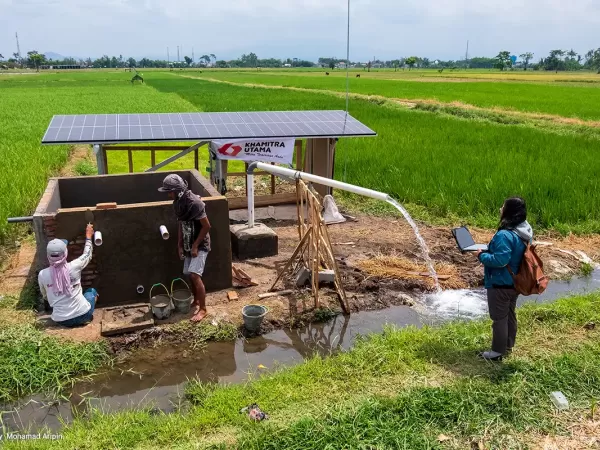
Money alone is also insufficient. A loan for a high-yield crop cannot compensate for an impassable farm-to-market road. A cold storage facility cannot run without dependable electricity. A digital platform is of little use where mobile coverage is weak or farmers lack confidence in the data. Climate-smart seed will not deliver its full promise without water management, local testing, extension support, and access to buyers. Financing the first mile must therefore include the public goods that enable private initiative, including rural roads, irrigation and drainage, broadband, renewable energy, laboratories, animal and plant health services, schools, clinics, and local institutions capable of maintaining these investments after a project ends.
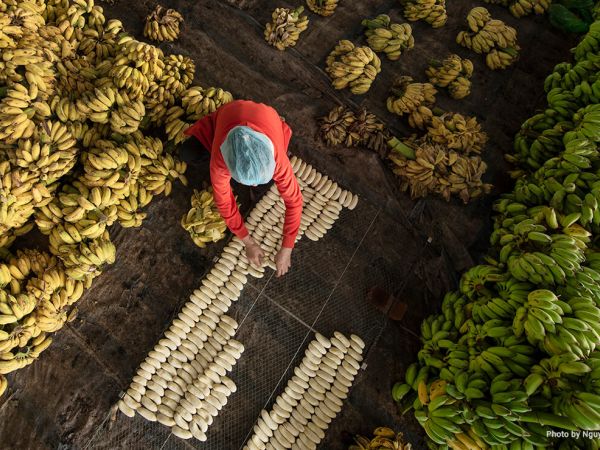
Rural development takes root when more of the value from food stays in the communities where it is produced. Community-scale drying, milling, cold chains, feed production, food processing, quality testing, packaging, and logistics can reduce losses and create jobs beyond the farm. These "midstream" businesses are often the missing bridge between small producers and larger markets. They can also create space for women and young people, who may have limited access to land but can build enterprises in services, processing, repair, data, transport, marketing, or circular uses of agricultural by-products.
The climate crisis makes this investment agenda more urgent. Rural Southeast Asia is exposed to floods, droughts, typhoons, sea level rise, saltwater intrusion, heat, pests, diseases, and ecosystem decline. When resilience is treated as an individual farmer's responsibility, the poorest producers are asked to finance adaptation they cannot afford. Resilience must instead be built into shared systems, including healthy watersheds, climate-resilient roads, community water storage, diversified livelihoods, early-warning services, risk financing, seed systems, mangroves, soil restoration, and research that responds to local conditions.
Integrated rural development also requires a broader understanding of who makes rural economies work. Women are not only farm helpers; they are also producers, traders, processors, caregivers, knowledge holders, and business owners. Young people are not merely a labor pool waiting to be persuaded back into farming; they need credible pathways to land, skills, technology, finance, leadership, and dignified work. Indigenous Peoples and local communities must also be recognized as decision-makers whose knowledge and rights are central to the sustainable management of landscapes and resources. Development that is designed for rural communities but not with them will reproduce the very inequalities it claims to solve.
One regional program shows how targeted support can bring innovation closer to the first mile. Through its Grants for Research towards Agricultural Innovative Solutions (GRAINS), SEARCA provides starter funding for on-the-ground projects led by Southeast Asian researchers, startups, farmer groups, cooperatives, and other institutions. Its 2024–2025 grants, ranging from US$10,000 to US$15,000, supported initiatives in Lao PDR, Timor-Leste, the Philippines, and Vietnam. These included producing affordable hydroponic nutrients from agricultural waste, engaging rural youth in fruit tree grafting and livestock-feed production, developing protein-rich food products, and strengthening farmers' incomes, agroecological practices, and market connections through a digital platform. The program illustrates an important principle of first mile investment: modest capital, combined with technical validation, partnerships, and community knowledge transfer, can help locally developed solutions respond to practical production, livelihood, and market constraints.
For governments and development partners, financing the first mile calls for a change in sequence as much as a change in spending. Begin with the livelihood and the place, not with a preselected technology. Strengthen local institutions before expecting complex systems to endure. Invest across the value chain, not only in production, but also in aggregation, storage, standards, transport, market information, and local enterprise. Measure success through stable incomes, reduced losses, better nutrition, decent jobs, resilience, and stronger participation, not only through higher yields. Most importantly, give rural people a meaningful role in deciding what is financed and how.
World Rural Development Day is a reminder that rural areas are not the unfinished edges of national development. They are where food security, climate resilience, natural-resource stewardship, and much of Southeast Asia's future are being negotiated every day. Financing the first mile means investing before a crisis, before a harvest is lost, before a young person concludes there is no future at home, and before the cost of neglect reaches the city. Food systems will only be as resilient and equitable as the rural communities where they begin.