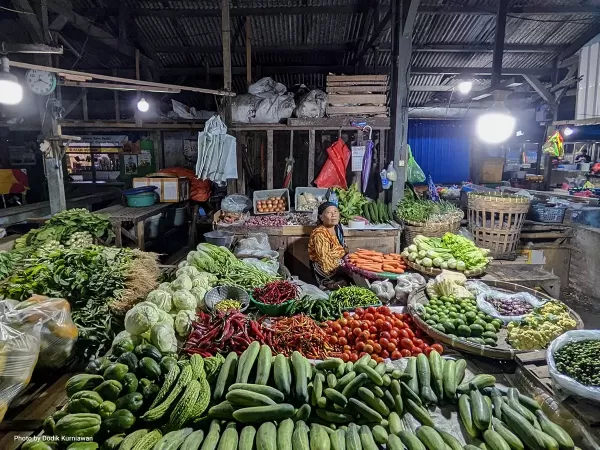
In Southeast Asia, the ocean is part of what people eat, sell, trade, and live from. Fish, shellfish, seaweed, and other aquatic foods are woven into daily meals, local markets, regional trade, and rural livelihoods.
World Oceans Day is often framed around marine conservation. That is important. But for Southeast Asia, it should also be framed around food systems.
The health of oceans, coasts, rivers, lakes, and aquaculture systems is directly tied to the region's nutrition, livelihoods, and resilience.
Why blue foods deserve more attention
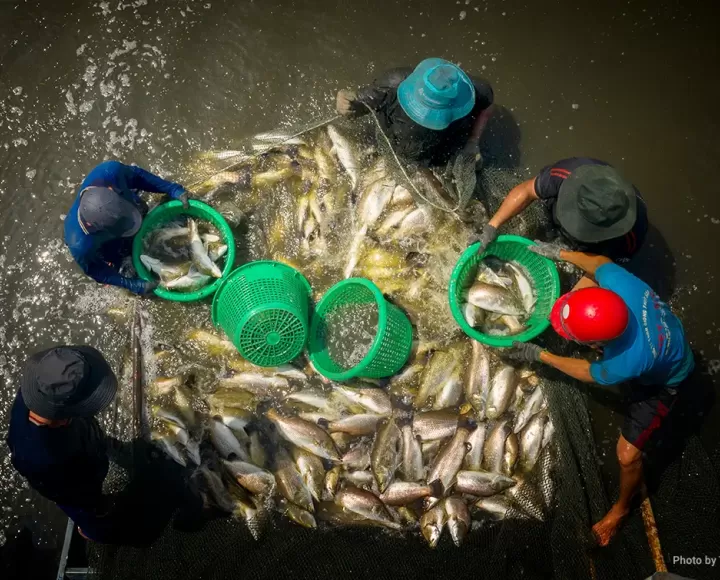
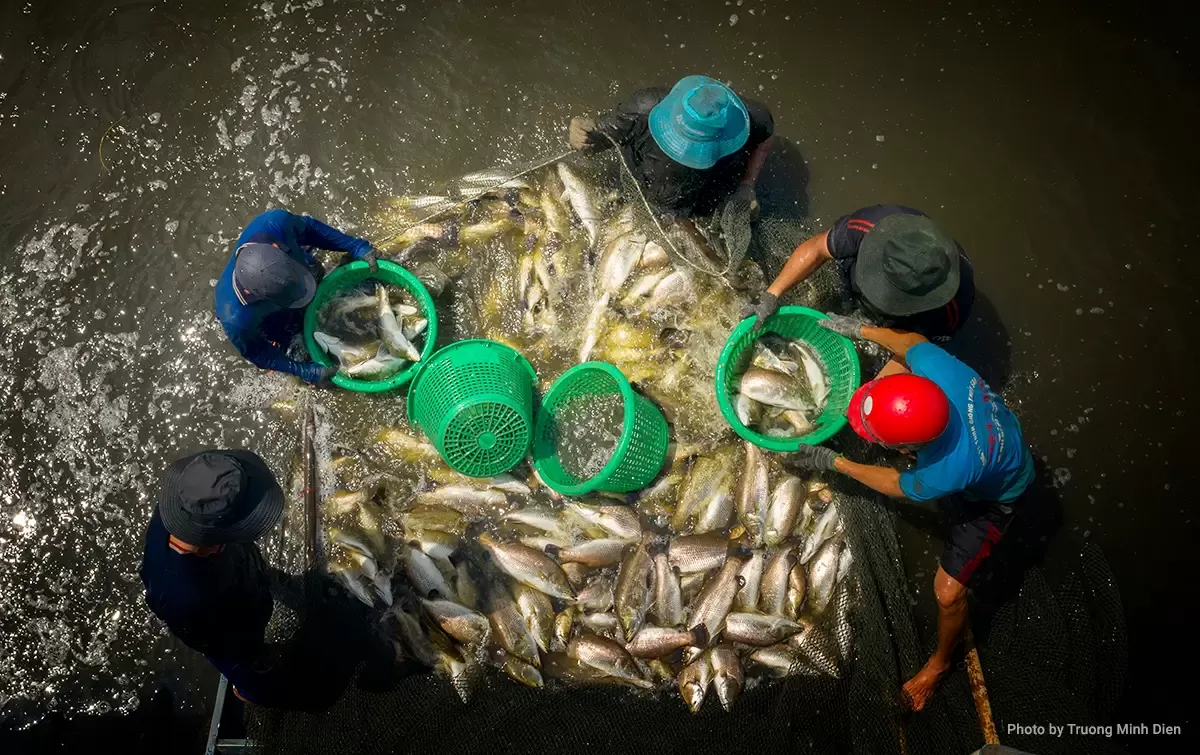
Blue foods are sometimes left out of agriculture conversations, even though they are central to food security. Fisheries and aquaculture support many more people than those who catch or grow aquatic food. They keep processors, traders, transport workers, market vendors, restaurants, and households connected to food, income, and nutrition.
But these systems are under pressure from many sides. The strain is easy to see. Waters are getting warmer and less predictable. Pollution is reaching habitats and food chains. Too much fishing leaves the sea with less time to recover. In fishponds and cages, farmers are also trying to manage higher feed costs, poor water quality, and the risk of disease.
If Southeast Asia wants resilient food systems, it must take blue foods seriously.
Aquaculture must grow differently
Aquaculture will remain important as demand for fish and other aquatic foods grows. But the sector cannot expand at the expense of water quality, ecosystem health, or small producers.
The future of aquaculture cannot be about expansion alone. Aquaculture has to grow in ways that waste less, use feed more wisely, protect nearby waters, and make better practices worthwhile for farmers. That kind of change does not happen through technology alone. It also needs training, financing, research, local partnerships, and policies that help farmers make the shift.
SEARCA's work in the ASEAN Partnership for Sustainable Aquaculture, or AquASEAN, follows this direction. The initiative brings together research, innovation, capacity building, and policy engagement to help make aquaculture in Southeast Asia more sustainable, climate-resilient, and circular.
This is the kind of approach the region needs—not aquaculture growth for its own sake, but aquaculture transformation that considers food, livelihoods, climate, and ecosystems together.
Sustainable aquaculture is also a people issue
When aquaculture is discussed only in technical terms, the people behind the system disappear.
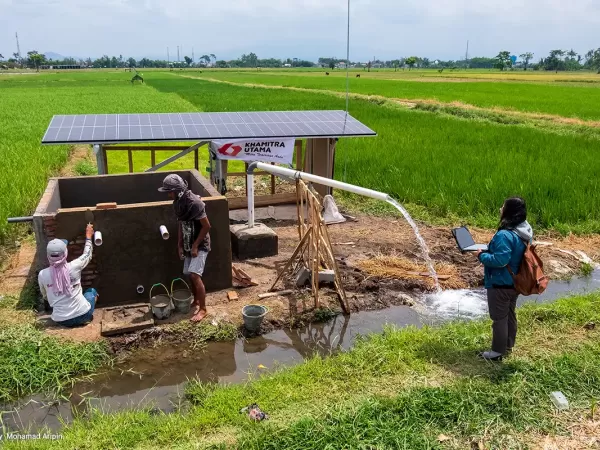
Small-scale aquaculture farmers need affordable technologies and reliable advisory services. Women are also deeply involved in the work that keeps aquatic food systems moving, from processing and trading to decisions about what families eat. Young people can help change what aquaculture looks like, especially as digital tools, online selling, small businesses, and environmental monitoring become part of the work. Local governments also have a very practical role. The roads they maintain, the markets they improve, the rules they enforce, and the support they give to farmers can determine whether aquaculture grows in a way that helps communities—or creates new problems for them.
Sustainable aquaculture must therefore be built with communities, not simply introduced to them.
The ocean food future
World Oceans Day reminds us that the ocean is not only a place to protect from harm. It is also part of the food future that Southeast Asia must manage with care.
The region needs sustainable fisheries, responsible aquaculture, better postharvest systems, stronger food safety, climate adaptation, and policies that recognize the importance of blue foods. It also needs research and partnerships that can move practical solutions from pilot projects into wider use.
Every fish, shellfish, or seaweed dish carries a reminder that feeding people and caring for ecosystems have to go together.