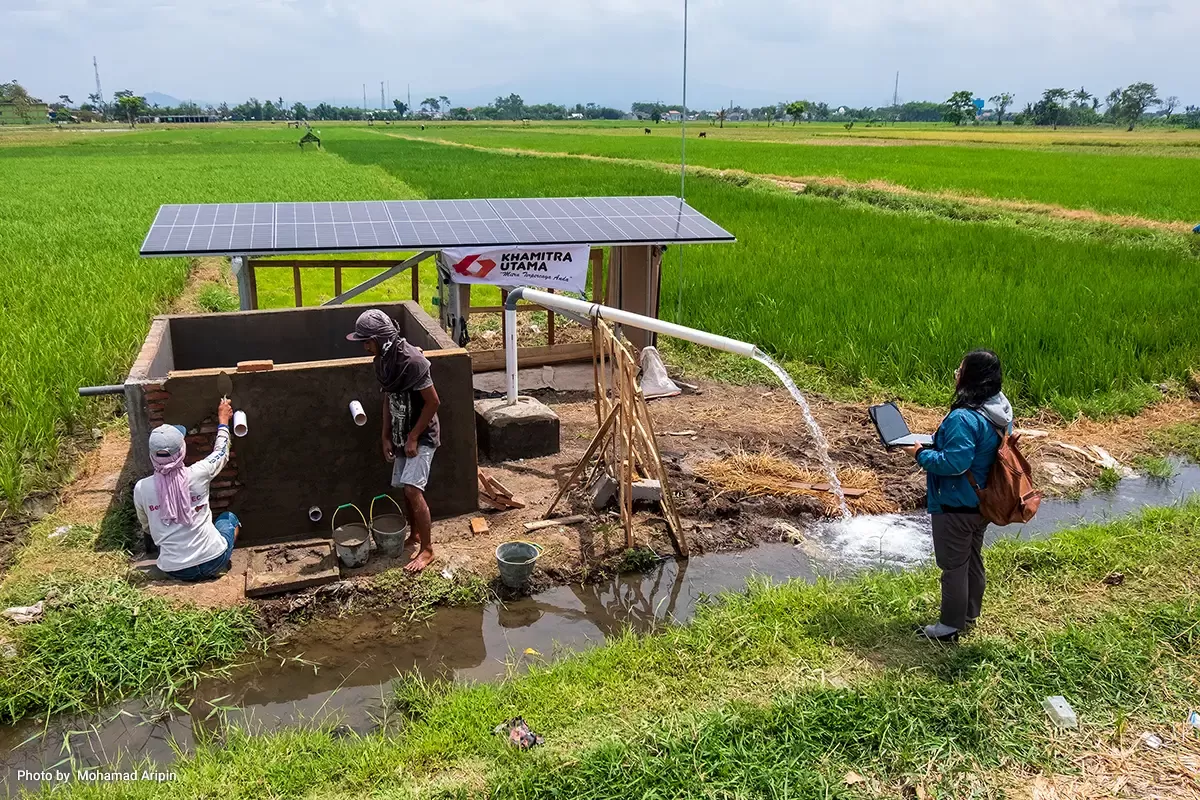
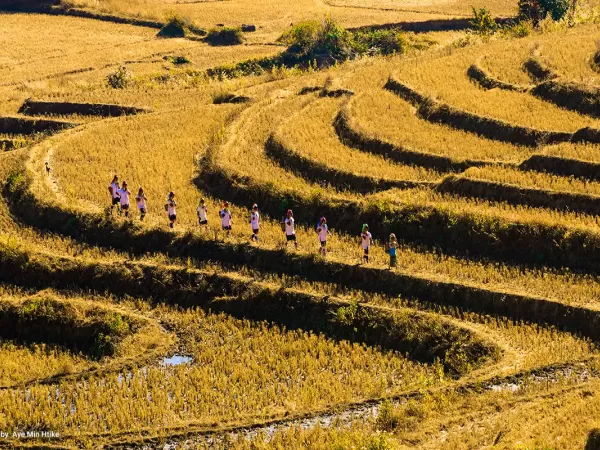
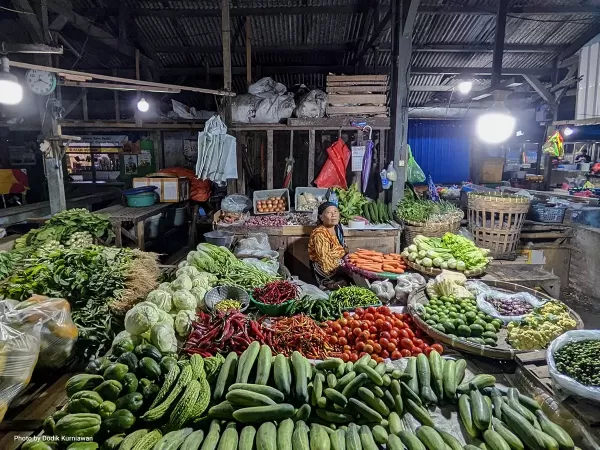
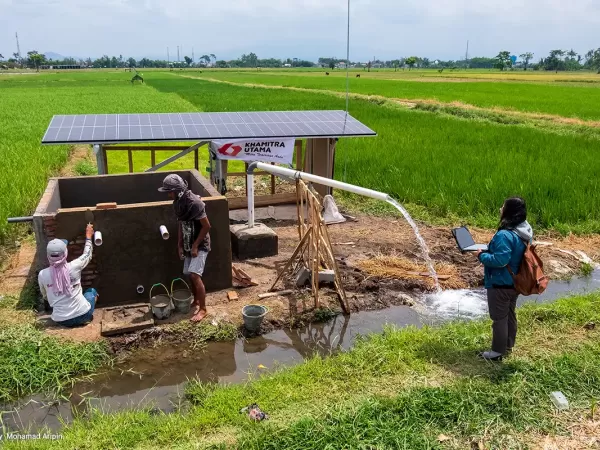
In Southeast Asia, drought can appear in rice fields, upland farms, orchards, livestock areas, aquaculture ponds, and river deltas. It can come as a failed rainy season, a long dry spell, a heat wave, low river flow, water competition, or saltwater intrusion. A farm does not need to be in a desert to suffer from lack of water.
For farmers, drought is not abstract. It means delayed planting, lower yields, higher irrigation costs, crop failure, feed shortages, poor water quality, and deeper household debt.
The World Day to Combat Desertification and Drought is a timely reminder that land and water resilience must be part of food security planning.
Drought exposes weak systems
Drought does not affect all farmers equally. Those with irrigation, savings, crop insurance, strong farmer organizations, and access to climate information are better able to cope. Those who depend on rainfed systems, informal credit, and unstable markets are more exposed.
This is why drought is not only a climate event. It is also a systems test.
When water becomes scarce, weak extension systems, poor soil management, limited financing, and fragmented local planning become more visible. Farmers may know they need to shift practices, but they cannot do it alone.
Soil is a water strategy
One of the simplest but most overlooked drought solutions is healthier soil.
Soils with higher organic matter can hold more moisture. Mulching can reduce evaporation. Trees, cover crops, compost, and better soil care all help the land hold moisture and withstand heat. When farmers have better information on their soil, they can also use fertilizer more carefully and give crops a better chance during dry spells.
Water use has to be managed just as carefully. In rice fields, alternate wetting and drying can help avoid keeping fields flooded longer than necessary. Better irrigation schedules, small water storage, improved drainage, and timely climate advice can also help farmers decide when to plant, when to irrigate, and how to manage water when dry conditions are expected.
Low-carbon rice can also be water-smart
Rice is central to Southeast Asian food security, but rice farming is deeply connected to water. Too little water can damage crops. Too much water can increase emissions and create other production risks. Better water management is therefore both a climate adaptation and mitigation strategy.
In Laguna, Philippines, Southeast Asian Regional Center for Graduate Study and Research in Agriculture (SEARCA) and its partners have worked with farming communities on low-carbon rice practices such as alternate wetting and drying, along with more efficient water and fertilizer use. The experience points to a practical lesson: climate-smart farming is easier to adopt when farmers are not working alone, but are supported by local governments, technical experts, and institutions that can help make new practices work in the field.
Drought adaptation is not only about emergency response. It is about changing everyday farming systems before the next dry spell arrives.
Farmers need usable climate information
Drought preparedness depends on timely decisions. When should farmers plant? Should they shift crops? How should water be allocated? What risks are likely in the next few weeks or months?
Climate information must reach farmers in forms they can use. It should be local, timely, trusted, and linked to real options. A forecast is helpful only if farmers also have access to seeds, water, finance, markets, and technical advice.
This is where institutions matter. Drought resilience requires cooperation among weather services, agriculture offices, irrigation groups, local governments, universities, extension workers, and farmer organizations.
Preparing before crisis
Southeast Asia cannot afford to treat drought as an occasional emergency. It must be planned for as a recurring agricultural risk.
That means investing in soil health, water-smart farming, climate advisories, drought-resilient crops, farmer organizations, insurance, and local water governance. It also means making sure that smallholders are not expected to carry climate risk alone.
When the land dries up, the effects move through the whole food system. Preparing for drought is therefore not only about saving crops. It is about helping families keep earning, keeping food within reach, and making rural communities stronger before the next shock comes.