
The Food We Grow But Never Eat
A farmer can have a good harvest and still lose. Tomatoes can soften before they reach the market. Mangoes can bruise during transport. Fish can deteriorate when temperatures are poorly controlled. Rice can lose quality while waiting to be dried. Vegetables that arrive at a wholesale market in poor condition may never reach a household at all. By the time…

Feeding Southeast Asia as Its Population Grows
World Population Day often begins with a number. How many people live in the world? How fast is a country growing? When will a population peak? These questions matter, but for agriculture, the deeper issue is not only population size. It is how population change reshapes food demand, labor, land, markets, nutrition, and public expectations. In Southeast…

Southeast Asia Must Invest Where Food Systems Begin
Before sunrise, long before food appears in a market stall, supermarket aisle, restaurant kitchen, or delivery app, the food system is already at work. A rice farmer checks the sky over a field in the Mekong basin. A fisher prepares a boat in an island community. A vegetable grower in an upland village sorts produce for a buyer who may arrive late. A…

Preventing Zoonotic Risks Across Southeast Asia's Food Systems
The first warning sign of a zoonotic disease is not always a hospital case. It may be a sick pig in a backyard pen, a dead chicken in a small poultry shed, a bat roost disturbed by land-use change, or an informal animal movement that no one recorded. By the time a disease reaches a clinic, the opportunity for quiet prevention may already have narrowed.…

How farmer cooperatives can help smallholders become climate-smart
A single smallholder farmer can be highly skilled and still be structurally disadvantaged. One household may know when the soil is ready, which seed performs well in a difficult season, and which buyer pays on time. Yet that same household may not have enough volume to negotiate a better price, enough capital to buy a dryer, enough storage to wait for a…
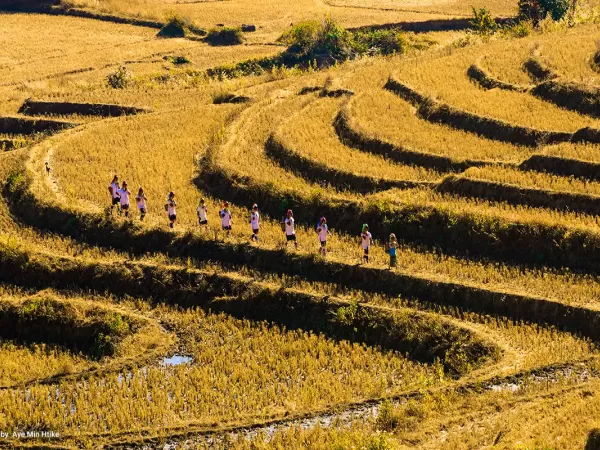
Why tropical agriculture matters for Southeast Asia's climate future
Southeast Asian agriculture is tropical by nature. It is shaped by heat, humidity, monsoon rains, typhoons, dry spells, floods, pests, diseases, and the region's rich biodiversity. It includes rice fields, upland farms, orchards, aquaculture ponds, coconut areas, vegetable systems, coffee landscapes, agroforestry plots, and home gardens. These conditions…
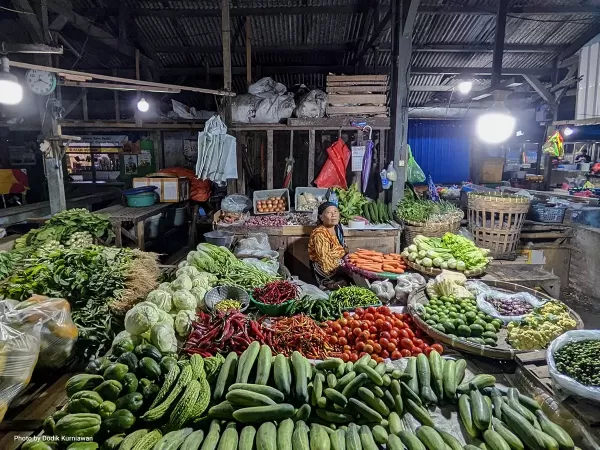
How Southeast Asia's food culture can support sustainable agriculture
Food in Southeast Asia is never just food. It is family, memory, place, livelihood, and culture. It is rice cooked daily, fish dried or fermented, vegetables from home gardens, fruits from tropical orchards, herbs gathered from backyards, and recipes shaped by landscape, migration, trade, and tradition. Sustainable Gastronomy Day invites us to look at…
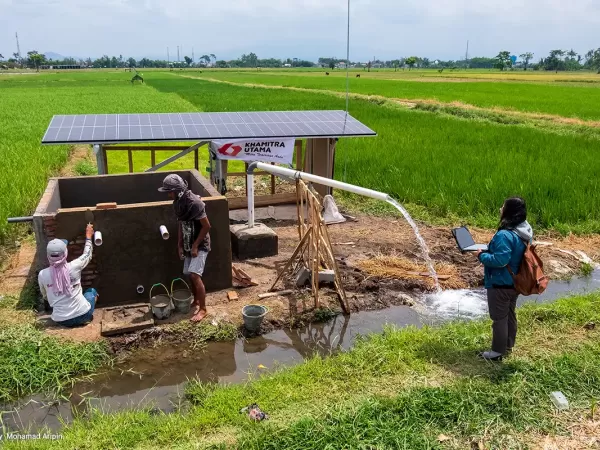
Building drought resilience in Southeast Asian agriculture
In Southeast Asia, drought can appear in rice fields, upland farms, orchards, livestock areas, aquaculture ponds, and river deltas. It can come as a failed rainy season, a long dry spell, a heat wave, low river flow, water competition, or saltwater intrusion. A farm does not need to be in a desert to suffer from lack of water. For farmers, drought is not…
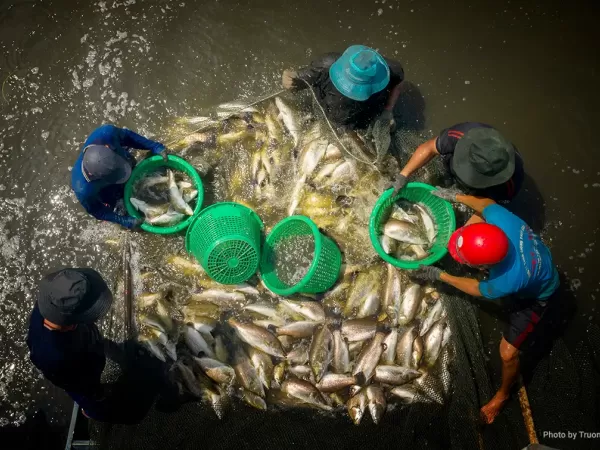
Feeding Southeast Asia through sustainable aquaculture
In Southeast Asia, the ocean is part of what people eat, sell, trade, and live from. Fish, shellfish, seaweed, and other aquatic foods are woven into daily meals, local markets, regional trade, and rural livelihoods. World Oceans Day is often framed around marine conservation. That is important. But for Southeast Asia, it should also be framed around food…
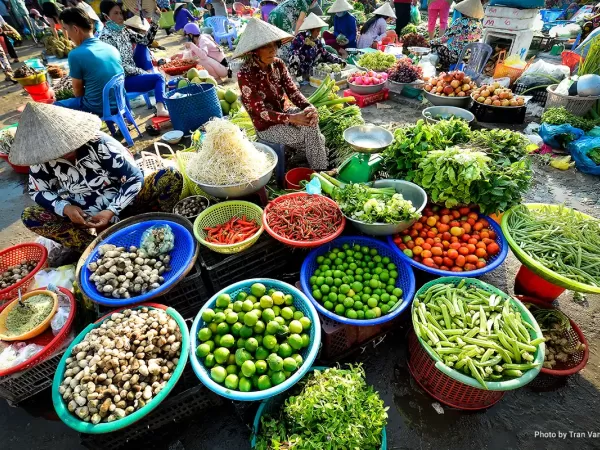
Safe food starts long before the kitchen
Food safety is often imagined as something that begins in the kitchen. We think of washing hands, cooking food properly, checking expiry dates, and keeping raw and cooked food apart. All of that matters. But food safety begins much earlier. It begins with water used on farms. It begins with how crops are grown, how animals are raised, how fish are…
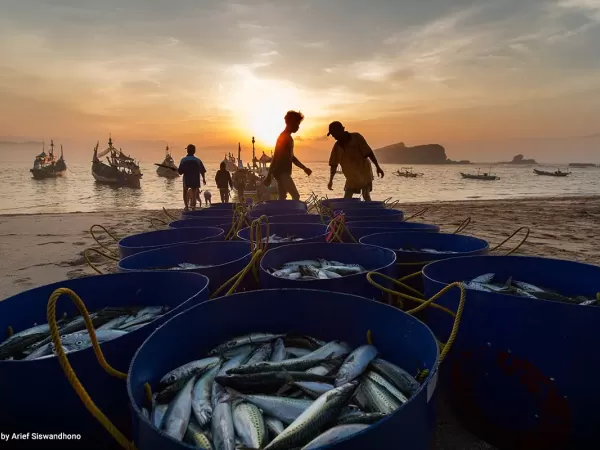
Why illegal fishing threatens food security and coastal livelihoods in Southeast Asia
Illegal fishing is often discussed as if it were only a problem of boats, borders, and enforcement. But for Southeast Asia, it is also a food security issue. Fish and other aquatic foods are part of everyday diets across the region. They support coastal and inland families, along with the traders, processors, transport workers, market vendors, and small…
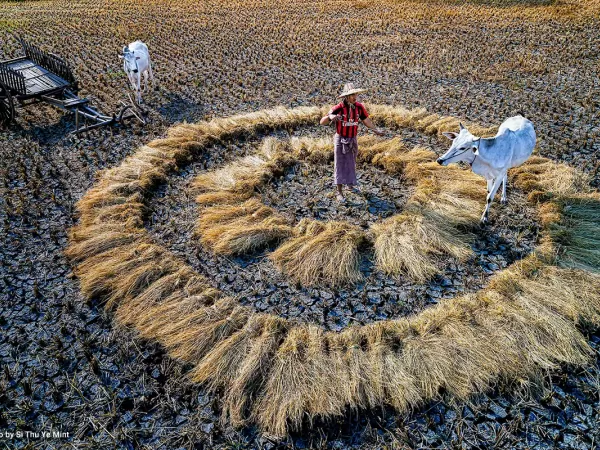
From climate risk to climate solution in Southeast Asian agriculture
Agriculture is often described as a victim of climate change. In Southeast Asia, that is easy to understand. For many farmers, climate change is already part of the working day. They are planting through hotter weather, bracing for stronger storms, waiting out longer dry spells, and making decisions around rainfall that no longer comes when expected.…