SEARCA 60-Year Timeline
We invite you to explore 60 Years in 60 Pictures a visual journey through the heart of Southeast Asian agriculture

SEARCA in the 1960s
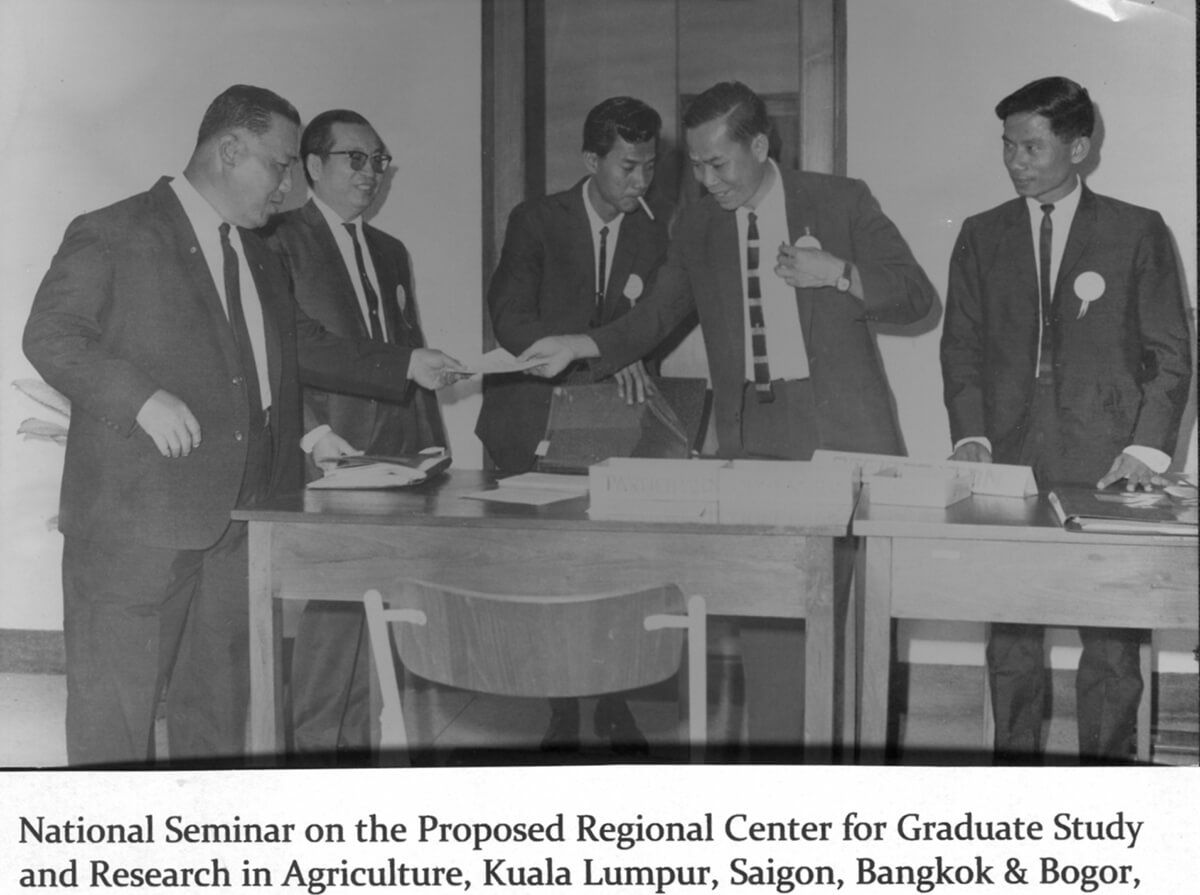
SEARCA is approved for establishment
SEAMEO formally approves creating SEARCA as a regional center dedicated to agricultural and rural development (ARD), anchoring the mandate for graduate education, research, training, and knowledge exchange for Southeast Asia.
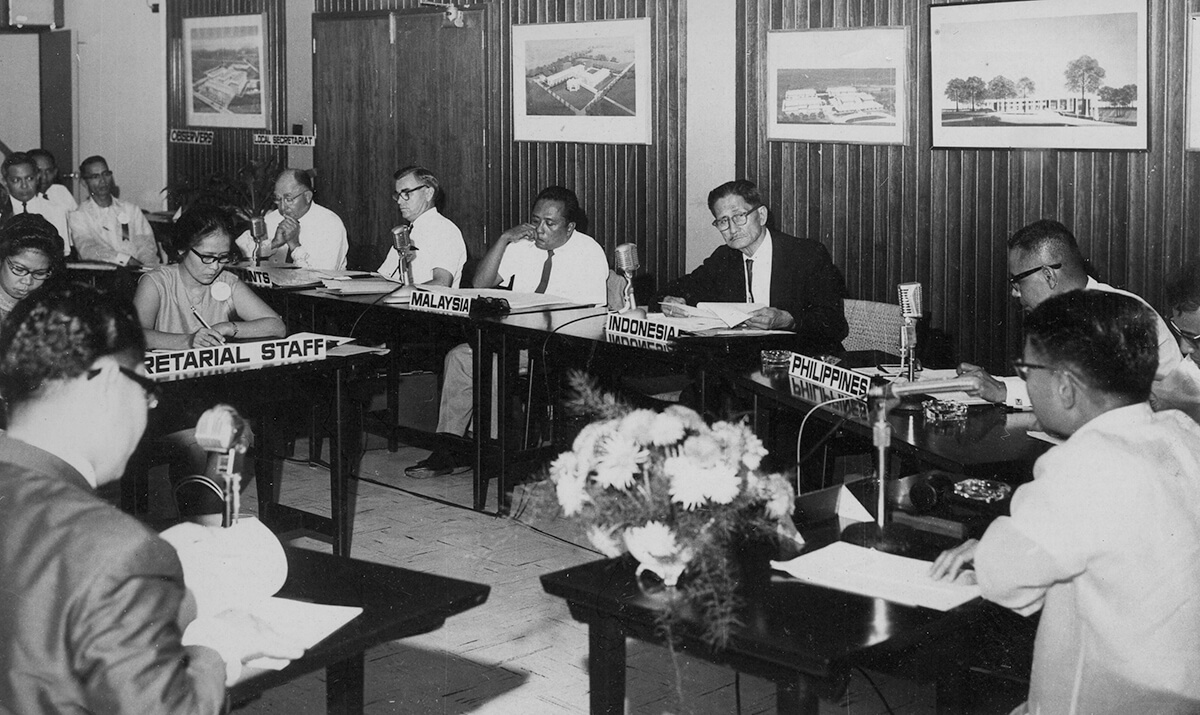
First Agriculture Advisory Council (AAC) meeting
The first AAC meeting in Los Baños establishes early governance, clarifies development directions, and sets the institutional decision-making mechanism that evolves into today’s Governing Board structure.
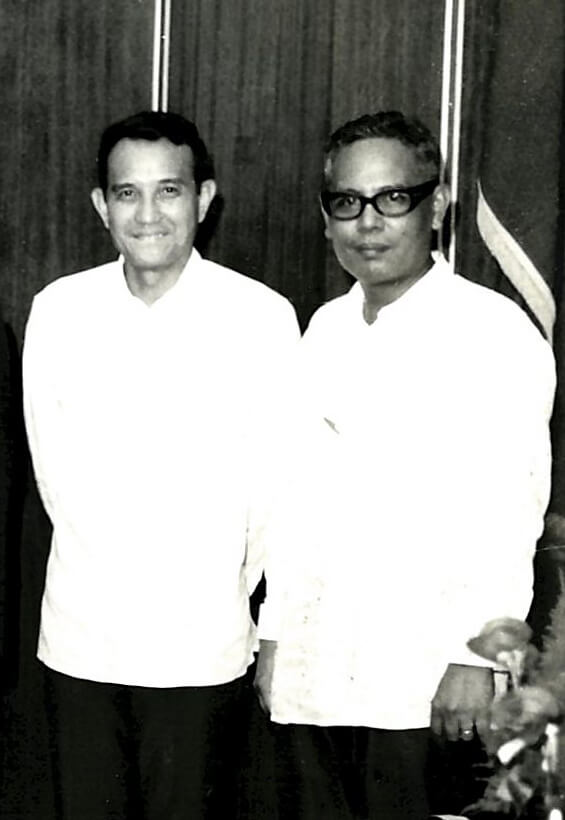
Interim operations begin (the “four-person SEARCA”)
SEARCA begins interim operations with a small core team (Interim Director, Assistant Director, Project Leader, Special Assistant), proving operational viability while systems, staffing plans, and programs are built.
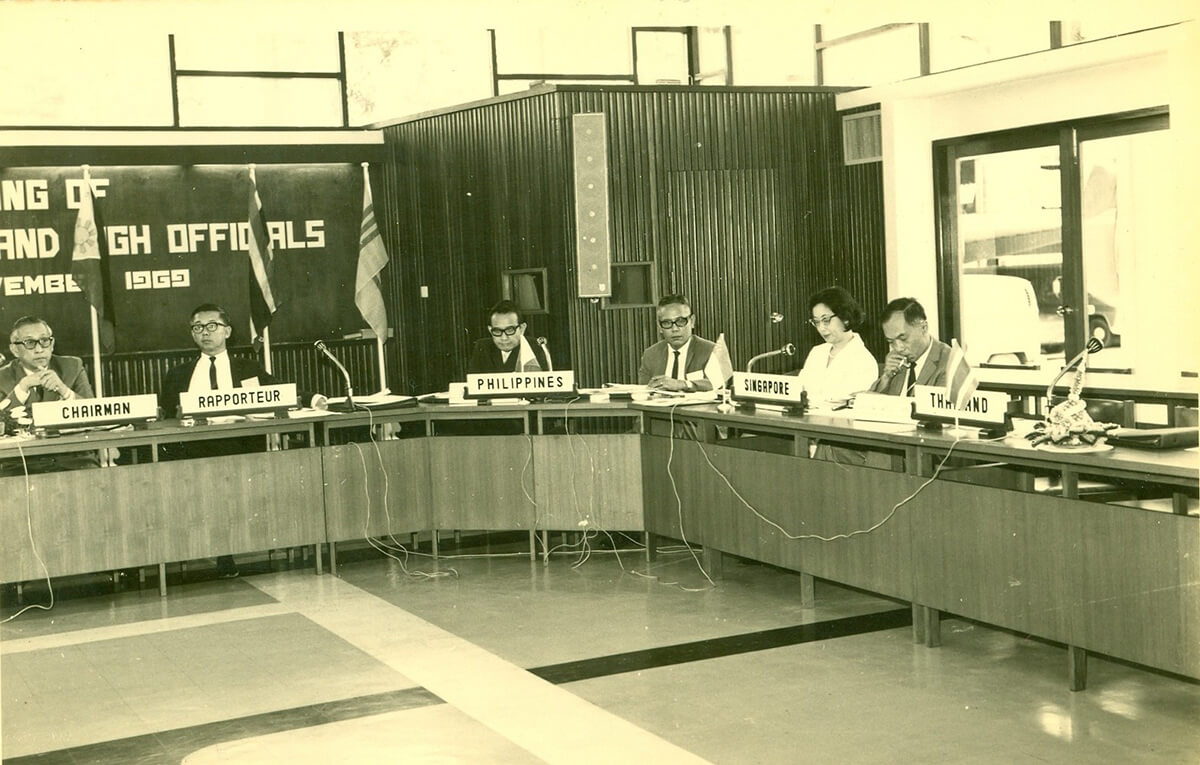
Blueprint-building seminars across member countries
A SEARCA task force conducts national seminars in member countries and a regional seminar to define the blueprint: organizational structure, staffing, scholar recruitment, academic directions, financing, and program scope—then refines it through successive AAC meetings.
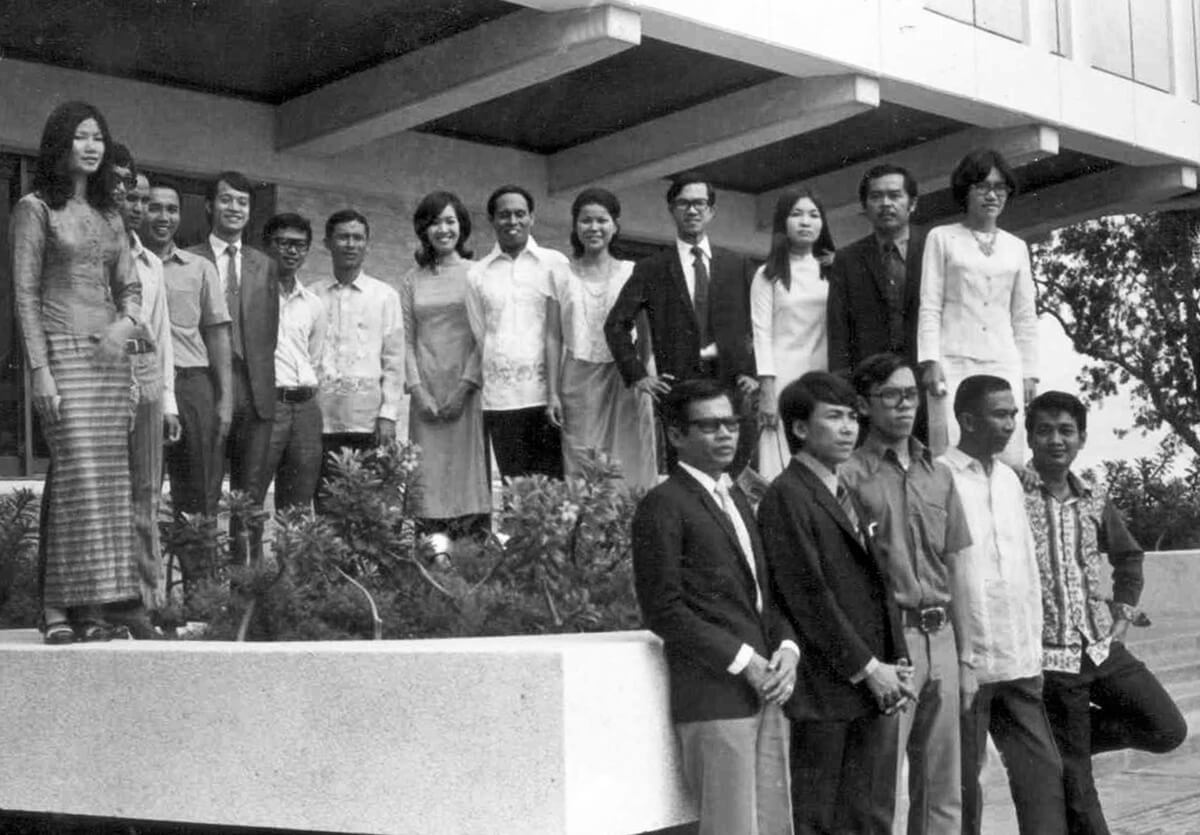
Opening Exercises and first scholar cohort (Scholarship Program begins)
SEARCA's Graduate Scholarship Program effectively launches, marking the Center’s earliest “flagship output”: producing advanced-degree graduates who become ARD leaders across Southeast Asia.
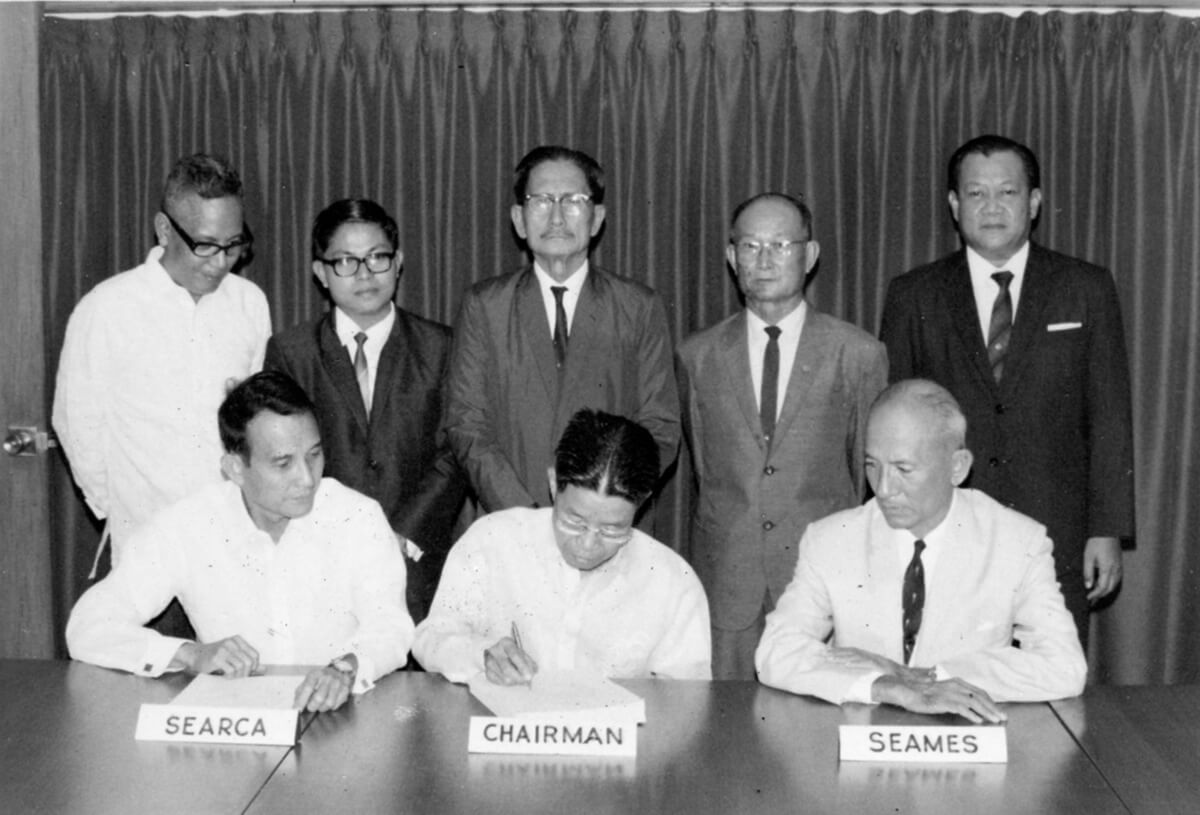
SEARCA Charter is signed
The Charter signing formalizes SEARCA's institutional identity, governance rules, and member-country commitments—moving SEARCA from concept to legally/administratively anchored regional organization.
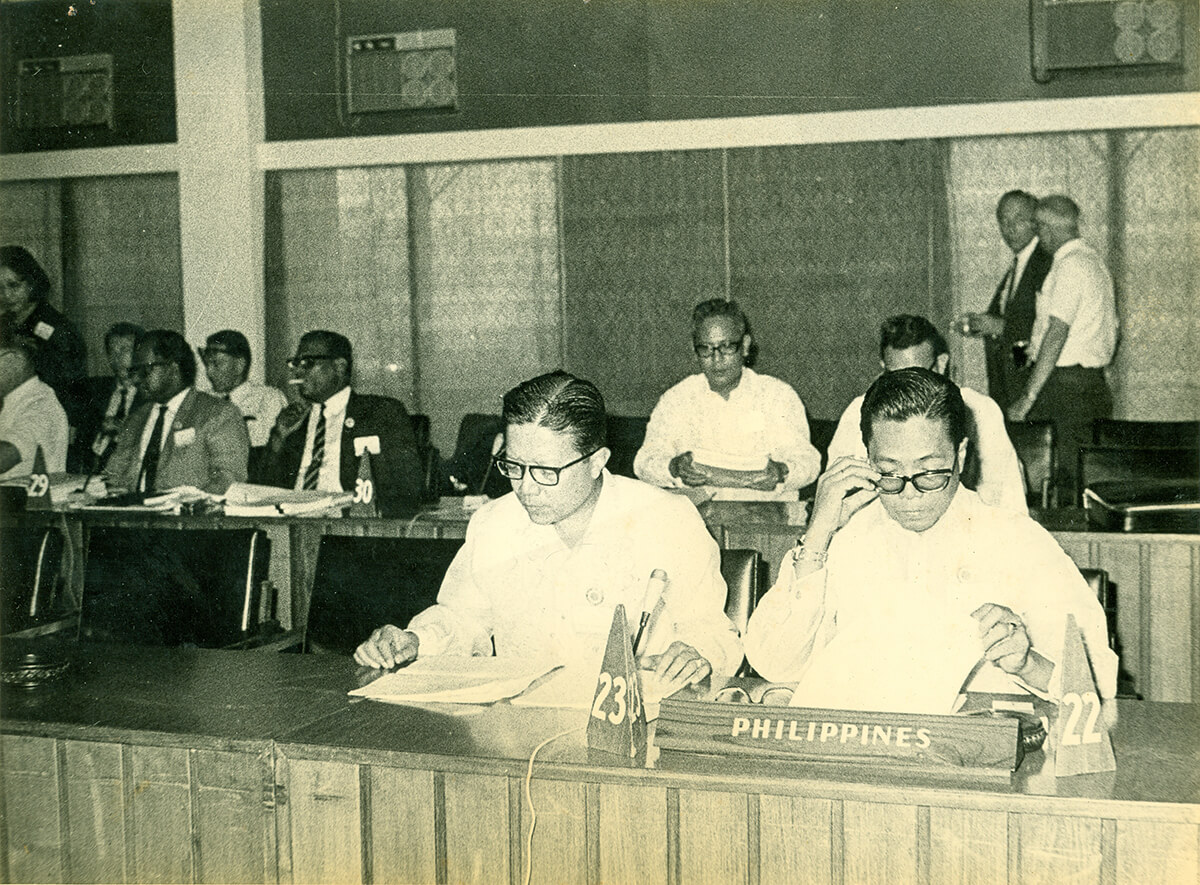
Permanent phase begins (multi-party agreement and five-year operations plan)
SEARCA transitions into its permanent phase under formal agreements that secure operations and funding, enabling sustained delivery and long-term program planning beyond interim setup.
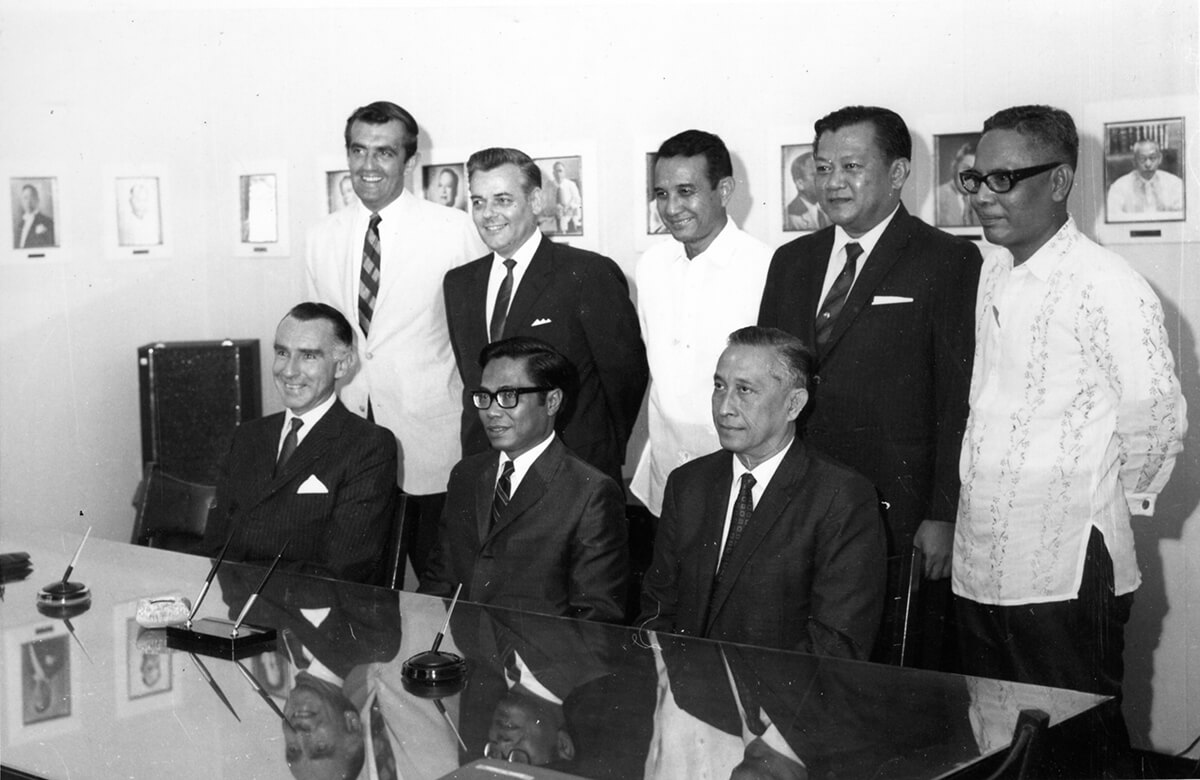
Capital development program agreement signed
SEARCA’s physical establishment is enabled through a capital development agreement—unlocking construction of buildings and facilities needed for residential scholars, training events, and research support.
SEARCA in the 1970s
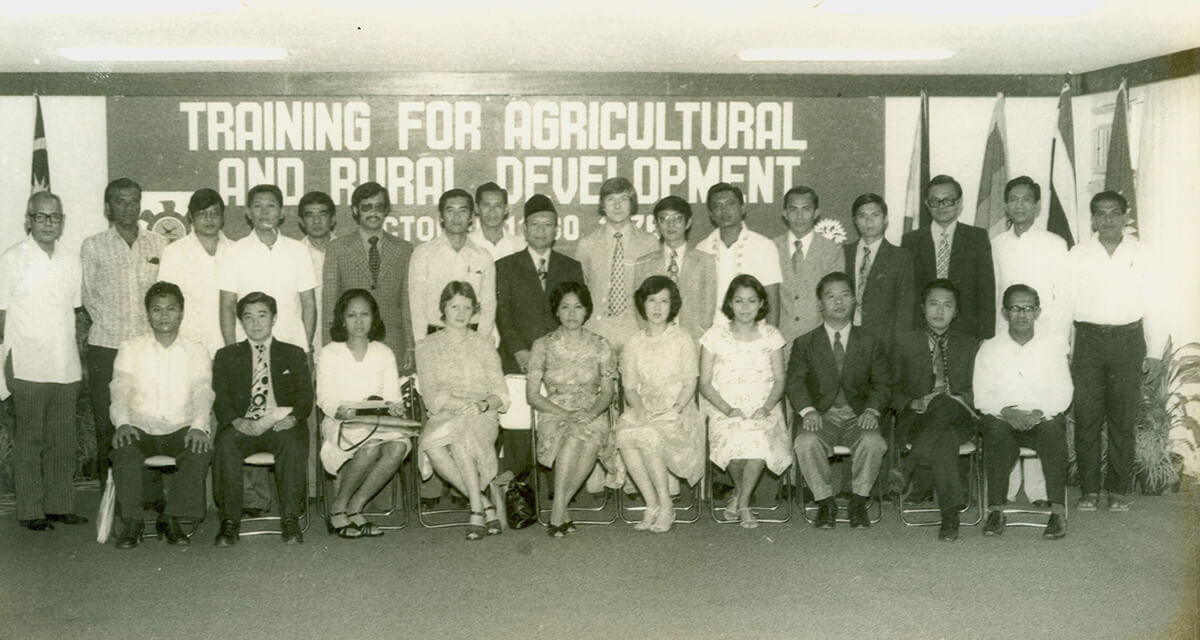
Short-term Training Program begins
SEARCA adds short-term training as a "speedier response" mechanism to ARD capacity needs—broadening impact beyond degree scholars to practitioners, planners, and specialists.
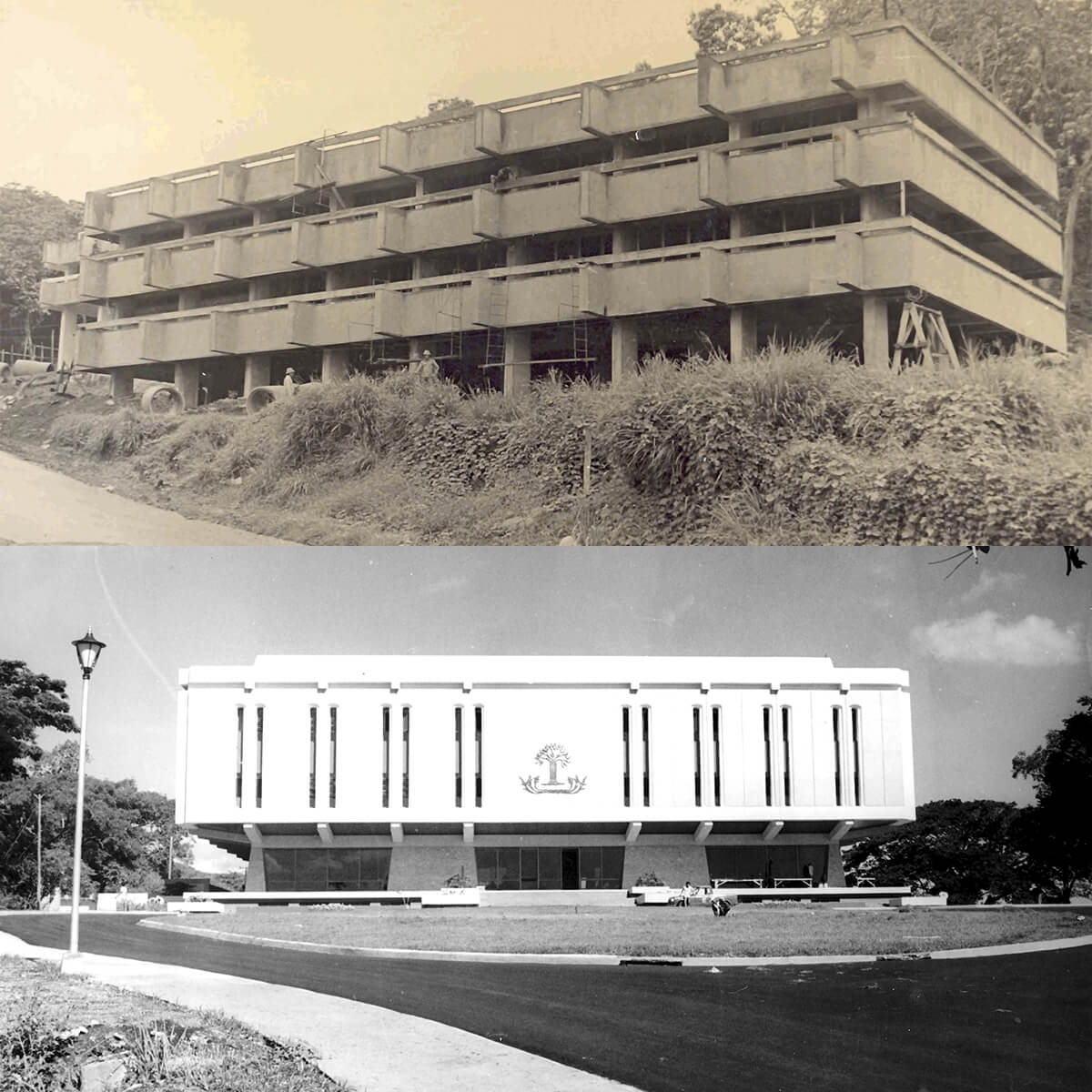
Dormitory and Library come to life
Scholar housing and research access are institutionalized through completed facilities: dormitory construction advances (1971) and the library is completed and inaugurated (1973), strengthening the backbone of scholarship and research.
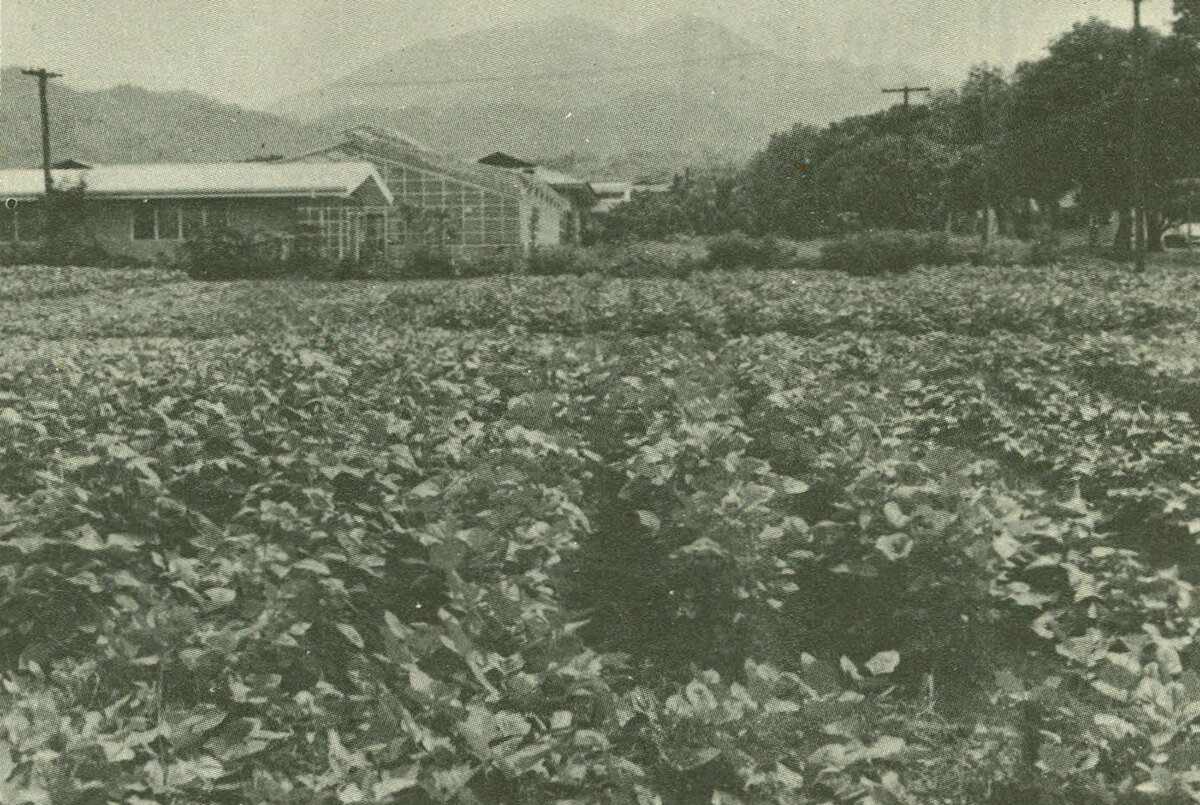
Early R&D for food systems: Gene Bank and Protein Gap Study
SEARCA deepens science-for-development through applied R&D initiatives—building genetic resources (Gene Bank of Economic Crops) and improving high-protein crop systems (Protein Gap Study), reinforcing regional crop productivity goals.
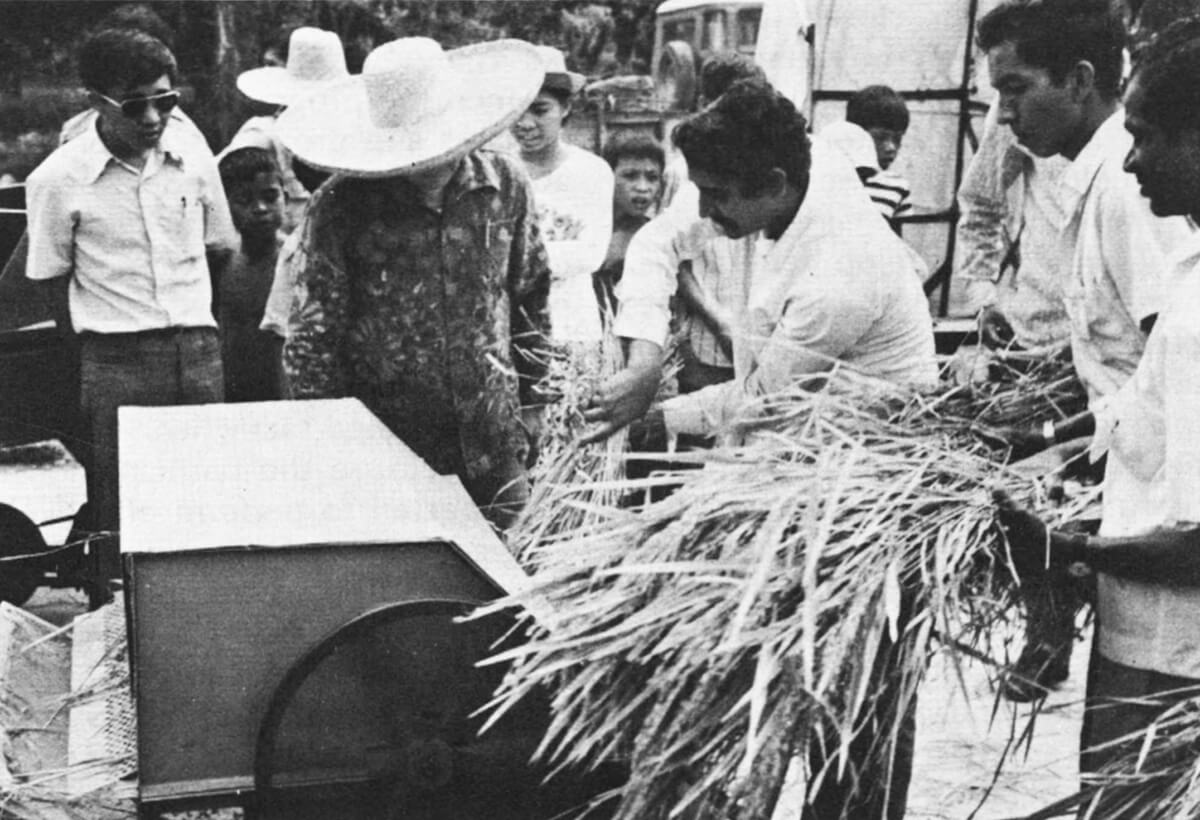
Social Laboratory delivers measurable farm impact (record harvest)
SEARCA’s Social Laboratory approach demonstrates tangible livelihood results when a farmer achieves a record harvest under the project—showing how community-based interventions can rapidly translate to gains.
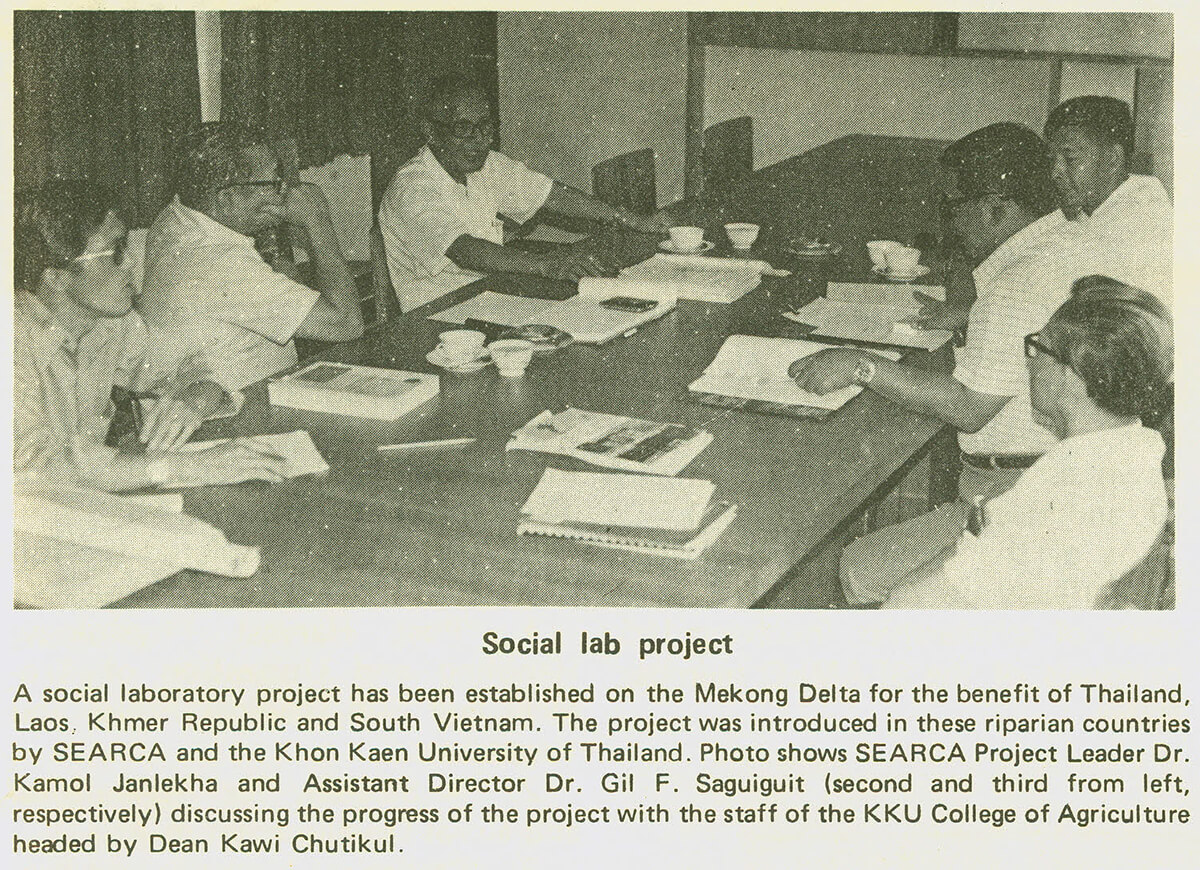
Social Lab expands to Mekong Delta (with Khon Kaen University)
Social Laboratory work is replicated and adapted in a complex regional setting (Mekong Delta), operationalized with an academic partner—building a multi-country learning platform on rural development realities.
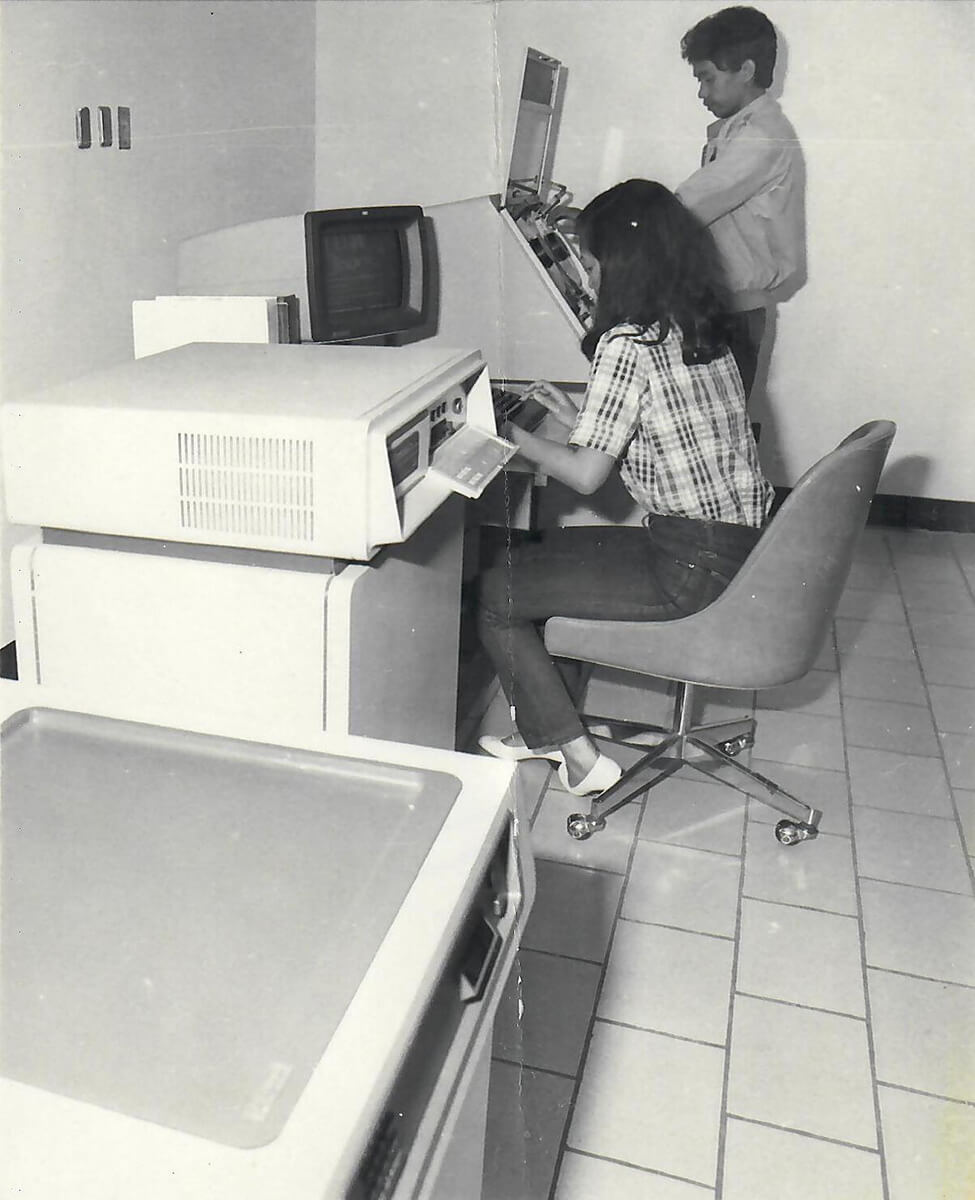
SEARCA pioneers regional agricultural information systems
SEARCA progressively shapes agriculture knowledge infrastructure: conceptualizing a regional documentation center, building databanks, championing computerized information sharing, and contributing to global/regional information systems linkages—making knowledge access a development tool.
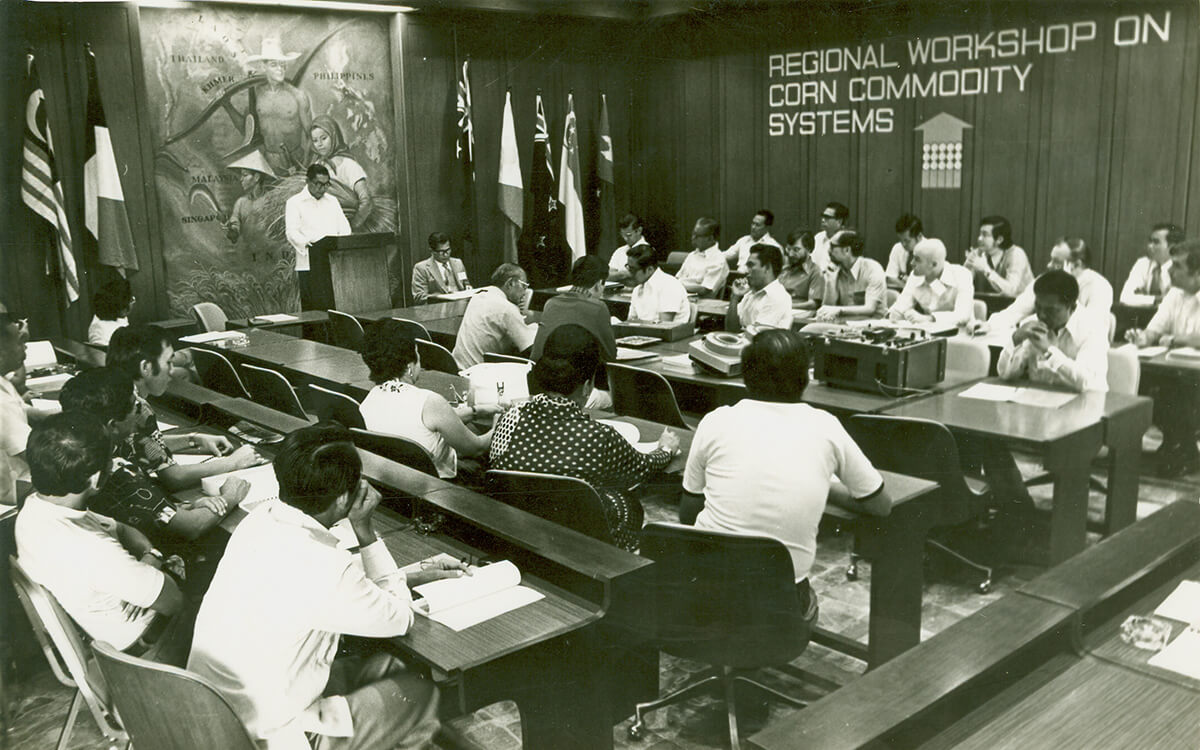
Agribusiness systems strengthened (corn commodity systems workshop)
SEARCA convenes a regional workshop on corn commodity systems—advancing agribusiness thinking from farm-level production to whole-system value chain planning.
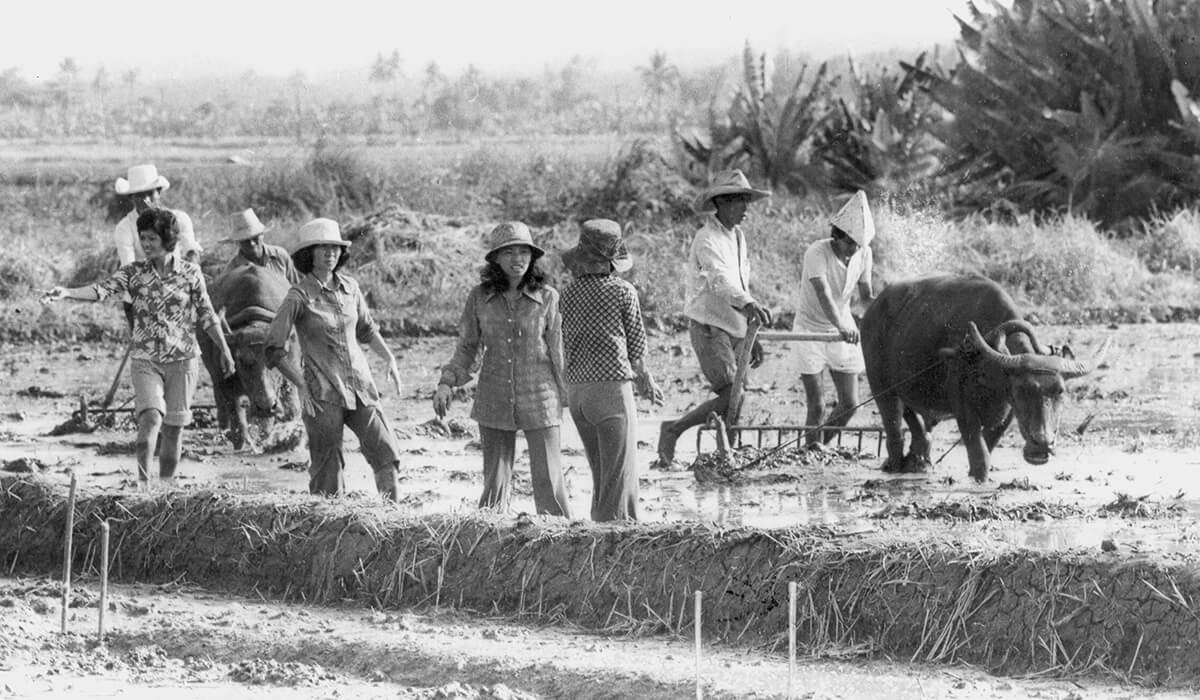
Major training partnership: DSE and Women for Rural Development
SEARCA formalizes a major training partnership that boosts course offerings and pioneers programs like Women for Rural Development—an early foundation for mainstreaming social dimensions in ARD capacity building.
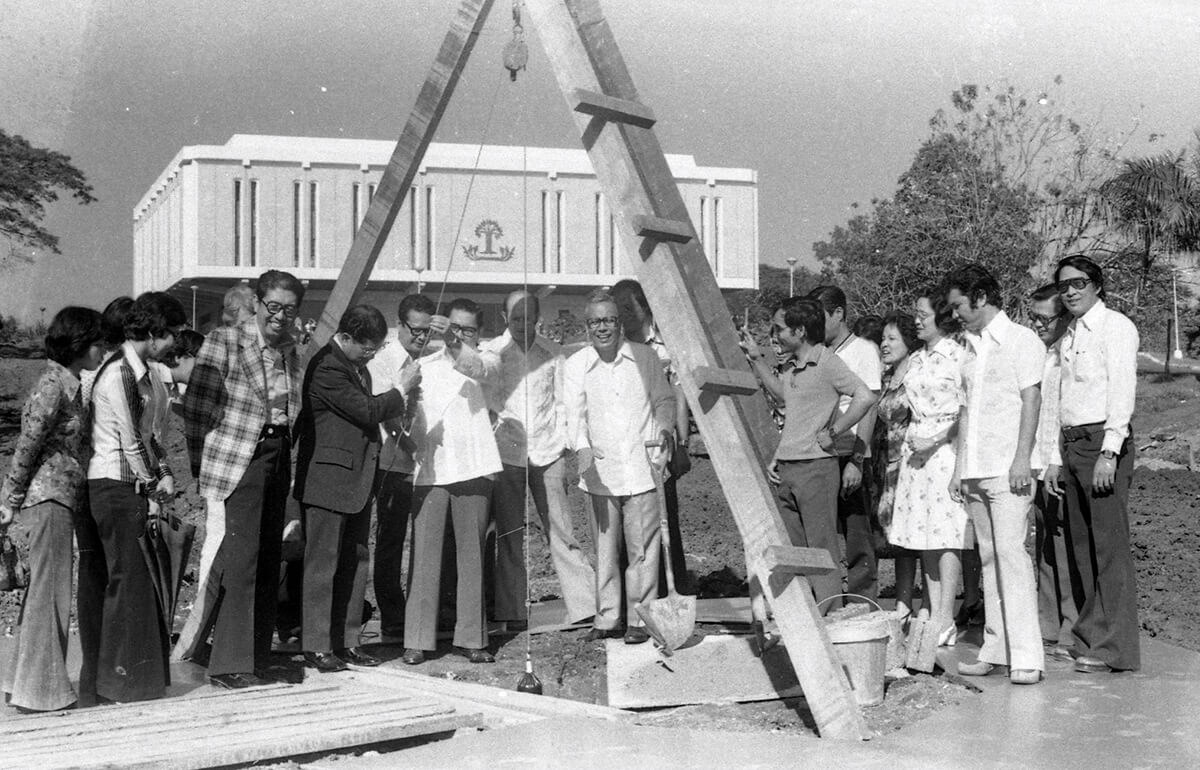
SEARCA main building begins (groundbreaking/time capsule)
Groundbreaking rites for the SEARCA main building symbolize permanence and institutional maturity—SEARCA is no longer “starting up,” but physically and programmatically established.
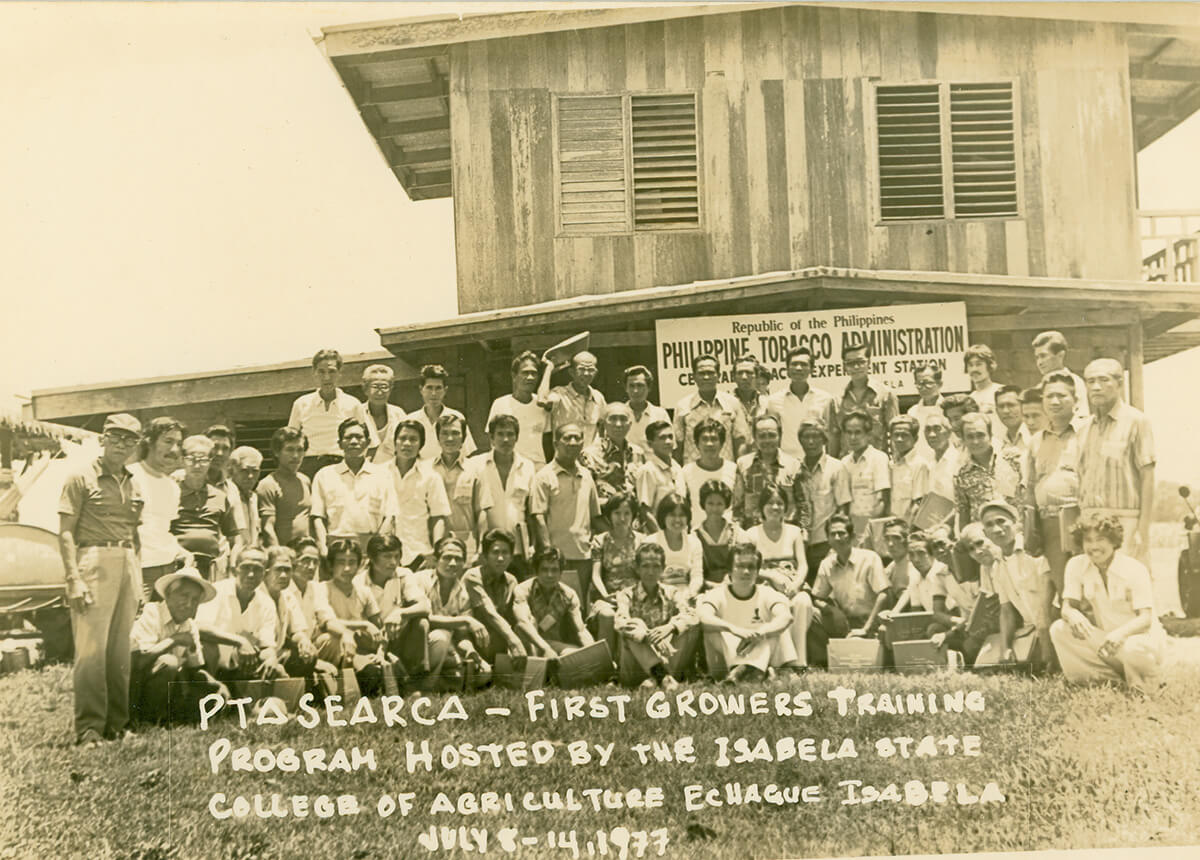
First Tobacco Training Program
Specialized, sector-focused trainings mature—SEARCA demonstrates it can mount technical programs responsive to industry and field needs.
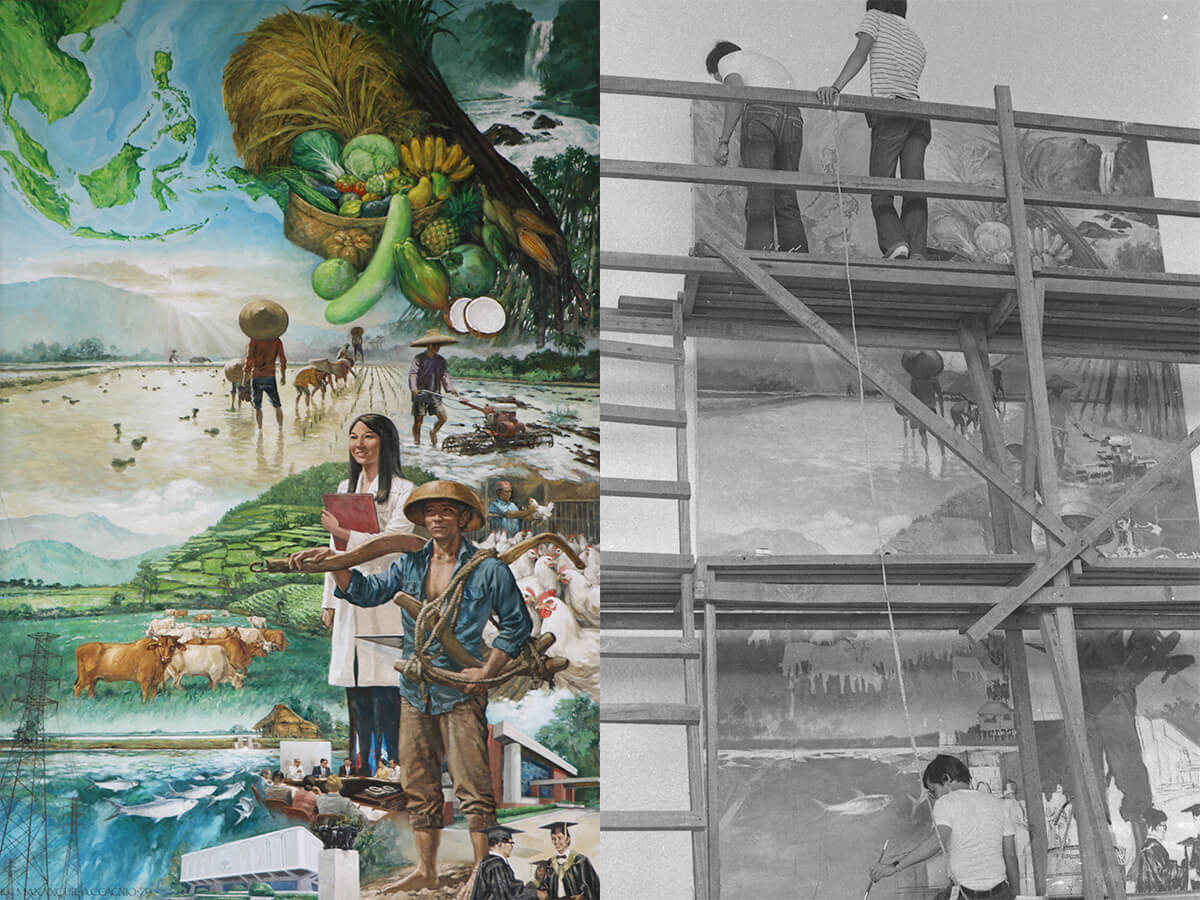
The SEARCA Mural is installed
SEARCA strengthens institutional identity and visitor experience through a permanent mural—an early “branding through place” milestone.
SEARCA in the 1980s
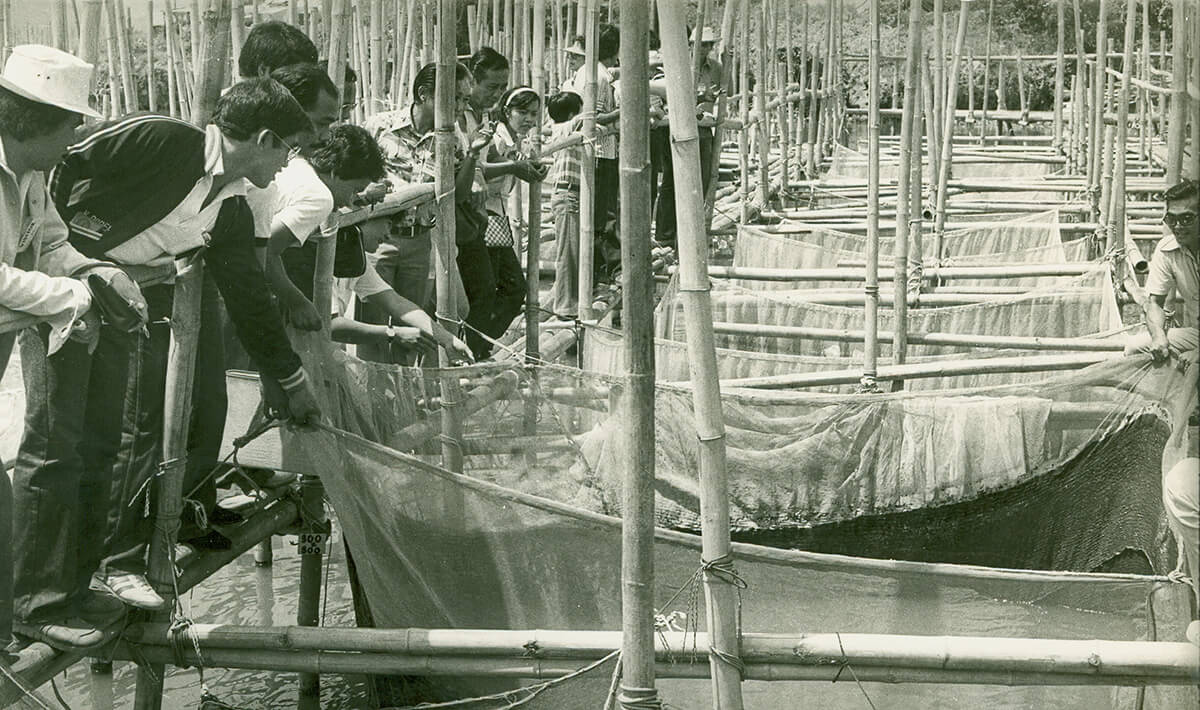
Agribusiness development moves from concept to project sites
SEARCA’s agribusiness agenda becomes operational through project sites and demonstrations—linking training, advisory support, and applied learning in real communities.
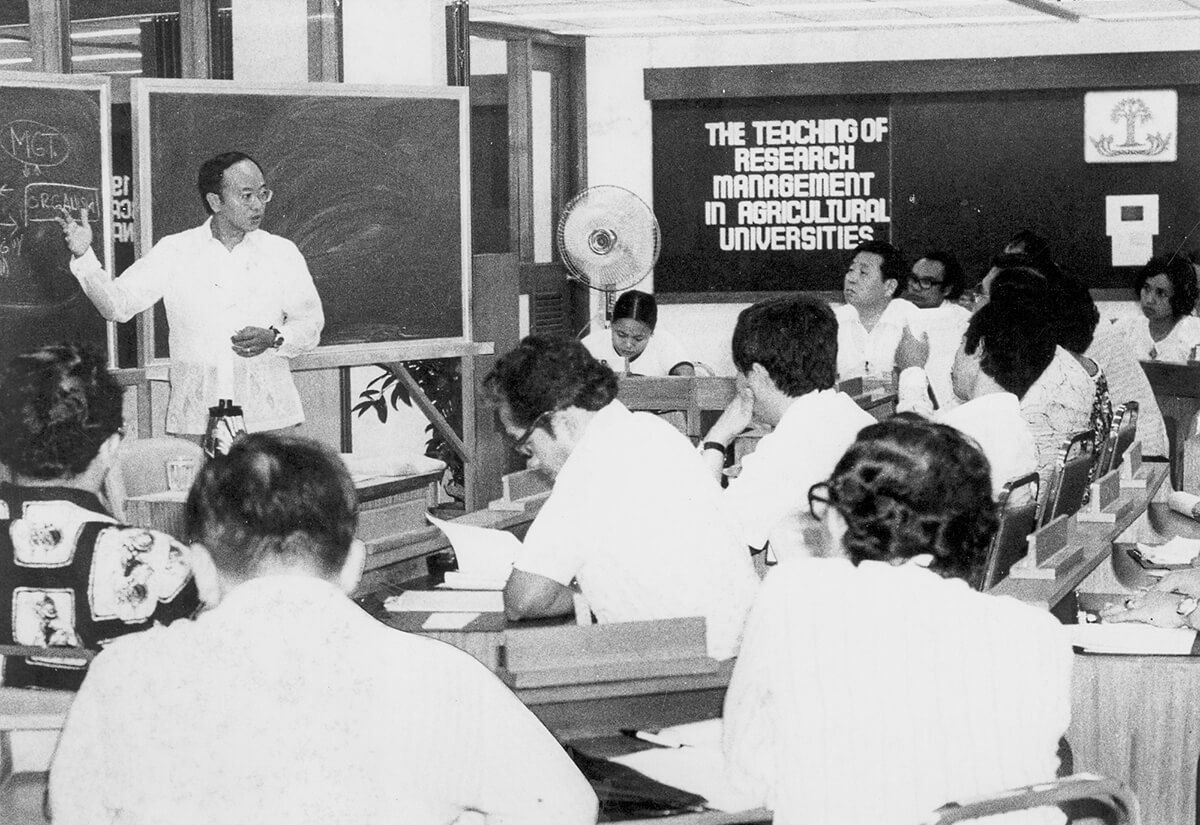
Research management capacity becomes a SEARCA specialty
Research management training and related strategic studies strengthen institutional capabilities across the region—helping universities and agencies manage, prioritize, and deliver R&D for development outcomes.
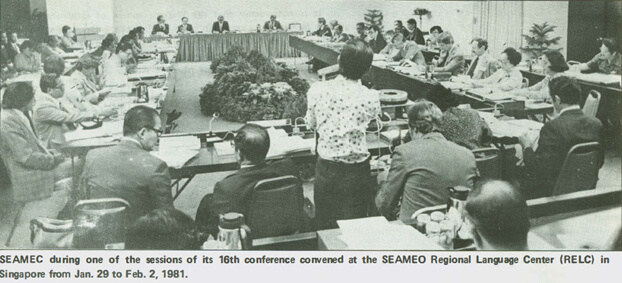
"Operation Spread" regionalizes scholarships
SEARCA expands scholarships beyond one host university, enabling placements in other Southeast Asian universities—improving field relevance, academic fit, and regional ownership.
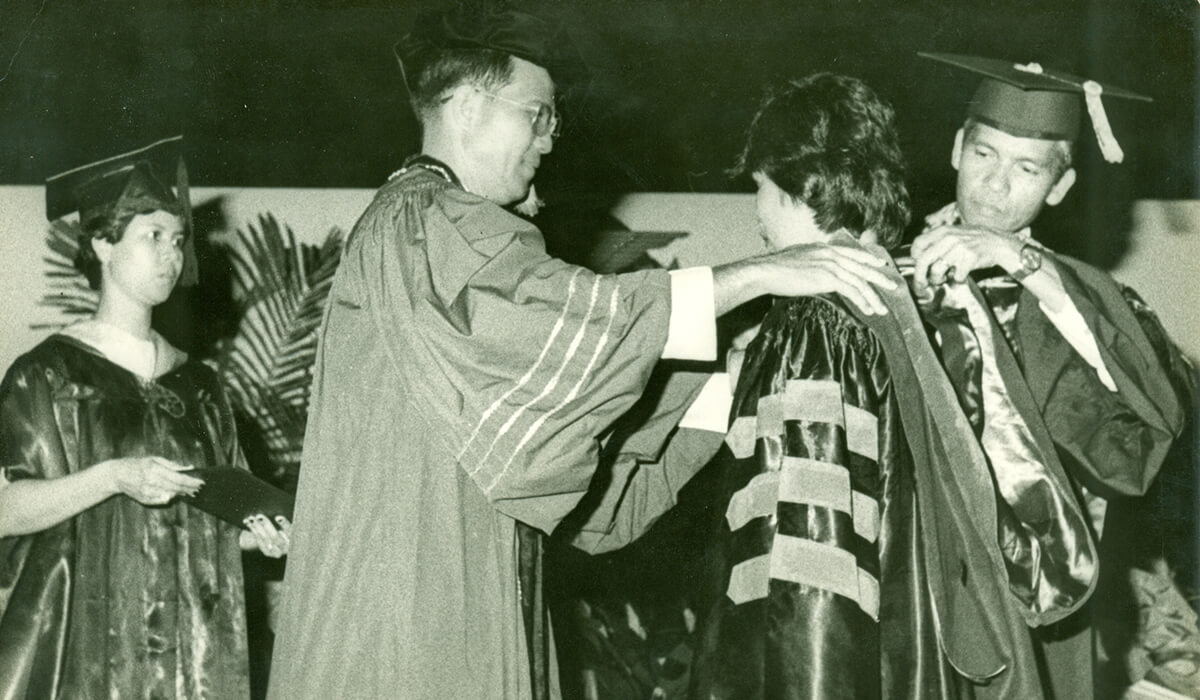
Graduation milestone (major cohort completes degrees)
Visible scale is achieved as a large batch of scholars graduate, reflecting scholarship pipeline maturity and regional human capital production.
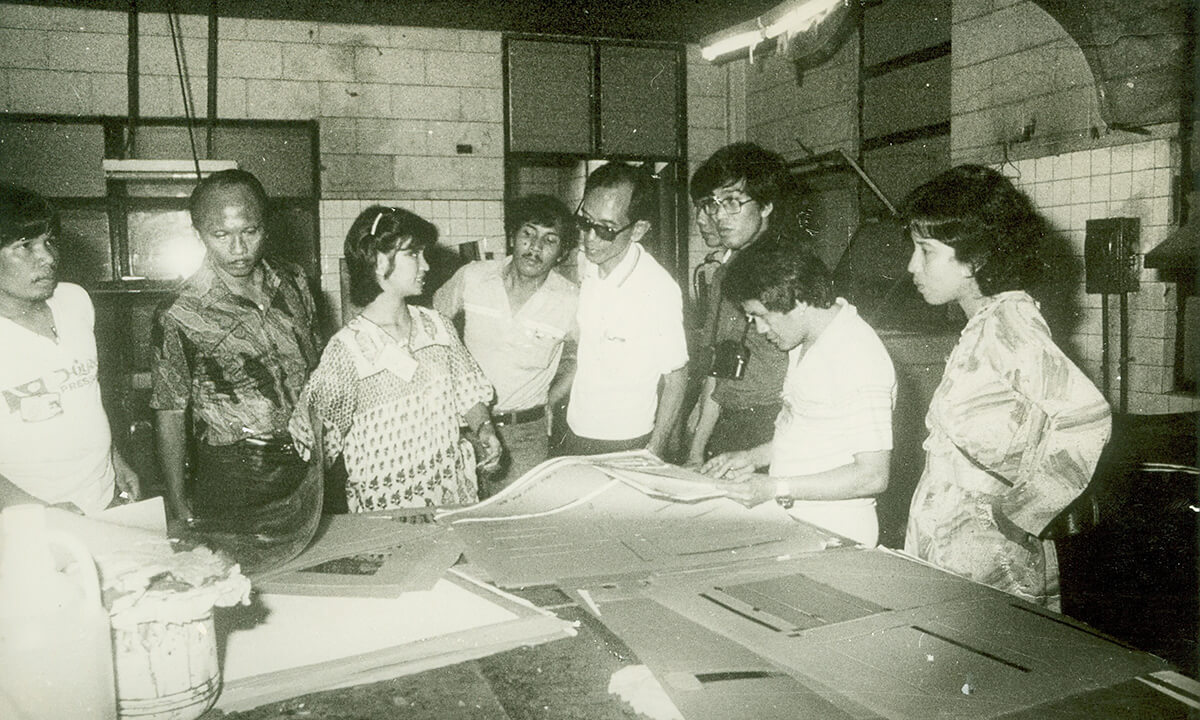
Development Support Communication becomes a key capability track
SEARCA strengthens ARD practice by building communication capacity—training participants not just on messages but on systems: production, dissemination, and communication for adoption and behavior change.
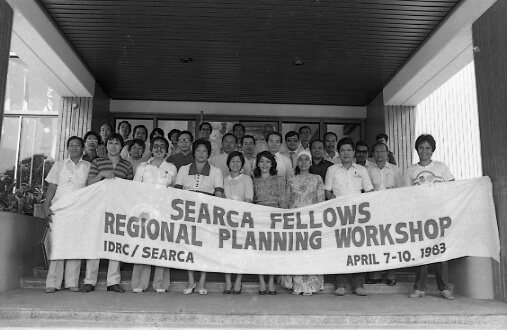
Alumni (fellows) are organized as partners in planning
SEARCA convenes alumni to identify how they can contribute to program planning and pinpoint research gaps—shifting alumni from “outputs” to “strategic partners.”
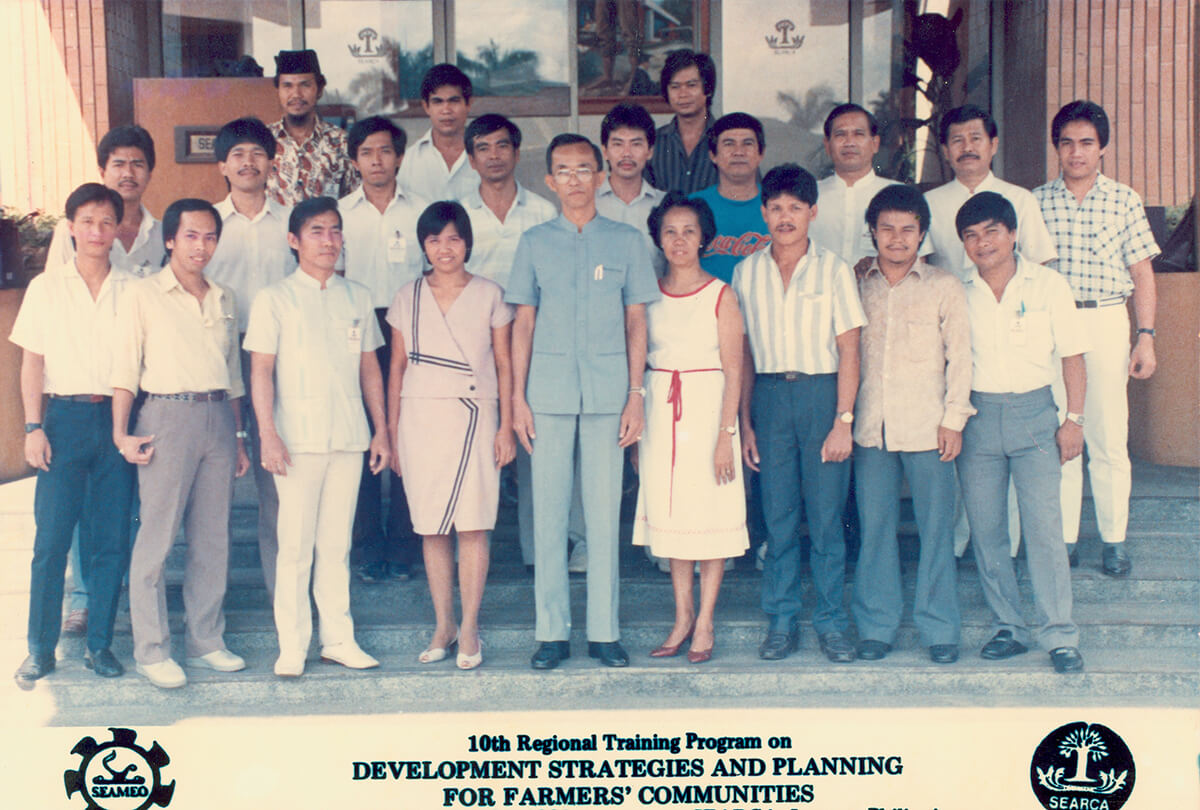
DSPFC becomes a signature long-running training course
A major training program (DSPFC) reaches milestone runs, producing a steady stream of regional practitioners equipped for development planning and implementation.
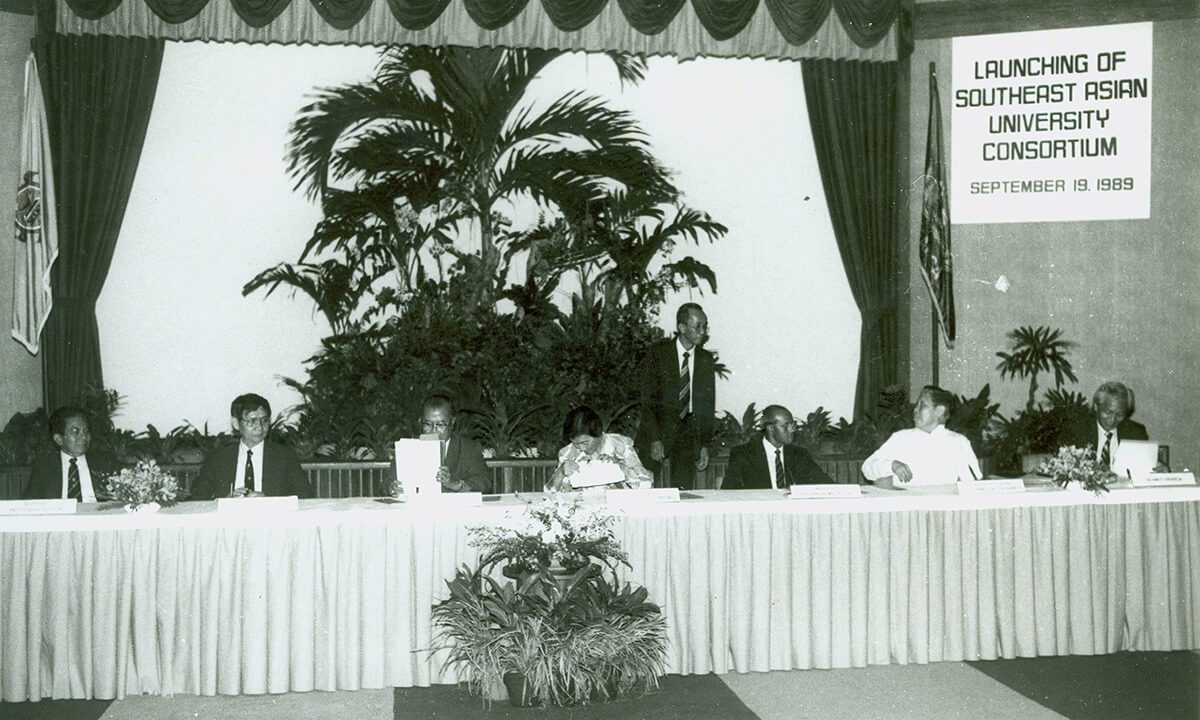
Southeast Asian University Consortium (UC) is launched
SEARCA formalizes a regional higher-education collaboration platform to enable cross-enrollment, exchange, research fellowships, and academic support—systematizing "regionalizing higher education." Learn more about the University Consortium.
SEARCA in the 1990s
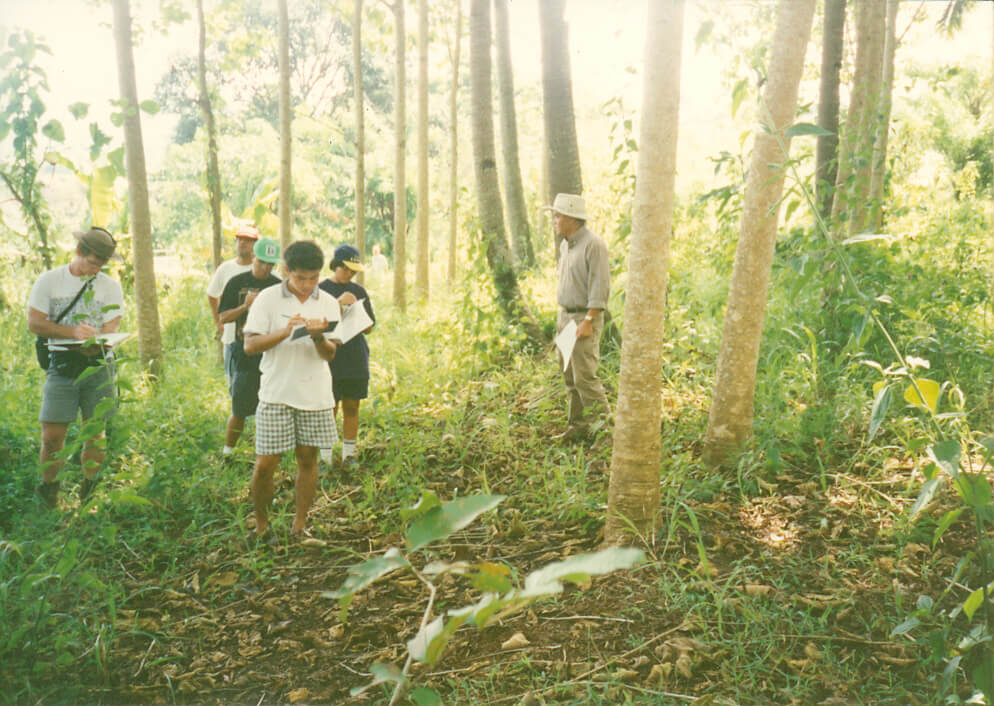
Field-based, interdisciplinary watershed/community work strengthens applied ARD
SEARCA undertakes integrated, landscape-based initiatives (uplands/watersheds/coastal communities), embedding interdisciplinary science and community realities into program design and policy learning.
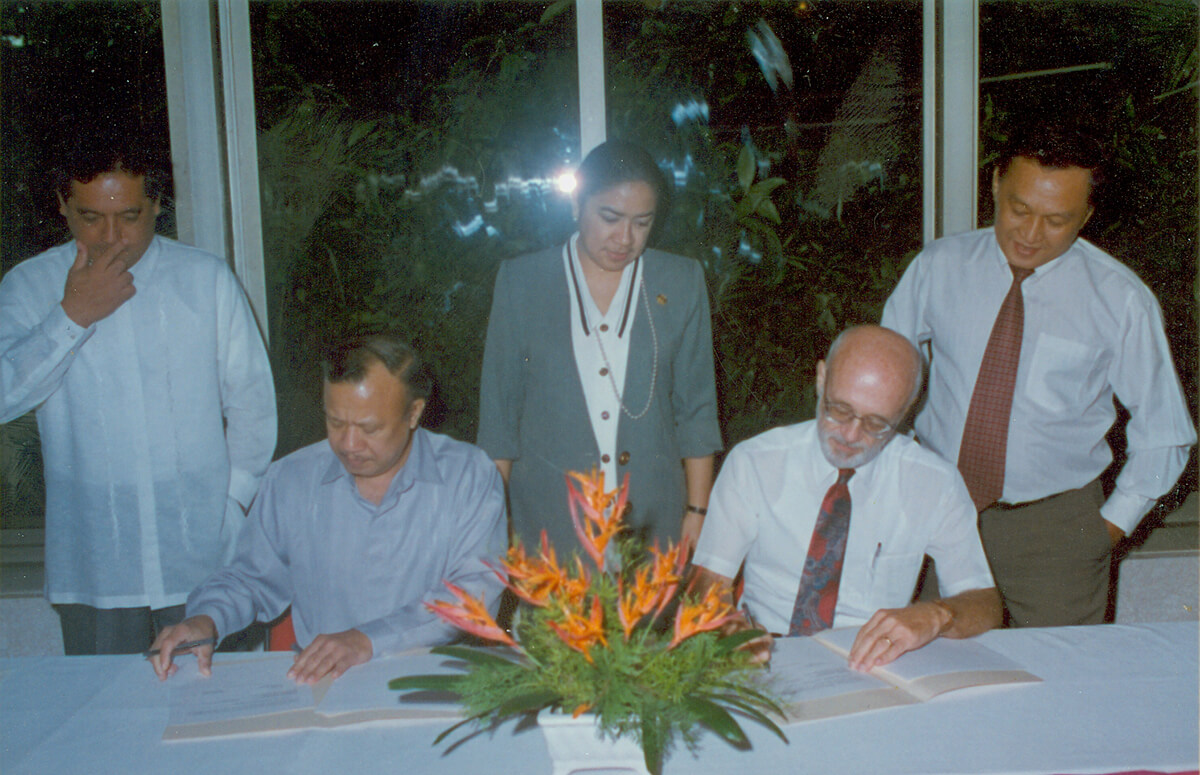
ConServ is established to strengthen financial sustainability
SEARCA creates a consulting services unit to generate resources for programs—an institutional resilience strategy that supports continuity amid shifting funding environments.
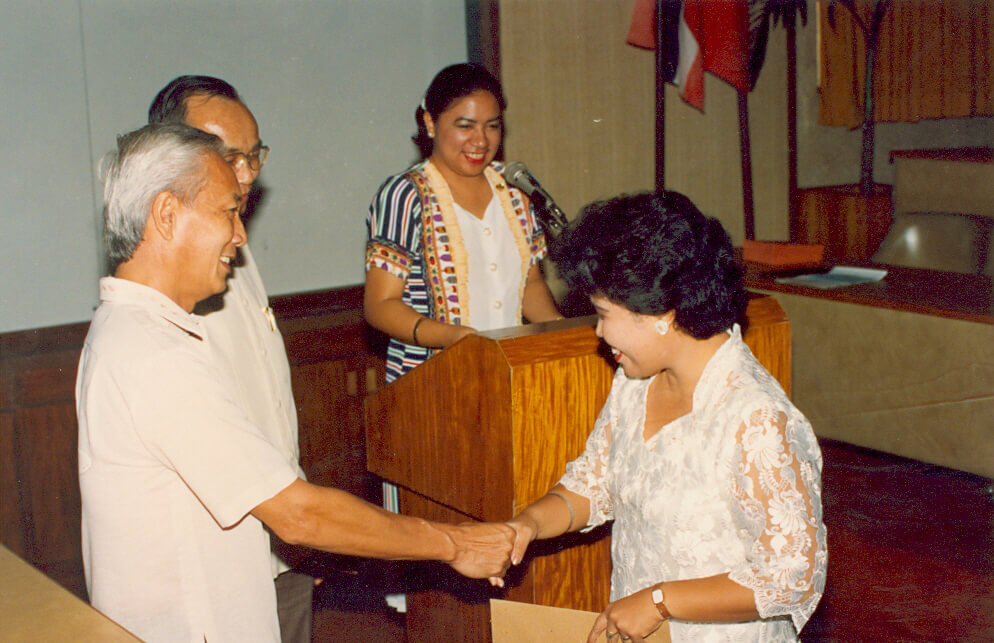
Training on commercialization of research results
SEARCA strengthens the “research-to-use” pipeline by training stakeholders on commercialization—moving beyond publication to utilization and scaling of innovations.
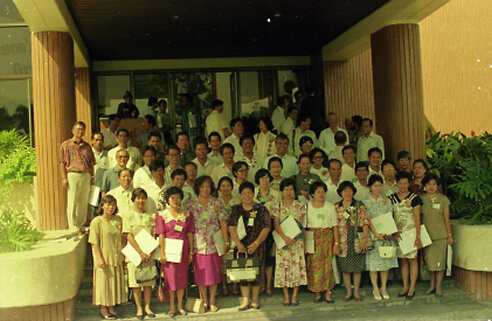
Alumni engagement deepens via homecomings and thematic seminars
Alumni convenings evolve into structured events that reinforce networks, country linkages, and collaboration opportunities—strengthening SEARCA’s community of practice across generations.
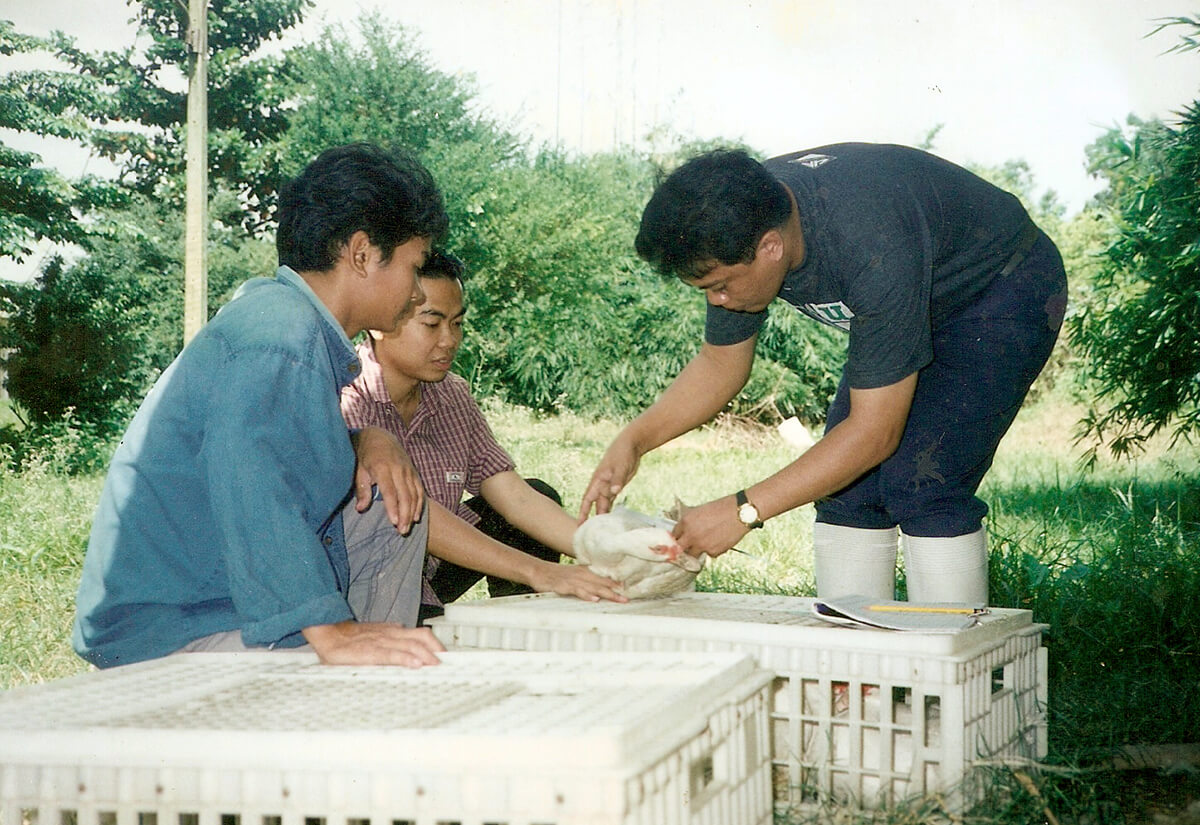
UC exchanges become tangible (student and faculty mobility)
UC delivers visible mobility outputs: students conduct research in other member universities and faculty participate in exchange visits—circulating expertise and strengthening institutional linkages.
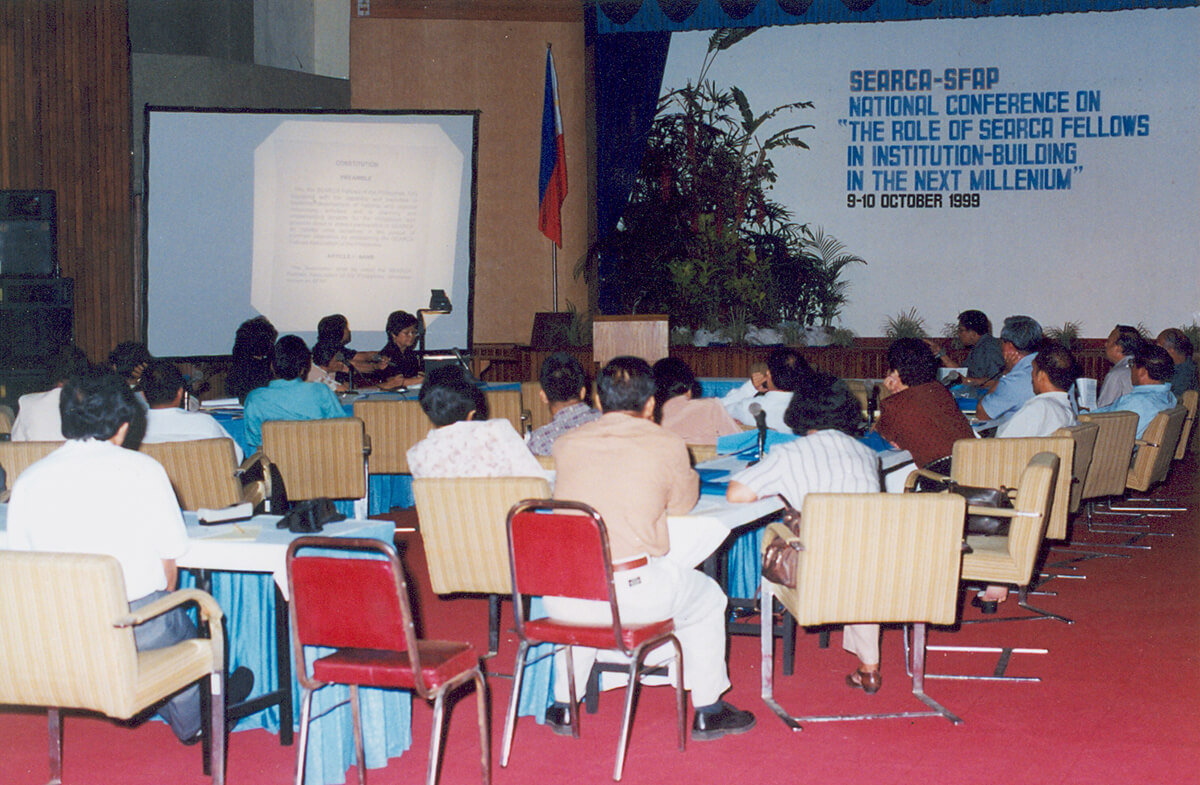
National-scale alumni association activity underscores leadership impact
SEARCA alumni associations mature into national convening forces, showing that SEARCA-trained leaders occupy influential positions and help shape ARD discourse at country level.
SEARCA in the 2000s
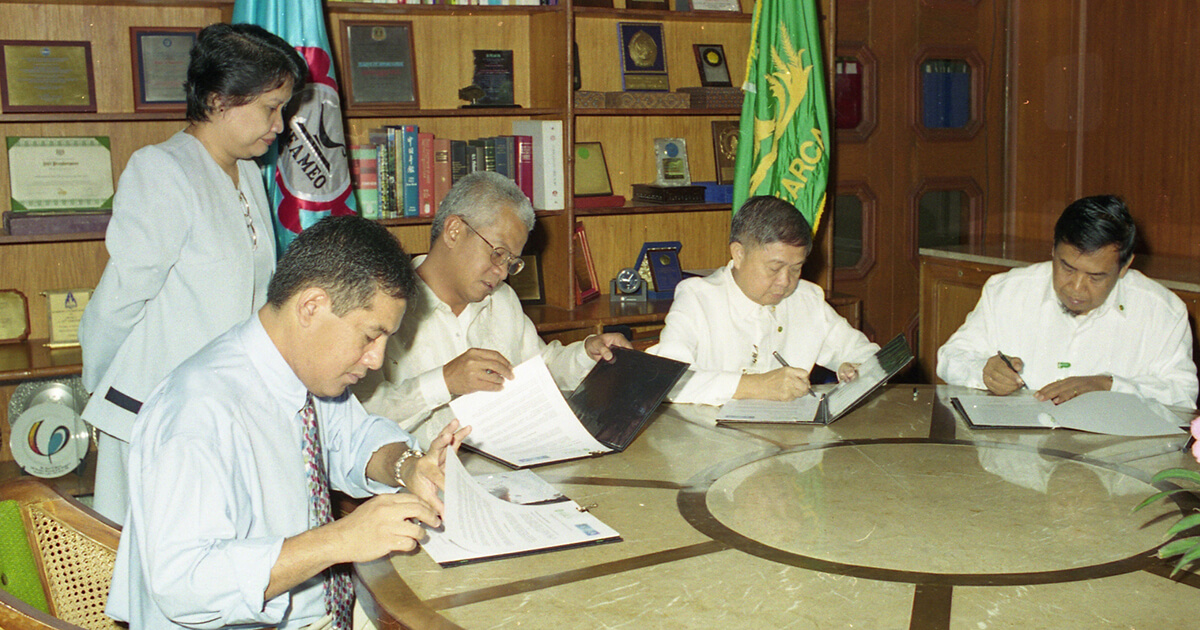
Biotechnology Information Center (BIC) is established
SEARCA establishes a specialized knowledge hub for agriculture biotechnology information, signaling the rise of thematic knowledge centers supporting decision-makers and practitioners.
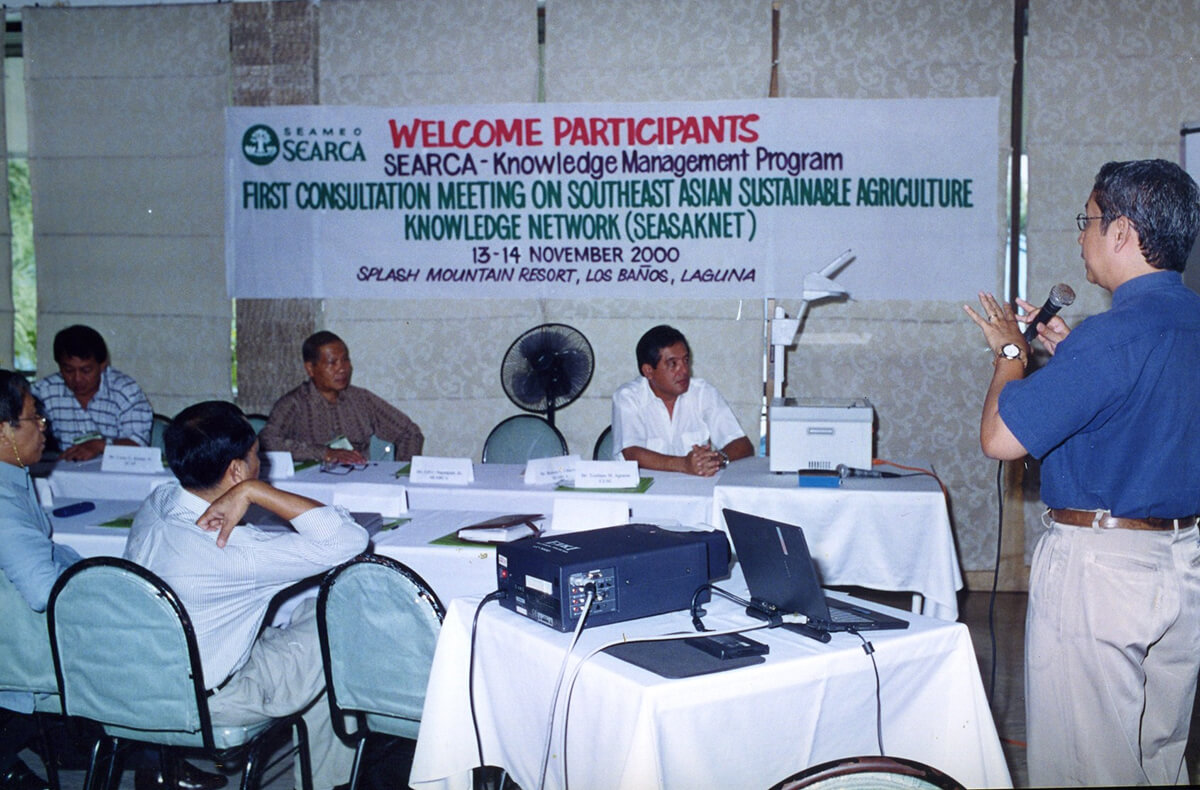
Consultation launches a sustainable agriculture knowledge network agenda
SEARCA convenes stakeholders to shape a Southeast Asian sustainable agriculture knowledge network—formalizing networked approaches to generating and sharing ARD knowledge.
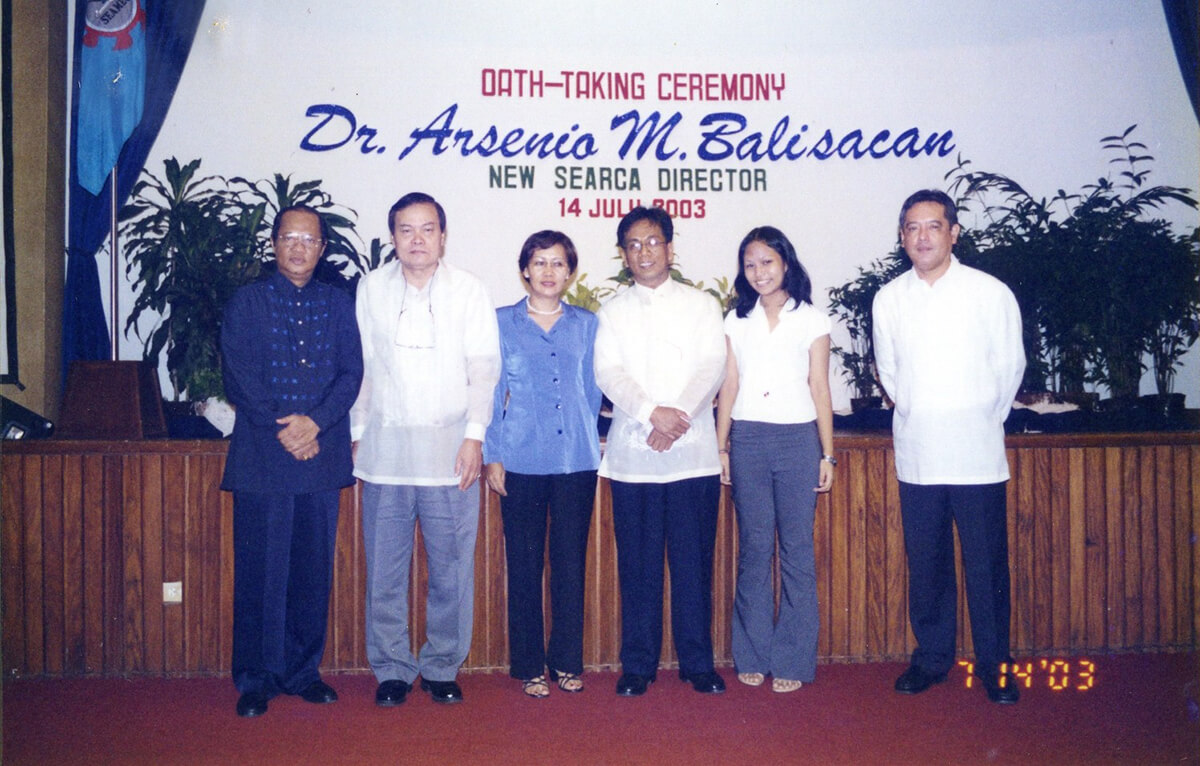
Appointment of the first Center Director who is a SEARCA scholarship alumnus
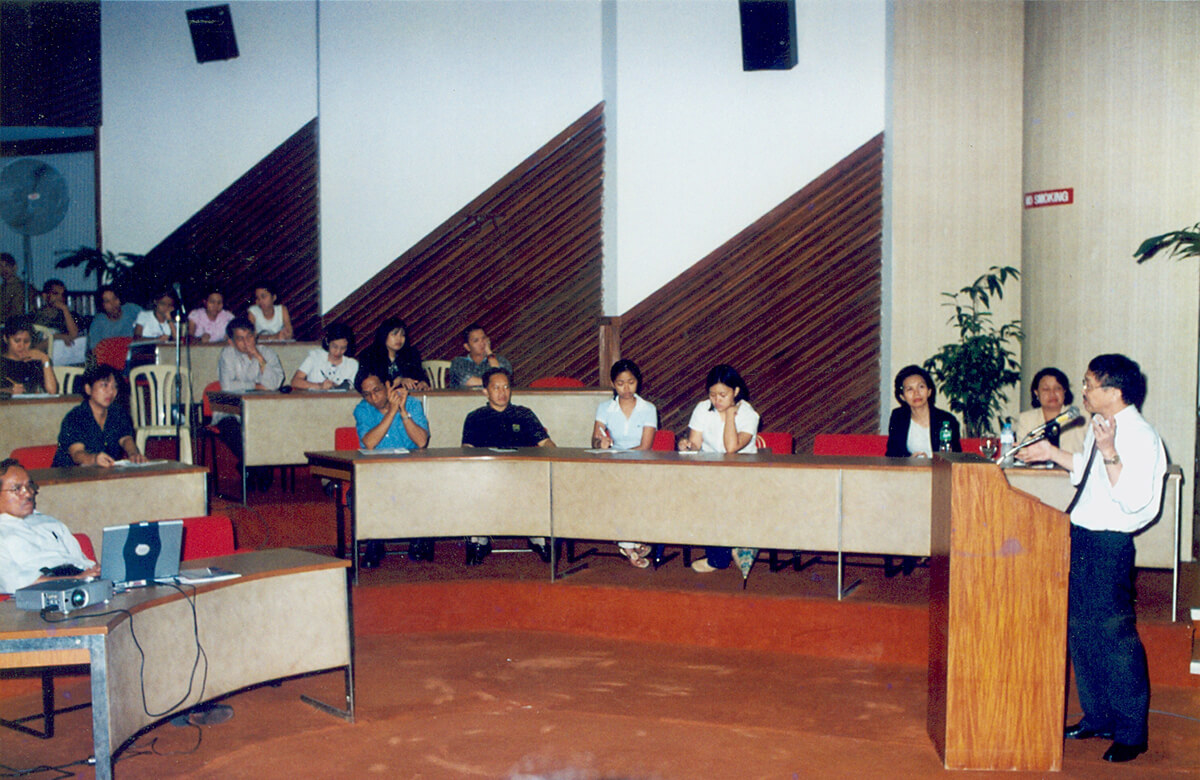
Agriculture and Development Seminar Series (ADSS) begins
SEARCA launches a continuing seminar platform for strategic ARD discussions—building a durable mechanism for knowledge exchange beyond one-off events.
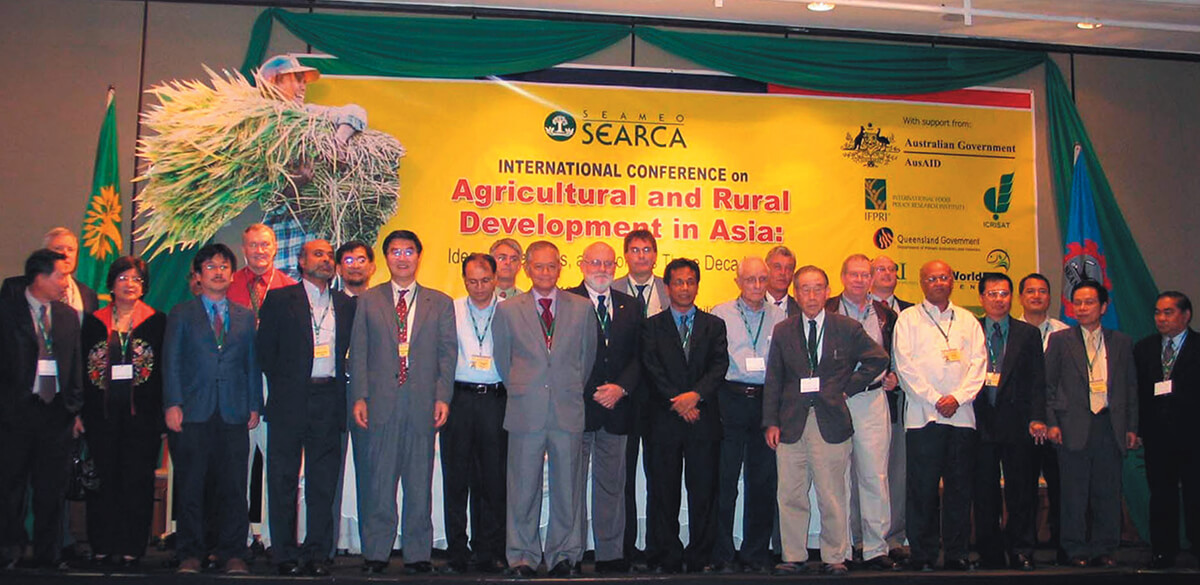
First International Conference on ARD
SEARCA convenes its first major international ARD conference, strengthening global visibility and converting conference insights into durable knowledge products through publication.
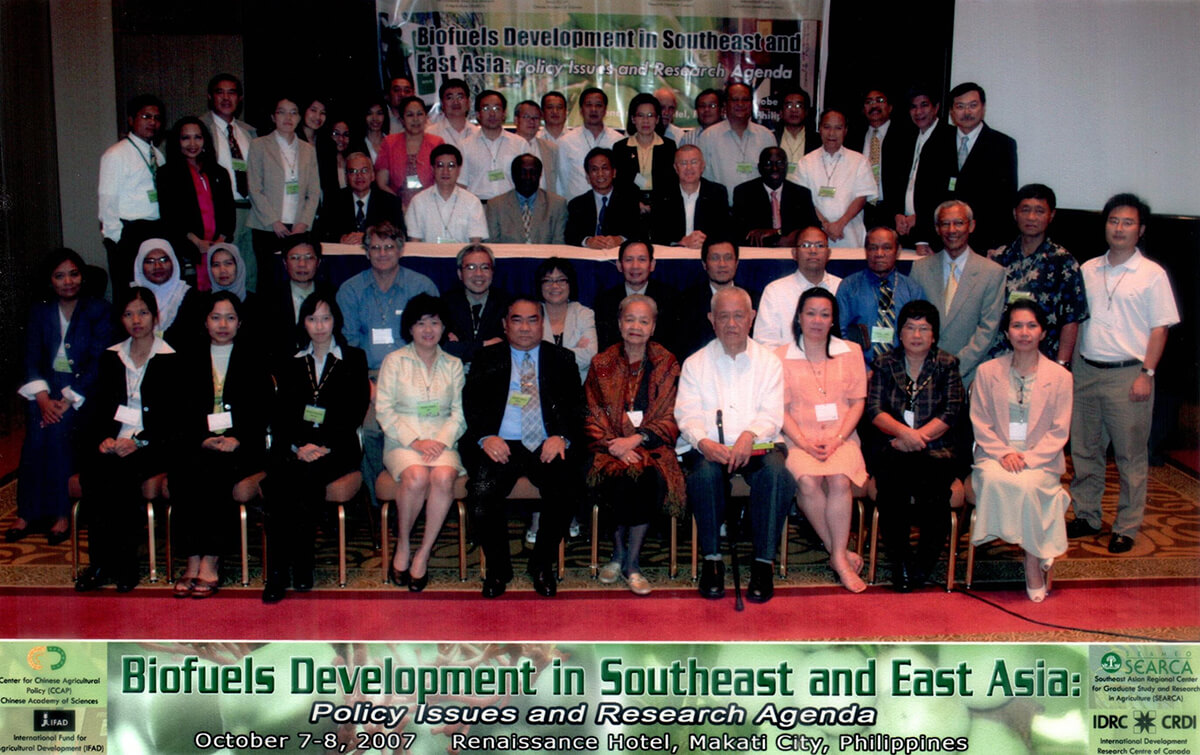
Conference on Biofuels Development
SEARCA responds to emerging agriculture-energy linkages by convening a dedicated conference—showing agility in addressing new ARD frontiers.
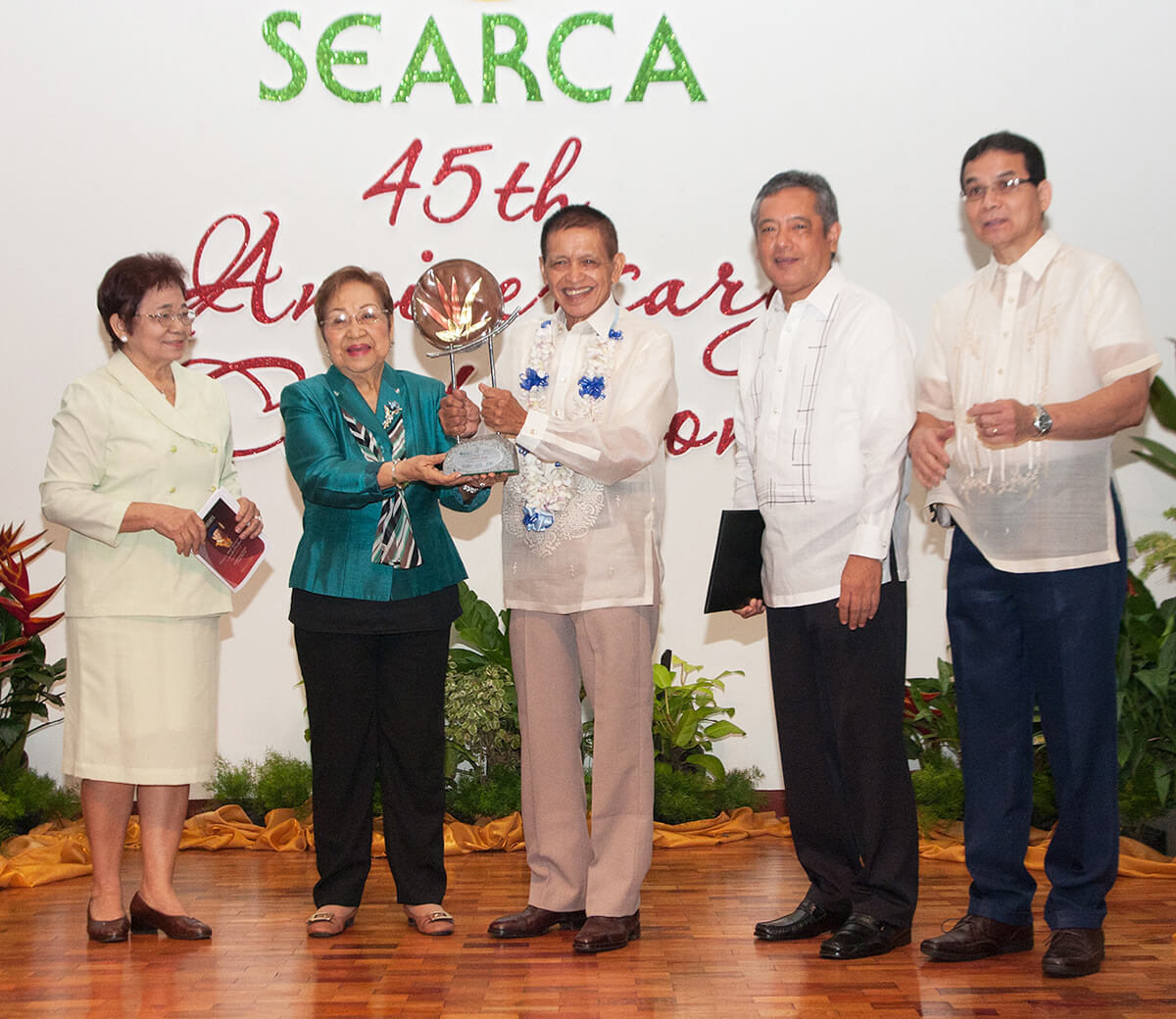
Dioscoro L. Umali Achievement Award is launched
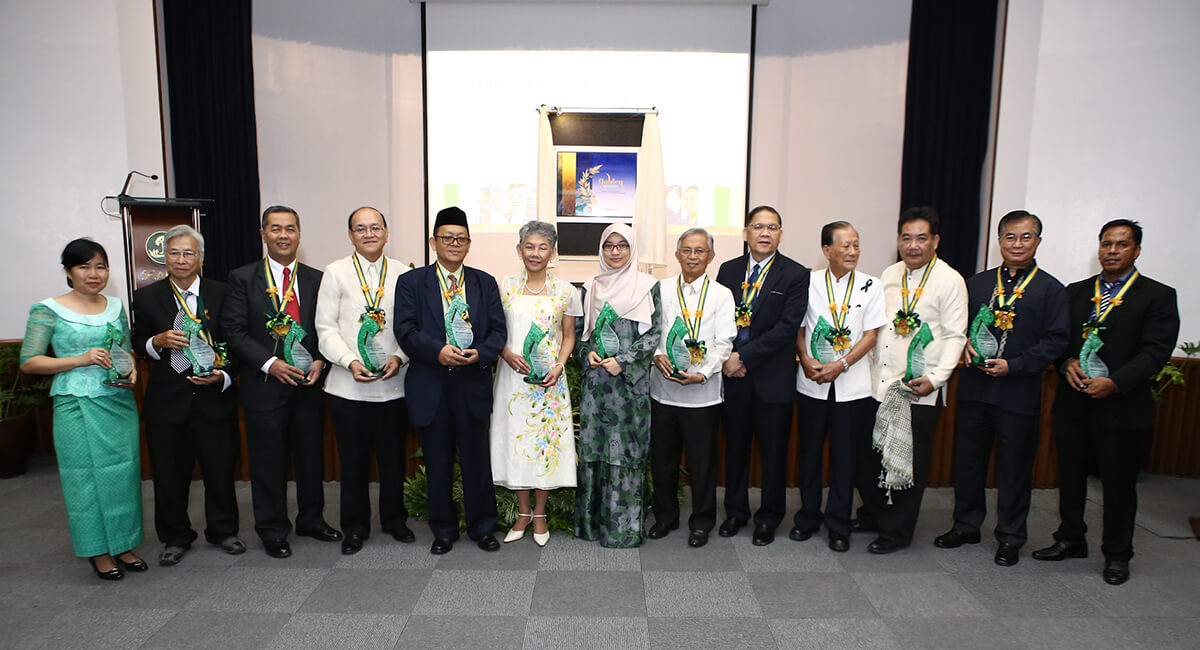
SEARCA institutionalizes regional recognition of excellence, leadership, and service in agricultural development—strengthening prestige, inspiration, and networks across Southeast Asia. View more about the DL Umali Award Lecture.
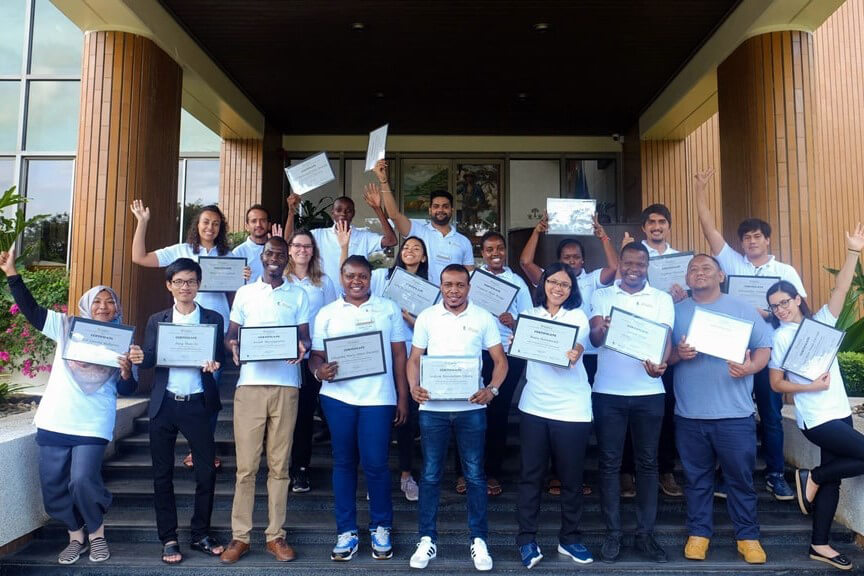
Strategic partnership with a Food Security Center strengthens SEARCA’s food security focus
SEARCA becomes a strategic partner of a major food security center, taking on responsibilities such as organizing courses and summer schools—expanding SEARCA’s international academic-development collaborations.
SEARCA in the 2010s
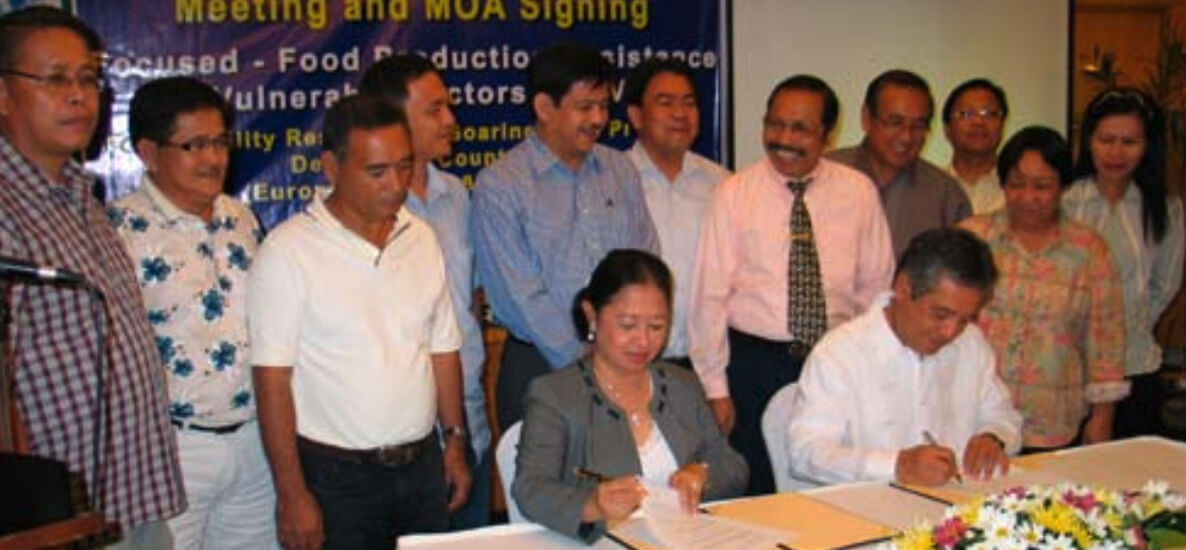
SEARCA signed memoranda of agreement with six Philippine provincial governments to benefit from its implementation of the EUR 3.09 million EU-funded Focused Food Production Assistance to Vulnerable Sectors project
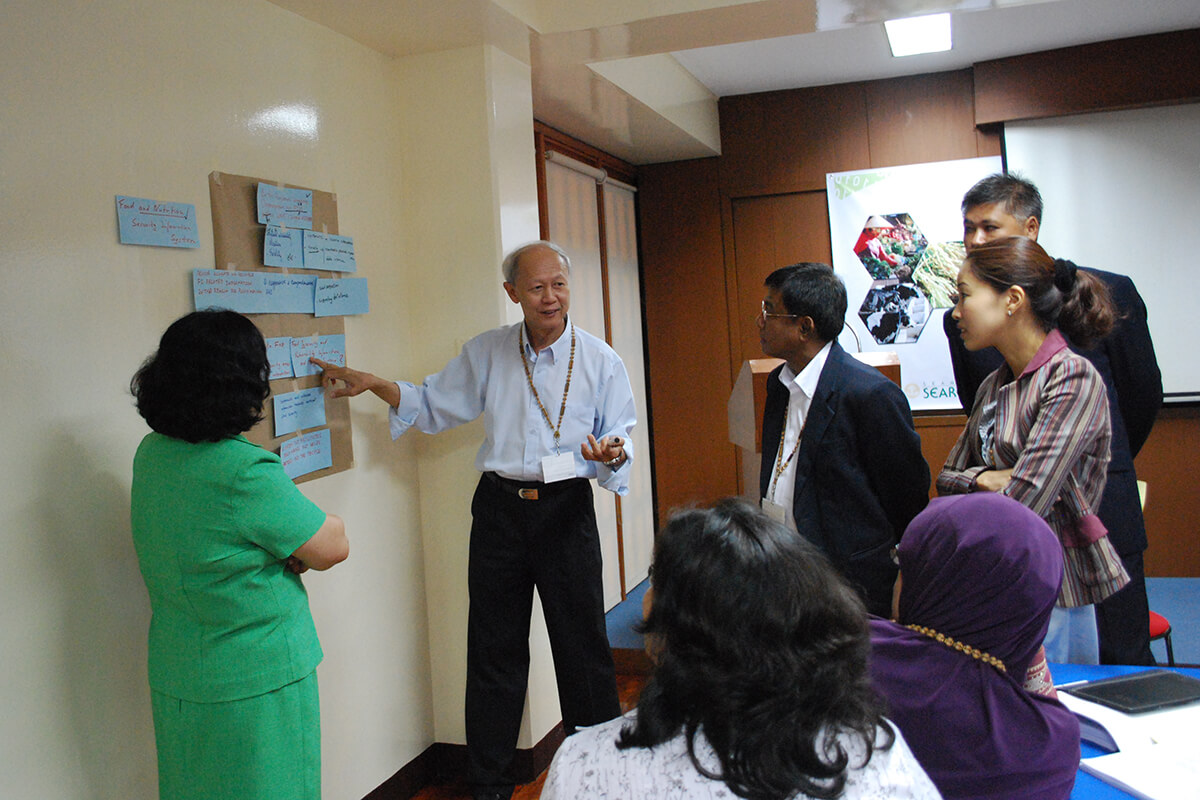
Policy roundtable on food security through improved information networks
SEARCA convenes a policy roundtable linking food security outcomes with information systems, emphasizing that better networks and knowledge flows are development enablers.
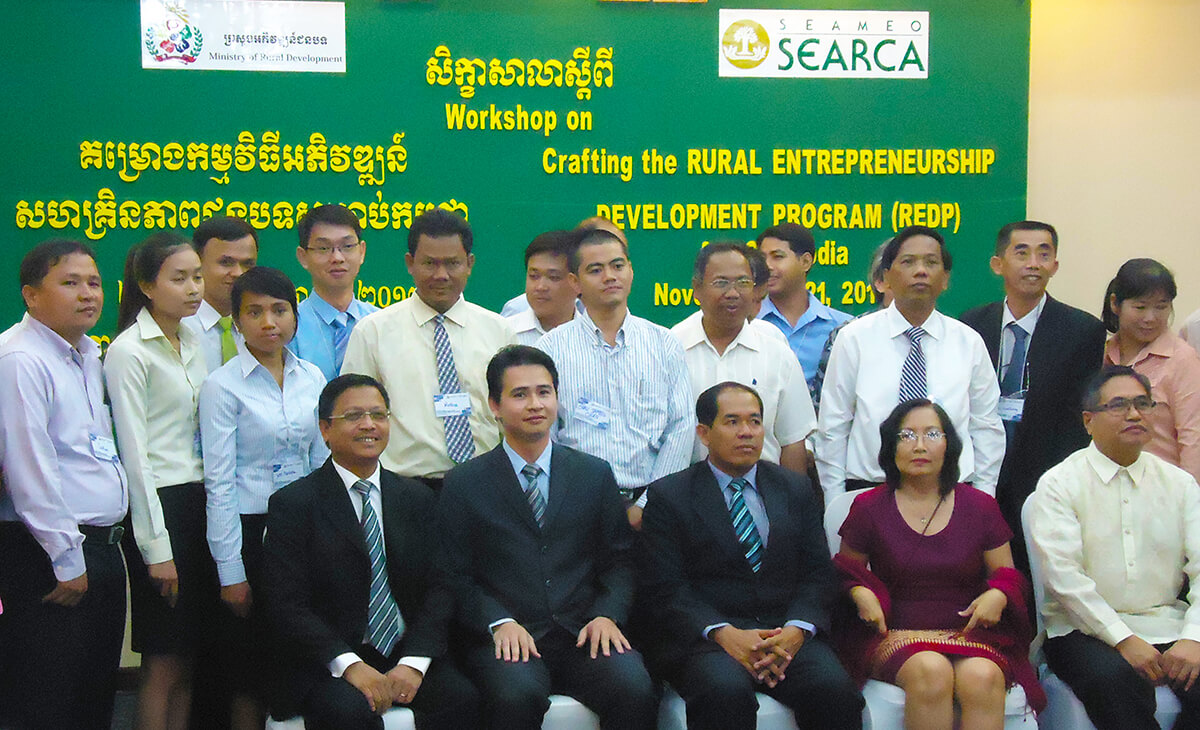
Institutional development assistance becomes a focused strategy
SEARCA intensifies institutional support in selected universities (e.g., strategic planning, curriculum development, mentoring workshops, capability building), strengthening ARD higher education and research capacity where it is most needed.
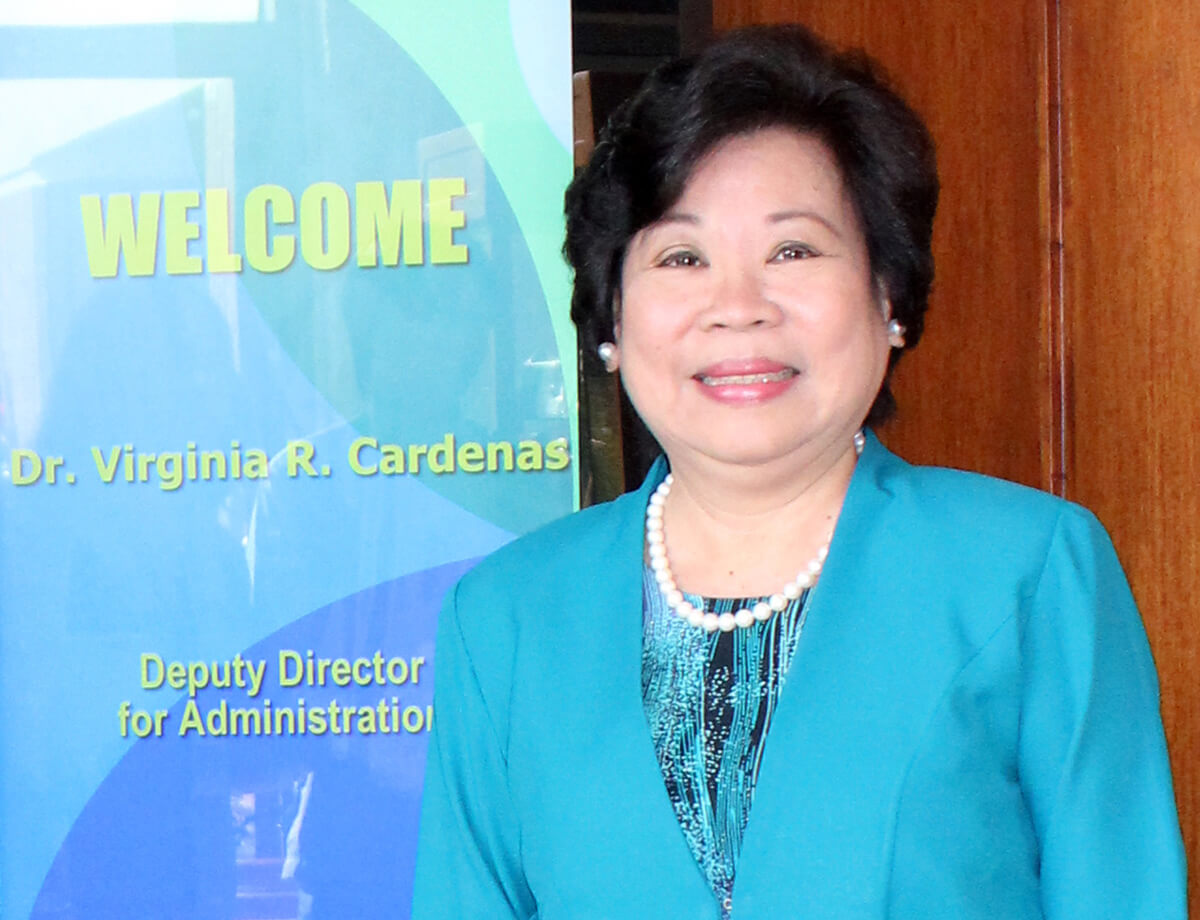
First female Deputy Director for Administration appointed
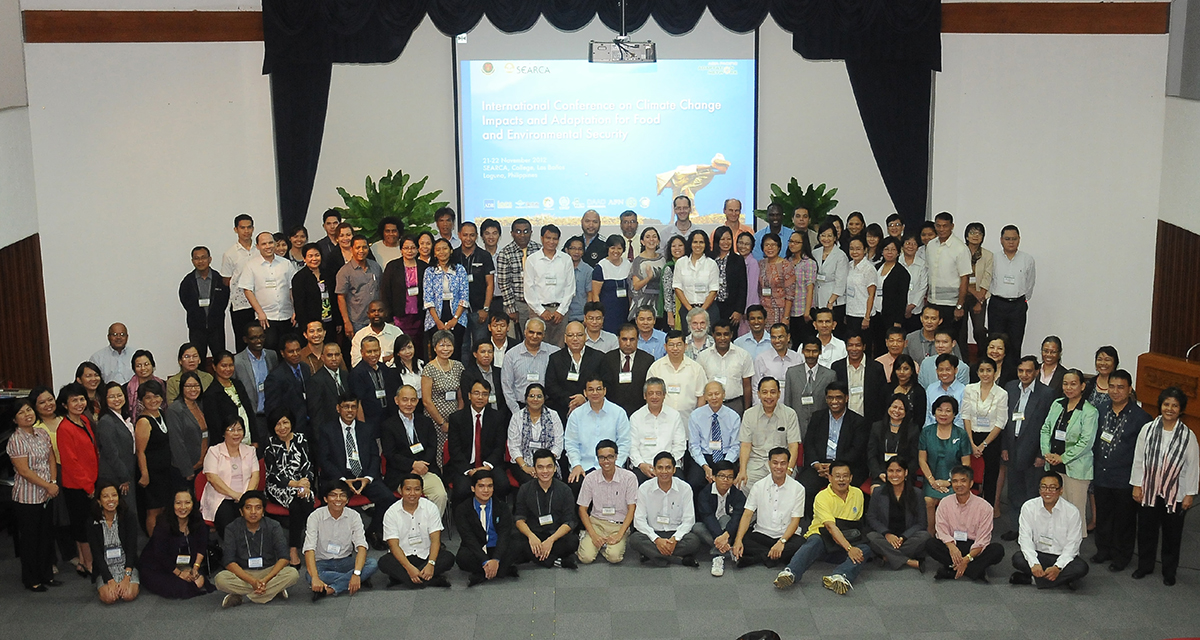
International conference on climate change impacts and adaptation
SEARCA deepens climate-resilience leadership through a major conference addressing impacts and adaptation for food and environmental security, reinforcing climate as a central ARD agenda.
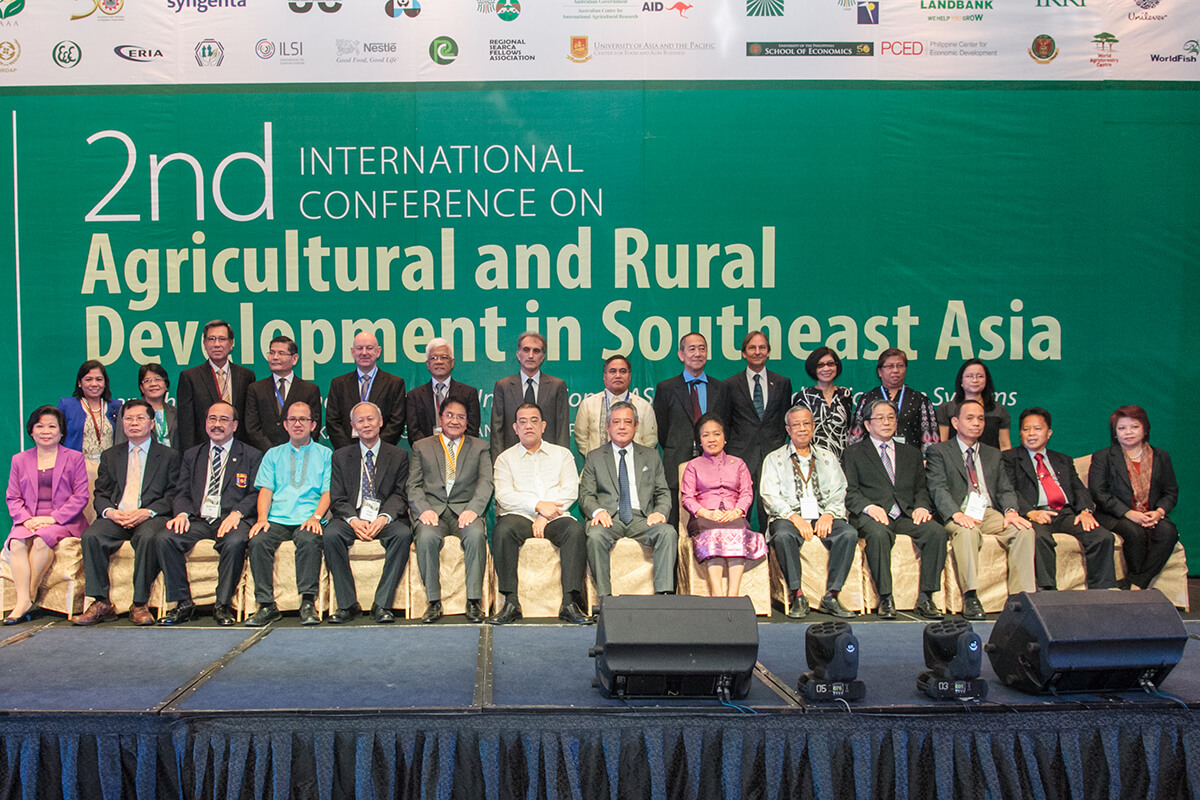
Second International ARD conference strengthens SEARCA's convening-to-publication pipeline
SEARCA sustains its international convening platform and strengthens the pathway from discourse → documentation → dissemination, including public launches of outputs and wider stakeholder reach. Read more about the Second International ARD conference.
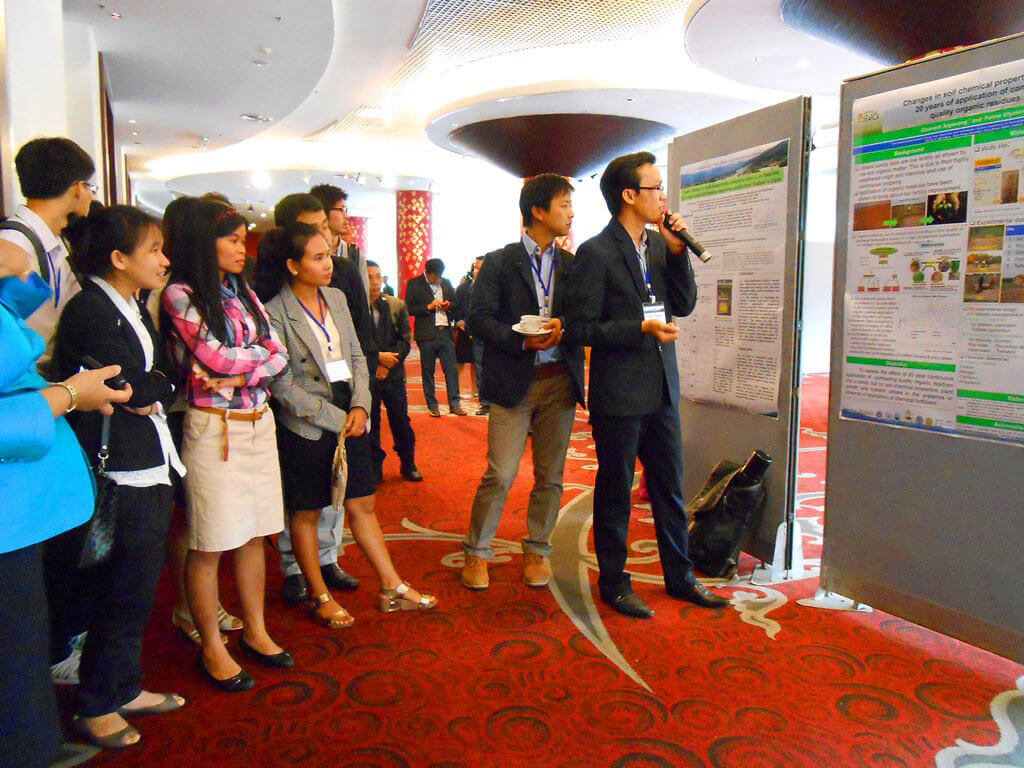
IDRC fellowships strengthen capacity for CLMV nationals (with visible scholar achievements)
SEARCA administers a fellowship program focused on upland agriculture and related themes, supporting advanced training while highlighting scholar outputs (e.g., poster awards, conference participation).
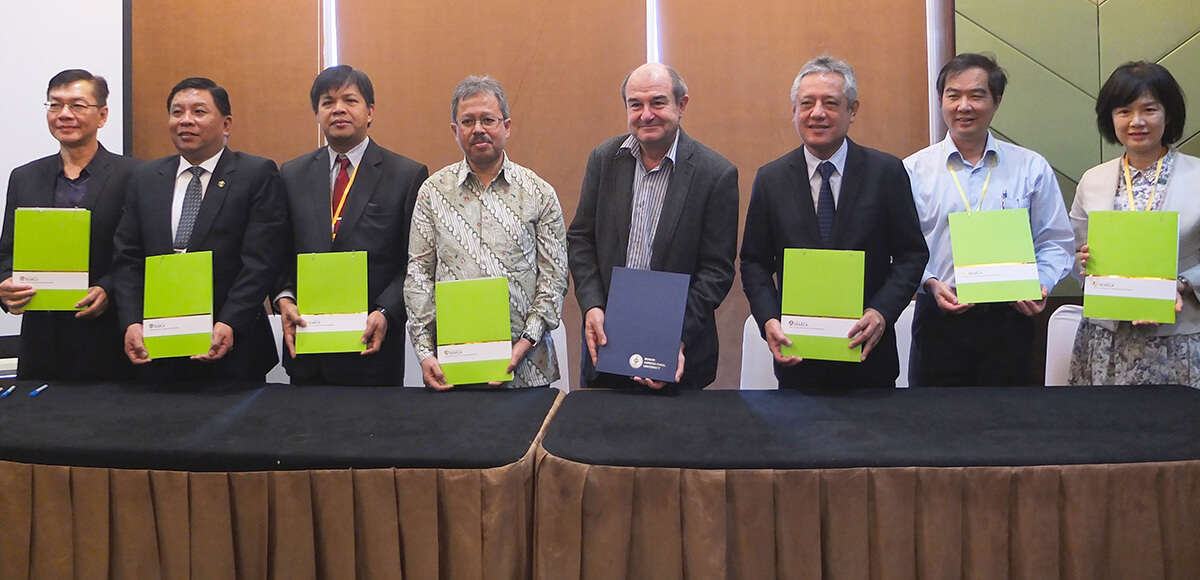
UC expands to joint/dual degrees and summer schools (with Agrinatura collaboration)
SEARCA and UC partners upgrade higher-education collaboration by enabling joint/dual degrees and new learning modalities, modernizing the consortium’s relevance for the next decade.
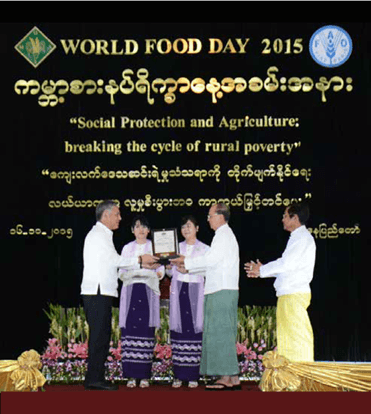
National recognition in Myanmar for sustained support
SEARCA receives formal recognition during a World Food Day event in Myanmar, reflecting long-term trust and acknowledged national impact through human resource development support.
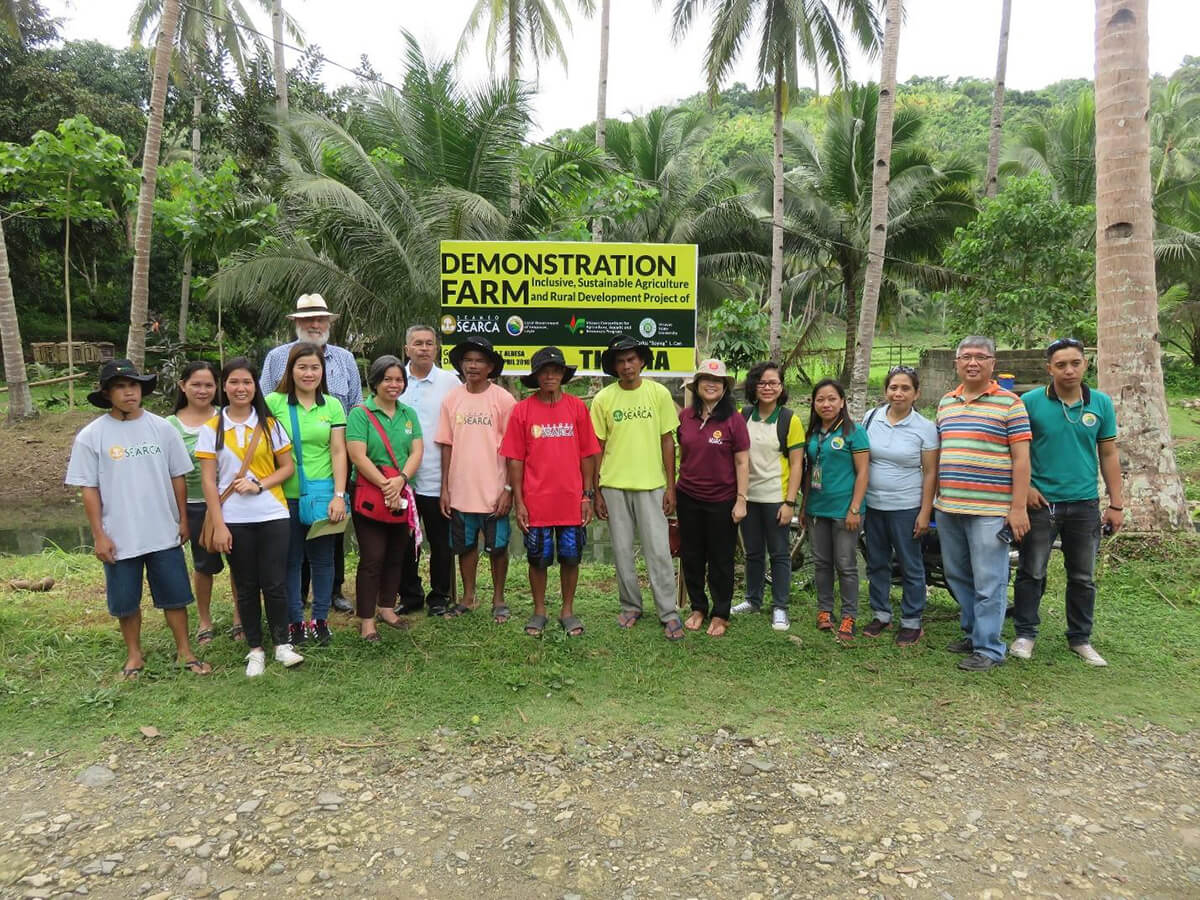
ISARD pilots and demonstration farms are launched
SEARCA advances inclusive and sustainable ARD by implementing pilot initiatives with farmers’ associations, LGUs, universities, and stakeholders—culminating in the launch of demonstration farms as visible proof-of-concept for scalable models.
SEARCA in the 2020s
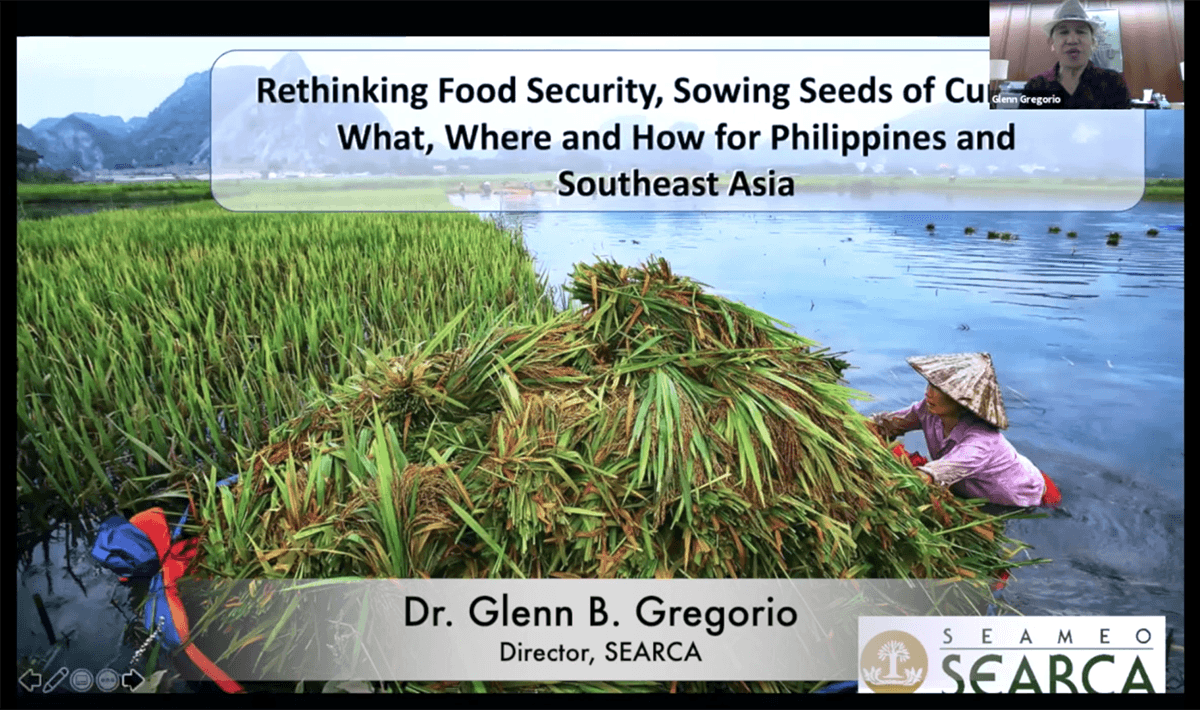
SEARCA Online Learning and Virtual Engagement (SOLVE) platform is launched
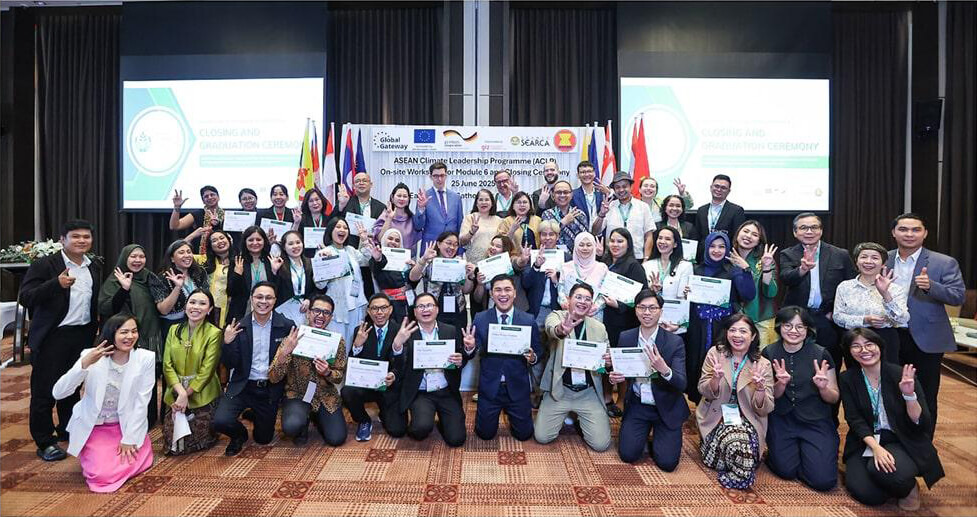
SEARCA and GIZ launch the ASEAN Climate Leadership Programme (ACLP)
A landmark regional leadership program linking climate-smart land use, policy, and food security—strong "regionwide relevance" milestone. Learn more about ACLP.
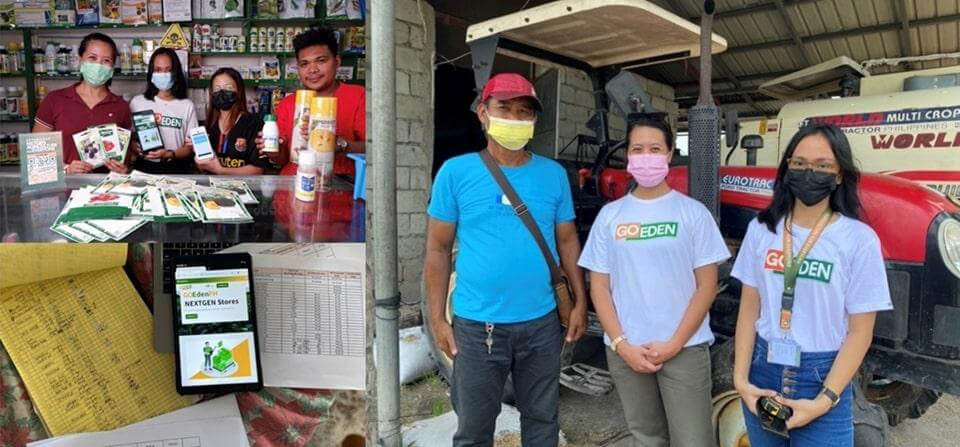
Grants for Research toward Agricultural Innovative Solutions (GRAINS) launched
SEARCA launches GRAINS, opening regional support for agri-innovators to scale practical solutions for Southeast Asian farming communities.
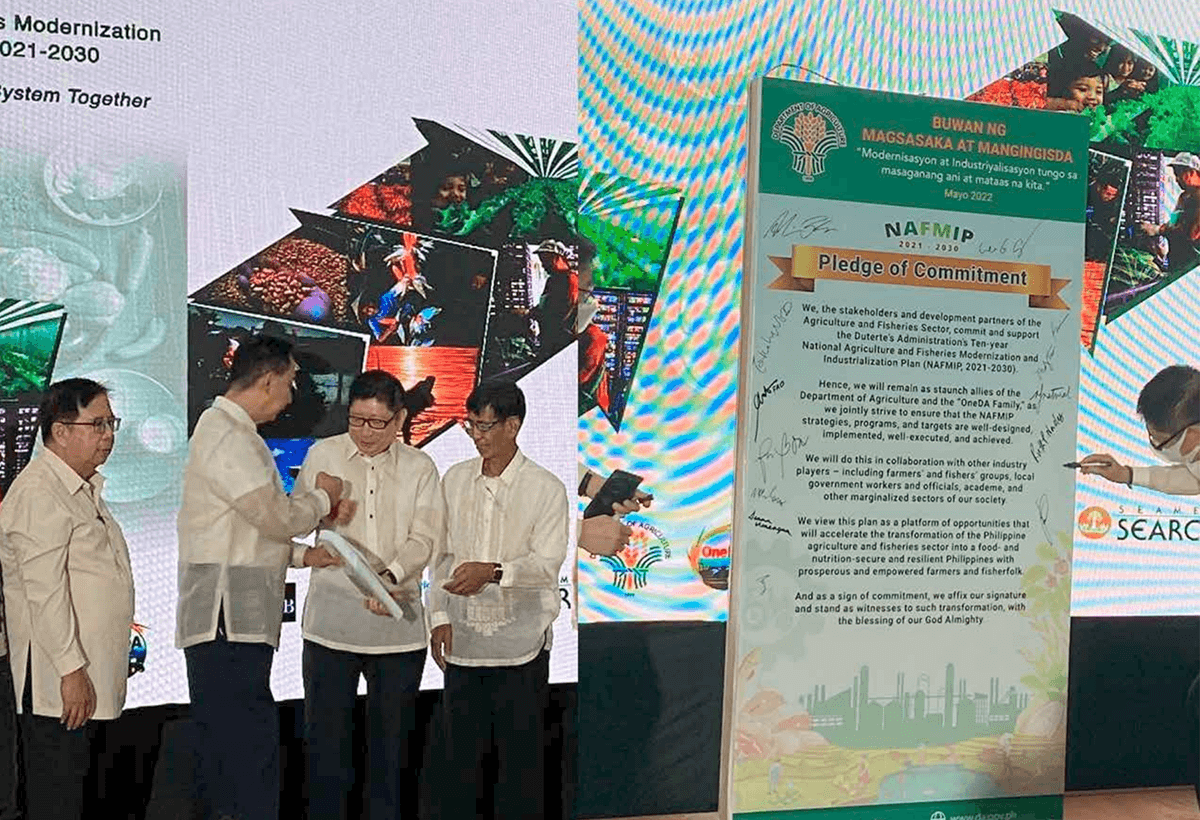
SEARCA contributes to the PH National Agri-Fishery Modernization & Industrialization Plan (NAFMIP) 2021–2030
A high-level policy and program advisory milestone that’s easy to visualize as "SEARCA shaping national policy frameworks." Learn more about NAFMIP.
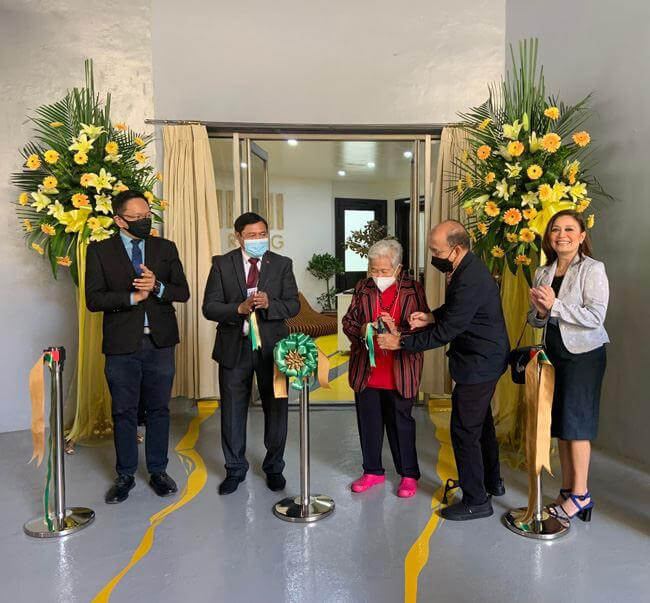
SEARCA Hub for Agriculture and Rural Innovation for the Next Generation (SHARING) inauguration
Establishment of SHARING as a branded innovation hub and a visible infrastructure investment for the youth/innovation agenda.
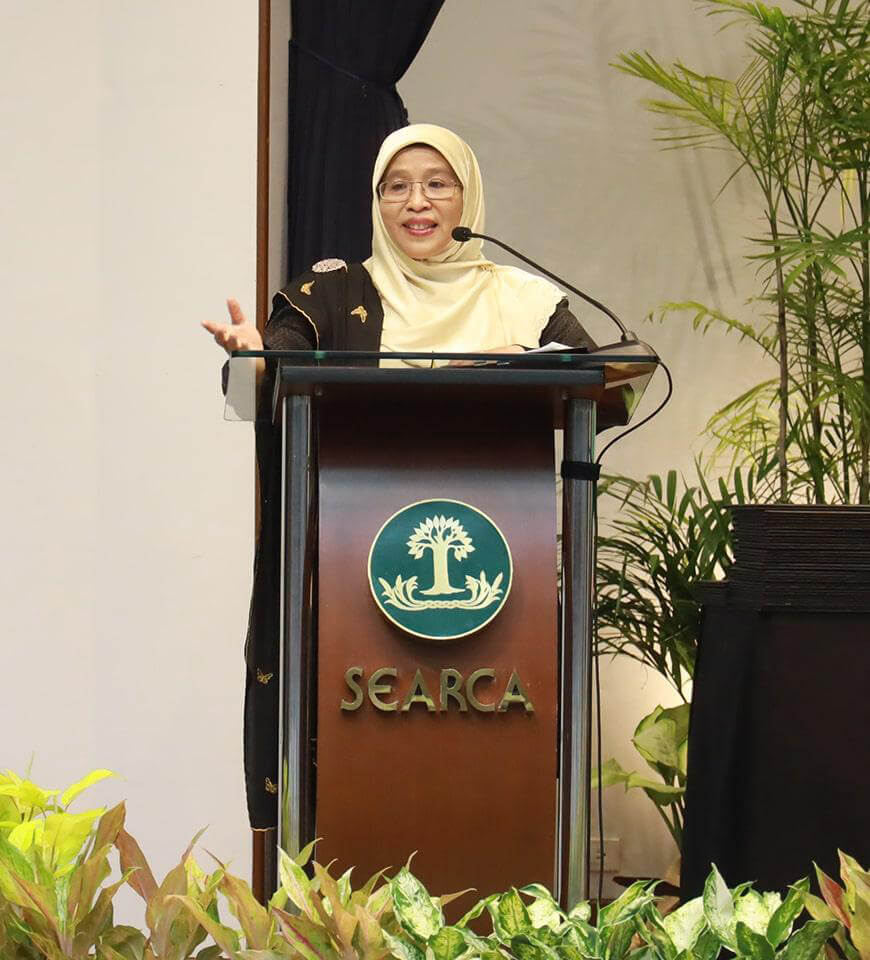
First woman appointed as Deputy Director for Programs
Institutional firsts (nationality and gender) and the filling of a role described as having been vacant for years—strong governance/leadership marker.
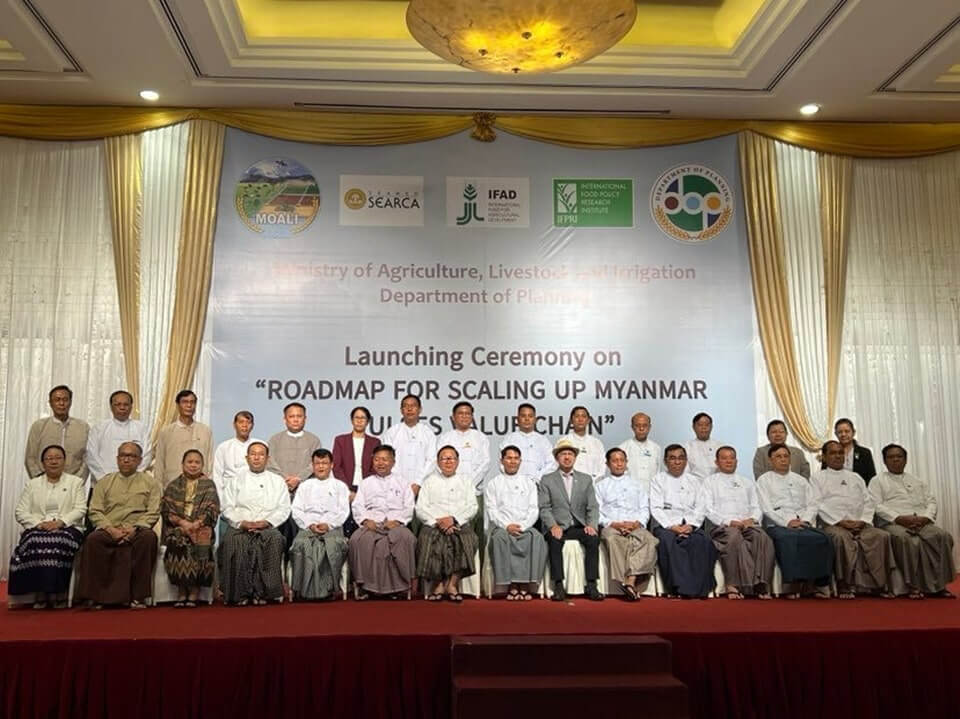
SEARCA and IFPRI co-implemented project directly impacts Myanmar agricultural policy with launch of Myanmar National Pulses Roadmap (2021–2025) in Nay Pyi Taw.
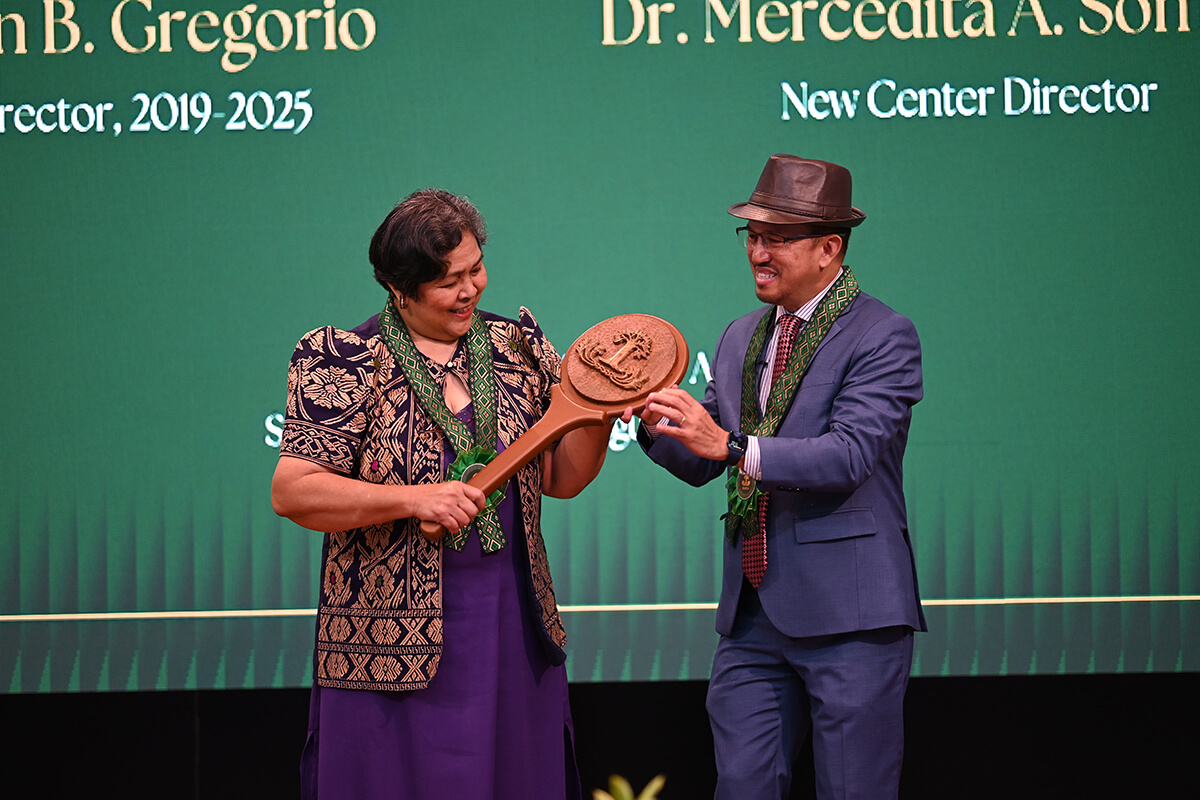
First woman Center Director assumes office
Historic leadership first: Dr. Mercedita A. Sombilla appointed as the 12th Director and first woman to lead SEARCA.


