2026 Conference on SUSTAINing Southeast Asia's Agricultural Futures
As SEARCA celebrates 60 years of advancing agricultural and rural development in Southeast Asia, we bring together scholars, alumni, experts, and partners for the 2026 Conference on SUSTAINing Southeast Asia's Agricultural Futures, happening on 19–20 October 2026 at the SEARCA Headquarters, UPLB Campus, College, Los Baños, Laguna, Philippines.
This year's conference will feature 43 paper presenters across six parallel sessions, highlighting research, innovations, and perspectives that contribute to more sustainable, resilient, and inclusive agricultural and food systems in Southeast Asia. A special session on "The Future of Learning: Innovations in Education and Micro-Credentials in Southeast Asia" will also be held in partnership with the ERASMUS+ co-funded Postgraduate Micro-Credentials for Food Security and Climate Change (PMC FSCC) Project. The session will explore emerging approaches to flexible, innovative higher education that can equip learners and institutions to respond to the region's evolving challenges in food security, climate change, and sustainable development.
The conference will culminate in an afternoon dedicated to celebrating the SEARCA scholarship community through the 2026 Outstanding SEARCA Scholarship Alumni (OSSA) Awarding Ceremony, followed by Dinner and the Regional SEARCA Scholarship Alumni (RSAA) Homecoming.
Join us as we bring together generations of SEARCA scholars and partners to exchange knowledge, strengthen connections, and help shape the future of agriculture in Southeast Asia.
Conference Speakers
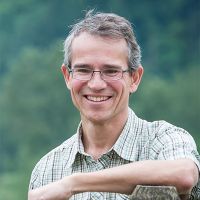
Dr. Daniel Weary
Professor and Associate Dean
Graduate and Postdoctoral Studies
Faculty of Land and Food Systems
University of British Columbia
Canada
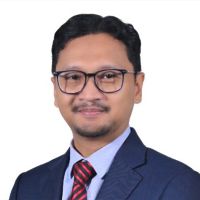
Prof. Ts. Dr. M. Iqbal Bin Saripan, FASc. CEng, SMIEEE
Deputy CEO
(Quality Assurance)
Malaysian Qualifications Agency
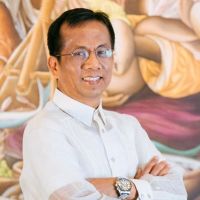
Dr. Arsenio M. Balisacan
Secretary
Department of Economy Planning and Development
Philippines
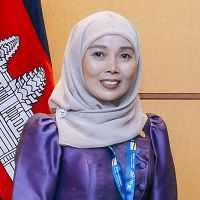
Dr. Asikin Yoeu
Undersecretary of State for International Cooperation
Ministry of Agriculture, Forestry and Fisheries
Cambodia
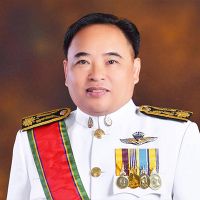
Dr. Weerapon Thongma
President
Maejo University
Thailand
and Vice President
Regional SEARCA Alumni Association (RSAA)
The Southeast Asian Regional Center for Graduate Study and Research in Agriculture (SEARCA) was established in 1966 by the Southeast Asian Ministers of Education Organization (SEAMEO) to strengthen agricultural and rural development in Southeast Asia through graduate education, research, and institutional development. Its Graduate Study Program, launched in Academic Year 1968–1969, is the Center's longest-running program and remains central to SEARCA's mandate of building the capacities of future leaders, researchers, educators, and development practitioners in agriculture and related fields.
Since its inception, the Graduate Study Program has supported Southeast Asian nationals in pursuing master's and doctoral degrees, through an expanded network of universities across the region and beyond. Over the years, SEARCA's scholarship program has produced graduates who have assumed leadership and technical roles in government, higher education, research institutions, agricultural enterprises, and development organizations. Their work has contributed to strengthening national and regional capacities in agricultural productivity, rural development, food security, natural resource management, and climate resilience.
Conference Subthemes
The conference's subthemes align directly with the 4 SUSTAIN outcomes: Pocket, Plate, Place, and People.
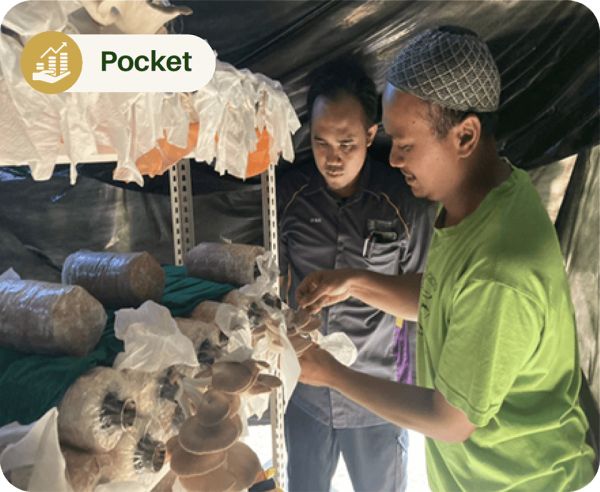
Conference Subtheme:
– Sustaining Smallholder Livelihoods through Resilient Farm Enterprises
– Sustaining Agricultural Productivity through Crop Innovation
Scope and Illustrative Focus Areas:
Farm productivity, mechanization, rural enterprises, value chains, agribusiness, livelihood resilience, market participation, and income-oriented agricultural systems.
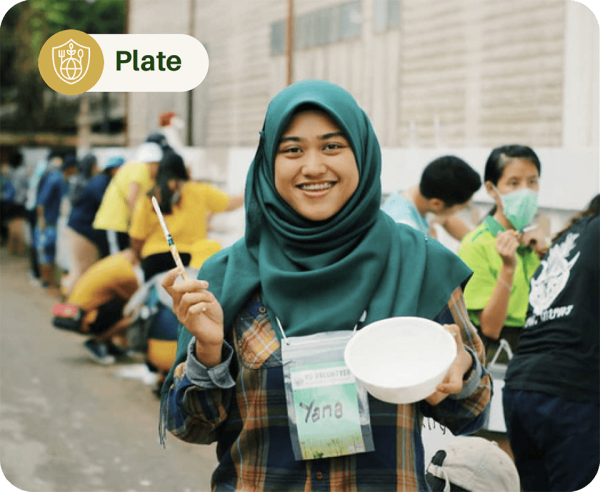
Plate
Conference Subtheme:
Sustaining Healthy Food Systems through Quality, Nutrition, and Innovation
Scope and Illustrative Focus Areas:
Food security, nutrition-sensitive agriculture, food processing, functional foods, nutrient-rich crops, safe and sustainable food systems, and food product innovation.
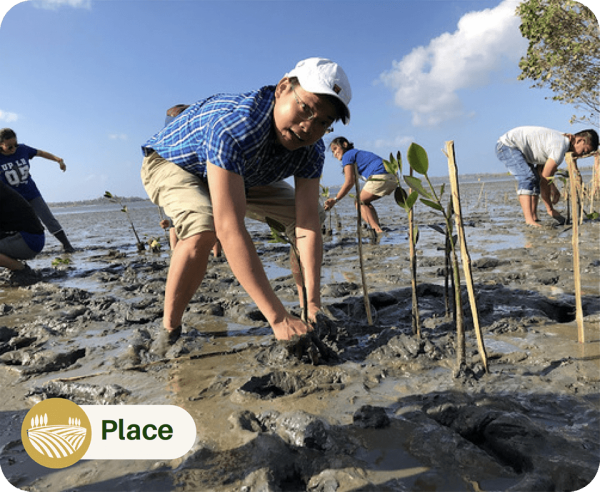
Place
Conference Subtheme:
– Sustaining Resilient Landscapes through Climate Adaptation
– Sustaining Biodiversity and Communities through Environmental Resilience
Scope and Illustrative Focus Areas:
Climate adaptation, biodiversity, watershed and natural resource management, fisheries and coastal systems, crop and livestock resilience, disaster risk reduction, and ecosystem restoration.
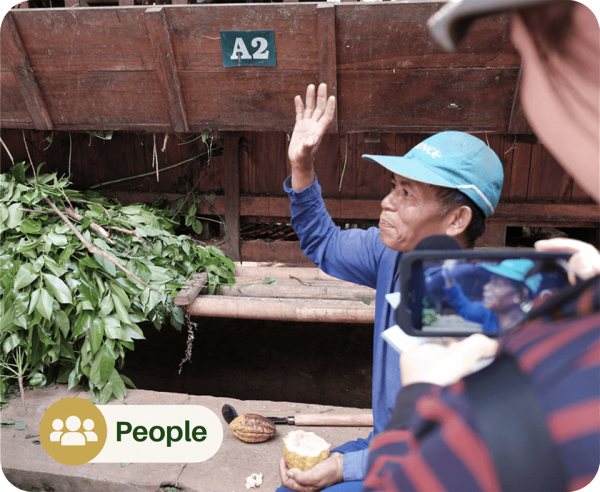
People
Conference Subtheme:
Sustaining Agricultural Transformation through Inclusion and Innovation
Scope and Illustrative Focus Areas:
Technology adoption, agricultural education and extension, policy and governance, women's empowerment, institutional innovation, science communication, One Health systems, and inclusive innovation ecosystems.
Conference Fees
(Non SEARCA scholar/alumni)
Registration Fee
The fee covers the conference kit and meals served during the official program: lunch for 2 days, snacks, the welcome dinner on 19 October.
SEARCA Alumni Homecoming Dinner
Participants and guests who wish to attend the SEARCA Alumni Homecoming Dinner on 20 October may do so for an additional fee.
Participants
The conference will bring together varied participants, including:
SEARCA scholars and alumni, in particular DAAD–SEARCA scholars and alumni
Current graduate scholars supported by SEARCA and its partners
University officials, faculty members, and researchers from SEARCA's partner universities
Representatives from government agencies, development organizations, and research institutions
Experts and practitioners working in agriculture, food systems, climate resilience, and rural development
Program
| 7:30 a.m. | Registration | |||||||||||||||
| 8:10 a.m. | SEAMEO Colors | |||||||||||||||
| 8:20 a.m. | Welcome Remarks | Dr. Mercedita Sombilla | ||||||||||||||
| Opening Messages | Datuk Dr. Habibah Abdul Rahim Prof. Dr. Ir. Asdi Agustar | |||||||||||||||
| 8:50 a.m. | Keynote Address | Dr. Daniel Weary Prof. Dr. M Iqbal Saripan | ||||||||||||||
| 9:50 a.m. | Photo Opportunity with all delegates and SEARCA officials | |||||||||||||||
| 10:00–10:20 a.m. | Break | |||||||||||||||
| 10:20 a.m.–12:20 p.m. | Special Session: | |||||||||||||||
| Dr. Peter Sy Vice President for Digital Transformation (OVPDx) University of the Philippines Associate Professor of Philosophy University of the Philippines - Diliman | Building a National Micro-credential Consortium in the Philippines | |||||||||||||||
| Dr. Dennis B. Batangan Public Health Specialist Research Program Director and Research Scientist, Dr. Rosita G. Leong School of Social Sciences (RGLSOSS) Ateneo de Manila University Philippines | Application of Flexible Learning in Community and Public Health Programs | |||||||||||||||
| Dr. Finaflor F. Taylan Dean, Faculty of Management and Development Studies UP Open University | Role of an open university in extending flexible learning opportunities to communities | |||||||||||||||
| Ms. Arie Susanty Research & Development Division SEAMEO Regional Open Learning Center (SEAMOLEC) Indonesia | Strengthening Regional Workforce Competencies through Flexible and Distance Learning | |||||||||||||||
Mr. Panupong Sriudom Ms. Christelle Mae Agustin | Micro-Credentials for the Future of ASEAN Higher Education | |||||||||||||||
| Dr. Juan Robertino "Robbie" Macalde Manager, Learning Development and Management Office SEAMEO Regional Center for Educational Innovation and Technology (INNOTECH) Philippines | Experience and perspectives on micro-credentials and flexible learning | |||||||||||||||
Parallel Session 1: | ||||||||||||||||
| Nguyen Thi Duong Nga | Integrating Small Farmers into the Commercial Beef Cattle Supply Chains: Implications for Farm Household Economic Viability | |||||||||||||||
| Augusto Barros | Strategy Development of Local Buffalo (Karau timor) Farming for Milk Production in Timor-Leste | |||||||||||||||
| Richelle Mae D. Mendoza-Olpot | Determination of Farm Mechanization Status Among Coffee Farmers in Selected Municipalities in Cavite Using the Modified Agricultural Mechanization Index | |||||||||||||||
| San Hla Htwe | Transforming Smallholder Agriculture through Innovation: The Impact of Activated Effective Microorganism (AEM) Biofertilizer in Myanmar | |||||||||||||||
| Charlie B. Batin | Effects of Thinning and Fertilization on the Growth, Yield, Biomass and Soil Properties of Ginger in a Bamboo-agricultural Crop Agroforestry System | |||||||||||||||
| Oudom Phonekhampheng | Restoring Fish Migration Connectivity in the Mekong River Basin of Lao PDR Through Fishway Implementation | |||||||||||||||
Parallel Session 2: | ||||||||||||||||
| Jocelyn T. Zarate | Application of Microbial-based Technologies for Enhanced Agricultural Productivity, Bio-remediation of Mined Sites and Environmental Management | |||||||||||||||
| Gladys C. Dinglasan | Growth and yield of adlai (Coix lacryma-jobi L.) Applied with different levels of paclobutrazol | |||||||||||||||
| Tuan Syaripah Najihah | Optimizing Polybag Size for Enhanced Growth Performance of Sweet Potato (Ipomoea batatas L.) in Container-Based Production Systems for Sustainable Food Security | |||||||||||||||
| Syahlaa' Salsabila Putri Santoso | Enhancing Maize Productivity and Farmer Income through Efficient Liquid Fertilizer Application for Sustainable Agricultural Futures | |||||||||||||||
| Noor Baity Binti Saidi | Empowering Smallholder Banana Farmers through Integrated Knowledge Transfer and Technology Adoption: A Community-Based Model from Selangor, Malaysia | |||||||||||||||
| Shahidah Binti Md. Nor | Encapsulation of Neem Azadirachta indica Leaf Extract Using Maltodextrin and Corn Starch | |||||||||||||||
| 12:20 p.m. | LUNCH | |||||||||||||||
| 1:30–3:15 p.m. | Special Session: | |||||||||||||||
| Dr. Buncha Chinnasri Associate Professor and Coordinator of the PMC FSCC Project PASEC Project Partner Kasetsart University, Thailand | Sustaining Agricultural Education through Micro-credentials | |||||||||||||||
Dr. Edmund G. Centeno Dr. Benjamina Paula G. Flor | Examining the Development and Implementation of Postgraduate Micro-Credentials for Food Security and Climate Change | |||||||||||||||
| Dr. I Putu Santikayasa Executive Director Center for Climate Risk and Opportunity Management in Southeast Asia Pacific (CCROM - SEAP) IPB University, Bogor, Indonesia | Building a Regional Community of Practice for Micro-Credentials | |||||||||||||||
| Dr. Irwan Endrayanto Head Sub-Directorate of Academic Studies Universitas Gadjah Mada (UGM) Gedung Pusat, Bulaksumur Yogyakarta, Indonesia | How to Recognize: Harmonizing University Policies for Micro-Credentials | |||||||||||||||
| Assoc. Prof. Ts. Dr. Masnida Hussin Deputy Director Centre for Academic Development and Leadership Excellence Universiti Putra Malaysia | Driven by Data, Refined by Evidence: Enhancing Micro-Credential Quality Through Continuous Evaluation | |||||||||||||||
| Dr. Prakash Murgeppa Bhuyar Assistant Dean, International College Director of International Industry and Agriculture Innovation Research Center (IIAR) Maejo University, Thailand | A Model for Institutionalizing Micro-Credentials: Lessons, Challenges, and Future Directions from Maejo University | |||||||||||||||
Parallel Session 3: | ||||||||||||||||
| Emmy Farha binti Alias | A System Dynamics Analysis of Climate-Resilient Rice Security Transition in Malaysia | |||||||||||||||
| Muhammad Chrisna Satriagasa | Watershed-Based Pathways for Climate-Resilient Rice Production: Ecohydrological Evidence from the Cimanuk Watershed, Indonesia | |||||||||||||||
| Bayu Rizky Pratama | Mapping Pathways to Feedstock Self-Sufficiency: A Spatial Regression Approach to Meeting Indonesia's B50 Biodiesel Target While Sustaining CPO Export Capacity | |||||||||||||||
| Catherine Roween Almaden | Deliberative Preferences for Collective Adaptation: Evidence from the Philippines and Viet Nam | |||||||||||||||
| Paul Joseph A. Nuval | How Agriculturally Resilient are Farmers in the Philippines? A Structural Equation Modeling of Climate Change Adaptation and Communication | |||||||||||||||
| Pheak Sothea | From Housing Rehabilitation to Community Resilience in Cambodia: Lessons from Mekong Communities for Climate-Resilient Rural Development | |||||||||||||||
Parallel Session 4: | ||||||||||||||||
| Chairani Putri Pratiwi | Cultivating Innovation: An Integrated Policy Model for Women's Empowerment in Indonesian Agriculture | |||||||||||||||
| Damcelle Torres-Cortes | Innovation and inclusion: The dual mandate of regulators in the Philippine Bt eggplant field trials | |||||||||||||||
| Febriangga Harmawan | Bridging the Cognitive-Behavioral Gap: A Path Analysis for Modernizing One Health Extension Systems in Indonesian Traditional Markets | |||||||||||||||
| Michelle B. Gatab-Laruan | Youths' Constructs of Organic Farming and Engagement in Agripreneurship in La Trinidad, Benguet, Philippines | |||||||||||||||
| Azka Qonita Ibadurrahman | Bridging the Intention-use gap: Factors Influencing Behaviour Intention and Actual Use of Agricultural Mobile Applications among Horticulture Farmers in West Java, Indonesia | |||||||||||||||
| Zulfa Nur Auliatun Nissa' | Assessing Livelihood Vulnerability and Socioeconomic Impact of Climate Change on Women Fish Processors in Depok Beach, Parangtritis Village, Southern Coast of Yogyakarta, Indonesia | |||||||||||||||
| Aura Dhamira | Fishing Capacity, Climate Perceptions, and Fishing Revenue in Sadeng, Southern Coast of Yogyakarta, Indonesia | |||||||||||||||
| 3:15–3:30 pm | Break | |||||||||||||||
| 3:30–5:15 p.m. | Parallel Session 5: | |||||||||||||||
| Sekar Wulan Prasetyaningtyas | Human Capital Development for Technology Adoption in Agrifood Systems: A Case from Indonesia | |||||||||||||||
| Ariel T. Antinero | Transforming Coastal Agrifood Systems: eDNA-Based Fish Biodiversity Patterns for Innovative and Climate-Resilient Fisheries in FMA 9, Philippines | |||||||||||||||
| Victor L. Corbita | CarAGAR: A Survey of Agarwood Growers, Areas and Resources in Caraga Region | |||||||||||||||
| Ricardo T. Bagarinao | Strengthening Food Security, Sustainability, and Climate Resilience: The Case of UPOU Perma G.A.R.D.E.N. | |||||||||||||||
| Albaris B. Tahiluddin | Impacts of Seagrass Wrack Extract as Biofertilizer on the Growth, Ice-ice Disease Occurrence, and Carrageenan Quality of Commercially Important Red Seaweed Kappaphycus striatus | |||||||||||||||
| Muhammad Yusril Hardiansyah | Strain-specific photosynthetic bacteria Rhodopseudomonas palustris and humic acid on methane mitigation and heat stress tolerance in rice | |||||||||||||||
| Ricel Iana Marie DC. Banayos | An Institutional Analysis of Ecotourism Governance Planning for Laguna De Bay | |||||||||||||||
Parallel Session 6: | ||||||||||||||||
| Noordiana Binti Nordin | Integrated Biosensing Technologies for Sustainable Food Security | |||||||||||||||
| Charina Javier | "Agas ti bisin" - Wild foods as food security resources in selected communities in Ilocos Sur, Philippines | |||||||||||||||
| Muzammeer bin Mansor | Peptidomic Changes of Murrah Buffalo Milk Yoghurt Throughout Fermentation, Storage, and Simulated Gastrointestinal Digestion | |||||||||||||||
| Nur Hidayah | Effect of Palisada perforata (Bory) K.W.Nam Dietary Supplementation on Kacang Goat Nutrient Digestibility, Nitrogen Balance, Fermentation Characteristics, and Methane Emission | |||||||||||||||
| Philip Donald C. Sanchez | Response Surface Optimization of the Physicochemical Properties of Alkalized Cacao Bean Shell Powder (CBS): Basis for Functional Food Powder Applications | |||||||||||||||
| Lilian P. Villamor | From Farm to Cryobank: Advancing Ex Situ Conservation and Utilization of Philippine Livestock Genetic Resources | |||||||||||||||
| 5:30 p.m. | SEARCAMustahan: Networking Dinner | SEARCA Quadrangle | |||||||||||||||
| 8:30 a.m. | Opening of Day 2: Registration | |
| 8:50 a.m. | Opening Message | Prof. Dr. Jose Camacho, Jr. Chancellor and Country Representative of the Philippines to the SEARCA Governing Board University of the Philippines Los Baños (UPLB) |
| 9:00 a.m. | Inspirational Message | Dr. Arsenio M. Balisacan DAAD-SEARCA scholarship alumnus and Secretary, Department of Economy, Planning and Development, Philippines |
| 9:30 a.m. | Photo Opportunity and Morning Break | |
| 10:00 a.m | Future-Proofing Agriculture: Driving Efficiency, Inclusivity, and Climate Resilience | Dr. Asikin Yoeu SEARCA Scholarship Alumna, and Undersecretary of State for International Cooperation Ministry of Agriculture, Forestry and Fisheries Cambodia |
| Empowering Grassroots for Greater Impact: Transforming Knowledge, Leadership, and Public Service into Sustainable Community Development | Dr. Weerapon Thongma DAAD-SEARCA Scholarship Alumnus, and President, Maejo University and Vice President, Regional SEARCA Alumni Association (RSAA) | |
| 11:35 a.m. | Closing Message | Dr. Rico C. Ancog Deputy Director for Administration SEARCA |
| 11:50 a.m. | LUNCH | |
SEARCA Scholarship Alumni Events | ||
| 2:00 p.m. | Meeting of outgoing and incoming officers of Regional SEARCA Alumni Association (RSAA) | |
| 3:00 p.m. | 2026 Outstanding SEARCA Scholarship Alumni (OSSA) Awarding | |
| 6:00 p.m. | Regional SEARCA Alumni Association (RSAA) Dinner and Homecoming | |